UN COP31 Climate Negotiations Convene in Antalya Amid Global Scrutiny
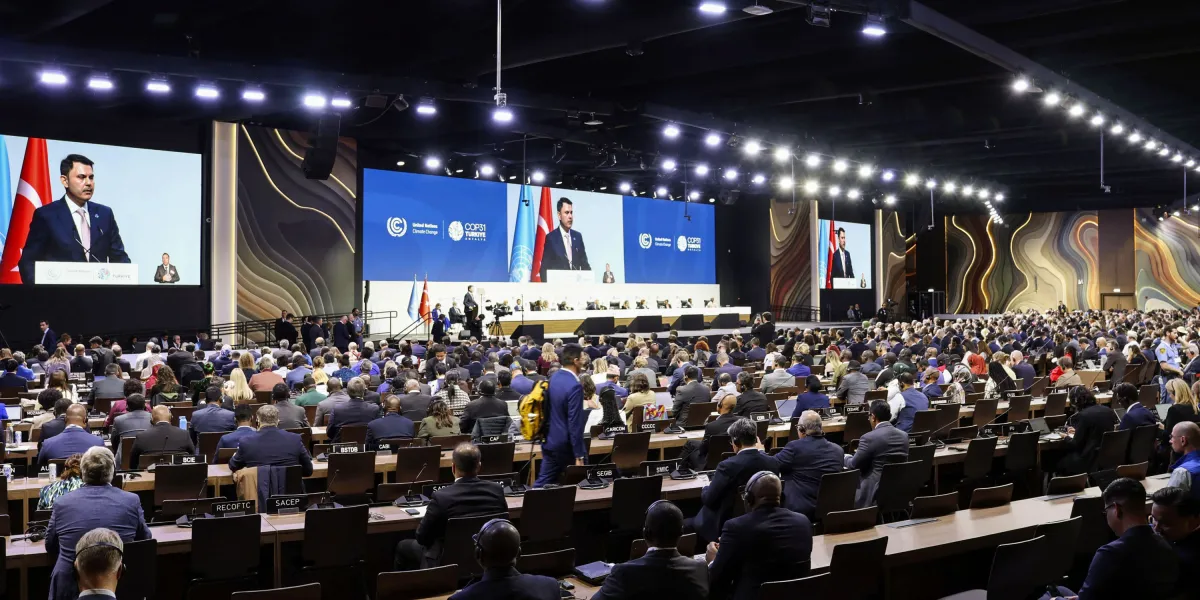
Thousands of international delegates and industry observers gather in Antalya as Turkey and Australia co-host the annual United Nations climate summit.
EXECUTIVE BRIEF // KEY TAKEAWAYS
Thousands of international delegates and industry observers gather in Antalya as Turkey and Australia co-host the annual United Nations climate summit.
ANTALYA, Turkey — Thousands of diplomatic delegates, industry lobbyists, and international journalists have convened in Antalya, Turkey, for the opening of the 31st United Nations Climate Change Conference, widely known as COP31. According to reporting from MIT Technology Review, the annual summit officially commenced on Nov. 8, initiating a critical cycle of multilateral negotiations on one of the most prominent stages in global climate governance. This year's diplomatic proceedings are being jointly managed under a co-hosting arrangement between Turkey and Australia, bringing together diverse regional stakeholders to deliberate on international climate policy, industrial transition frameworks, and environmental accountability.
For global enterprises, technology providers, and institutional capital markets, the annual United Nations climate talks serve as a primary barometer for regulatory direction and cross-border capital allocation. Decisions negotiated within the COP framework directly influence sovereign emissions commitments, carbon pricing architectures, and the pace of public-private investment into energy infrastructure, grid modernization, and computational sustainability systems. As multinational corporations increasingly align their long-term operational roadmaps with international decarbonization standards, the policy signals emerging from Antalya carry substantial weight for corporate governance and technological deployment across both developed and emerging economies.
Co-Hosting Dynamics and Multilateral Structure
The structural configuration of COP31 is defined by its bilateral leadership model. As detailed by MIT Technology Review, Turkey and Australia are serving as co-hosts for the Antalya summit, a diplomatic arrangement that bridges the Mediterranean and Asia-Pacific regions. The convening of the conference on Nov. 8 established the formal procedural timeline for high-level ministerial dialogues, technical working groups, and observer interventions.
The presence of thousands of accredited participants—spanning national negotiating teams, corporate advocacy groups, and international media organizations—underscores the complexity of contemporary climate diplomacy. Within the negotiation halls of Antalya, state actors are tasked with navigating competing national economic priorities while maintaining momentum on collective multilateral agreements established under the United Nations Framework Convention on Climate Change. The convergence of public-sector policymakers and private-sector lobbyists highlights the dual nature of the modern summit, which functions simultaneously as a diplomatic treaty forum and a global clearinghouse for industrial and technological strategy.
Operational and Economic Implications for Global Industry
While the opening days of the conference focus on establishing procedural agendas and baseline negotiating positions, the broader economic implications extend across multiple industrial sectors. Technology developers, energy producers, and institutional investors closely monitor the annual UN talks for clarity on international compliance mechanisms, cross-border climate finance pledges, and standardized reporting rules.
The strong representation of industry lobbyists alongside government delegates in Antalya reflects the deep integration between regulatory policy and commercial execution. For technology and infrastructure sectors, international climate negotiations dictate the economic viability of large-scale capital projects, ranging from renewable energy generation and grid storage to data-driven environmental monitoring and industrial efficiency platforms. Furthermore, the collaborative presidency shared by Turkey and Australia introduces unique geopolitical and trade perspectives into the agenda, as both nations occupy pivotal positions in global energy supply chains, resource exports, and regional transition financing.
Strategic Outlook and Negotiation Milestones
As the COP31 negotiations progress following the Nov. 8 opening ceremony, analytical attention will center on how effectively the co-hosting presidency of Turkey and Australia can bridge divergent national mandates into actionable consensus. Diplomats and market observers alike will evaluate whether the discussions in Antalya yield concrete administrative frameworks or remain focused on procedural deliberations.
In the weeks ahead, the outcomes of these talks will inform sovereign policy adjustments, corporate sustainability mandates, and international regulatory alignments heading into the next fiscal cycle. For enterprise leaders and policy analysts tracking the trajectory of global climate governance, the proceedings in Antalya represent a decisive test of multilateral coordination and cross-regional diplomacy.