 Energy
Virtual Power Plants Offer Hedge Against Overbuilt Grid
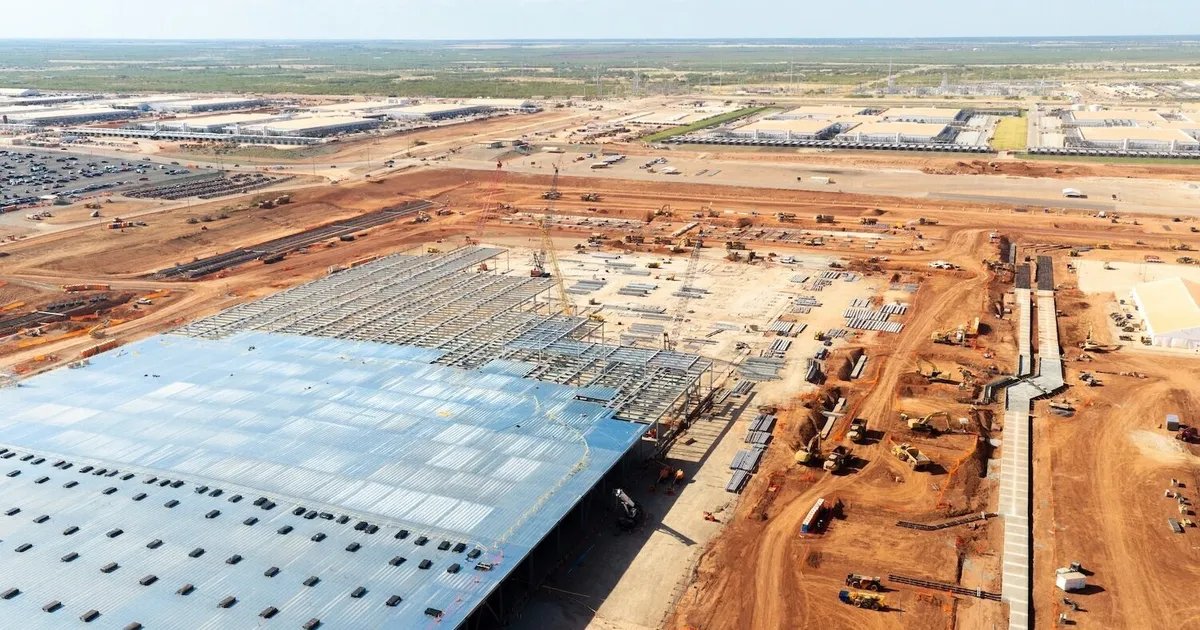
Scaling distributed energy resources can prevent billions in unnecessary grid infrastructure if artificial intelligence load growth slows.
Fiona Gallagher•
1 viewsCurated dispatches, wire reports, and investigative intelligence tagged under Economics.
EnergyScaling distributed energy resources can prevent billions in unnecessary grid infrastructure if artificial intelligence load growth slows.
 Business
Examining long-term financial integration in marriage and why contemporary couples increasingly choose separate accounts.
 Energy
An Illinois workforce initiative is deploying clean energy statutory funding to train formerly incarcerated citizens for solar installation careers.
 Business
Strategist Michael Darda argues that tightening monetary policy and cooling nominal growth remain vital for long-term macroeconomic and bond market stability.
 Future of Work
Take-Two's record $3.79 billion debut highlights unmatched cultural reach, even as rising development budgets and mobile growth threaten the blockbuster era.
 Business
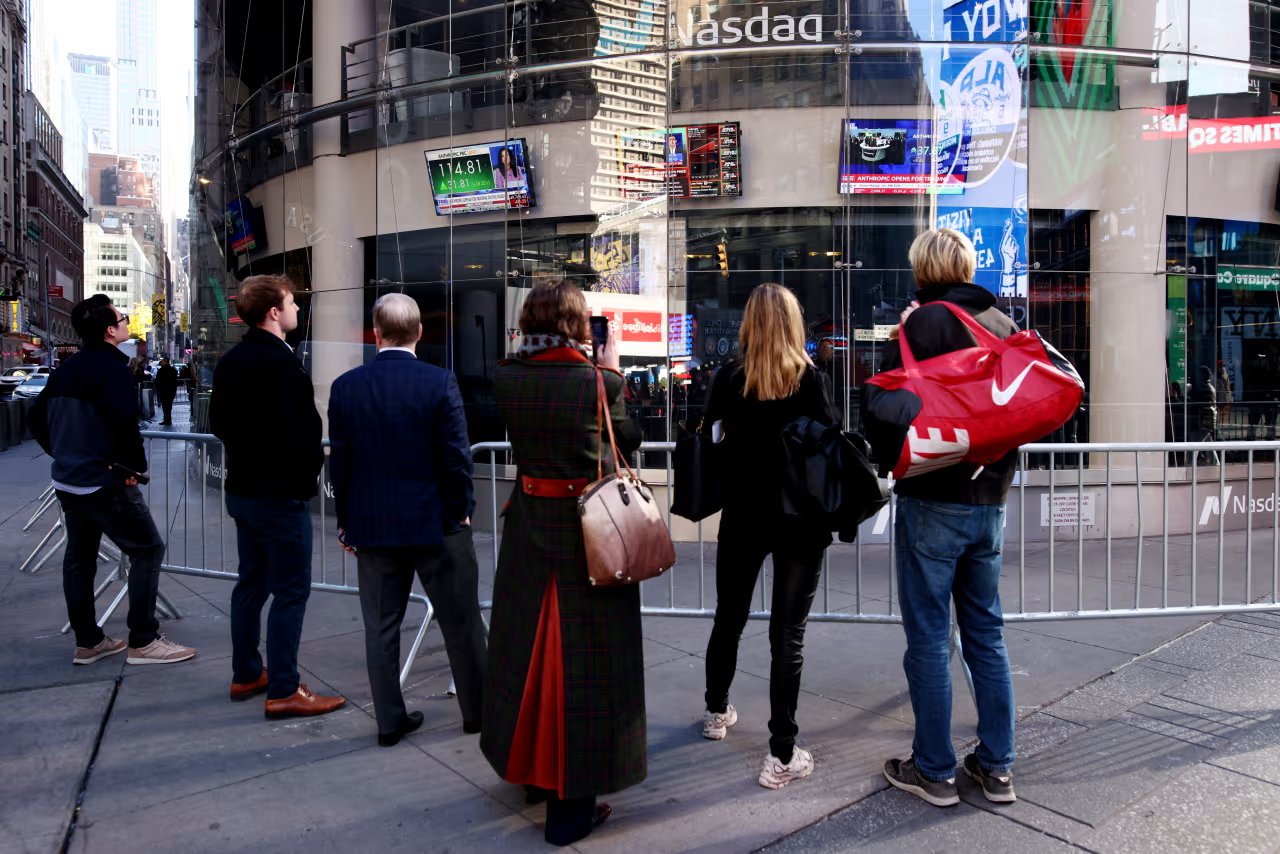
Buoyed by resilient consumer demand and post-election stability, the U.S. economy is pacing toward 3% growth in late 2026, according to S&P Global surveys.
 Business
A viral Saturday Night Live sketch highlighting female caregiving has magnified the growing macroeconomic strains of elder care and unpaid domestic labor.
 Business
With home sales hitting record lows and mortgage rates hovering near 7%, persistent buyers are forcing sellers into price cuts and aggressive concessions.
 Business
A six-session slide in the S&P 500 marked its worst run since 2025, but historical market patterns indicate seller exhaustion often precedes a rebound.
 Business
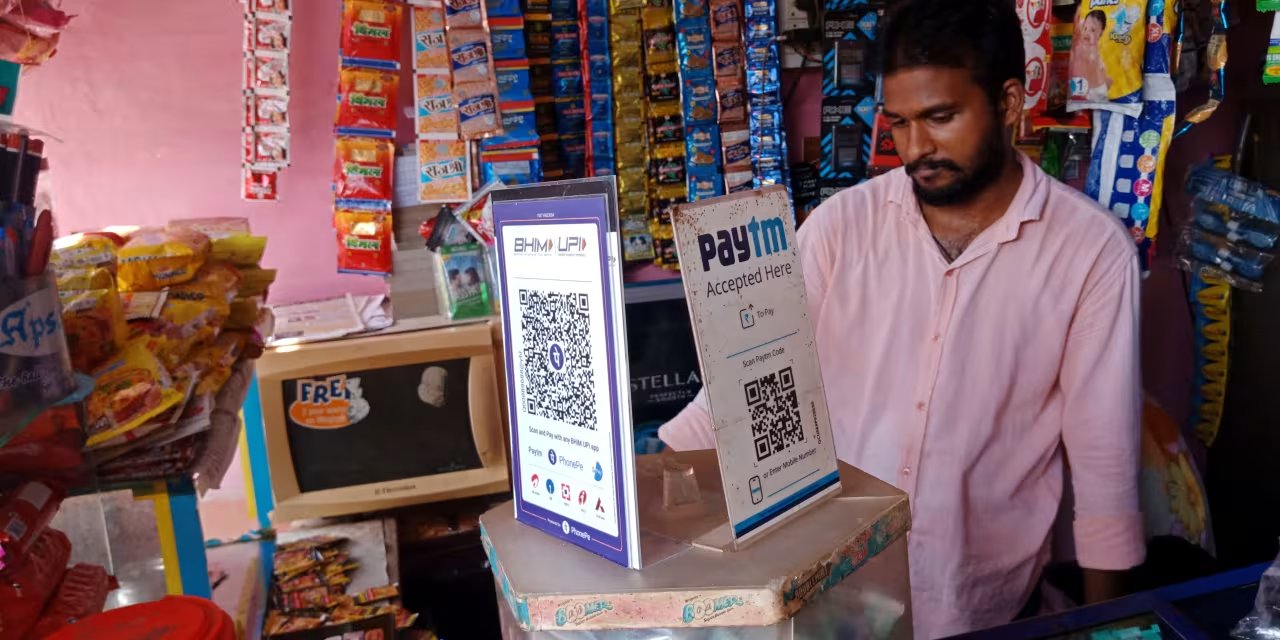
India’s tech-savvy population and developing sectors position the nation for rapid AI productivity gains, according to MarketWatch.
 Artificial Intelligence
As artificial intelligence permeates search engines, robotics, and daily commerce, mounting capital costs and ad trade-offs challenge Big Tech balance sheets.
 Future of Work
Providing 35 hours of weekly childcare in New York City could generate $6.5 billion annually, exceeding municipal costs and easing labor market constraints.