Chicago Clean Energy Program Bridges Reentry and Solar Jobs
An Illinois workforce initiative is deploying clean energy statutory funding to train formerly incarcerated citizens for solar installation careers.
EXECUTIVE BRIEF // KEY TAKEAWAYS
An Illinois workforce initiative is deploying clean energy statutory funding to train formerly incarcerated citizens for solar installation careers.
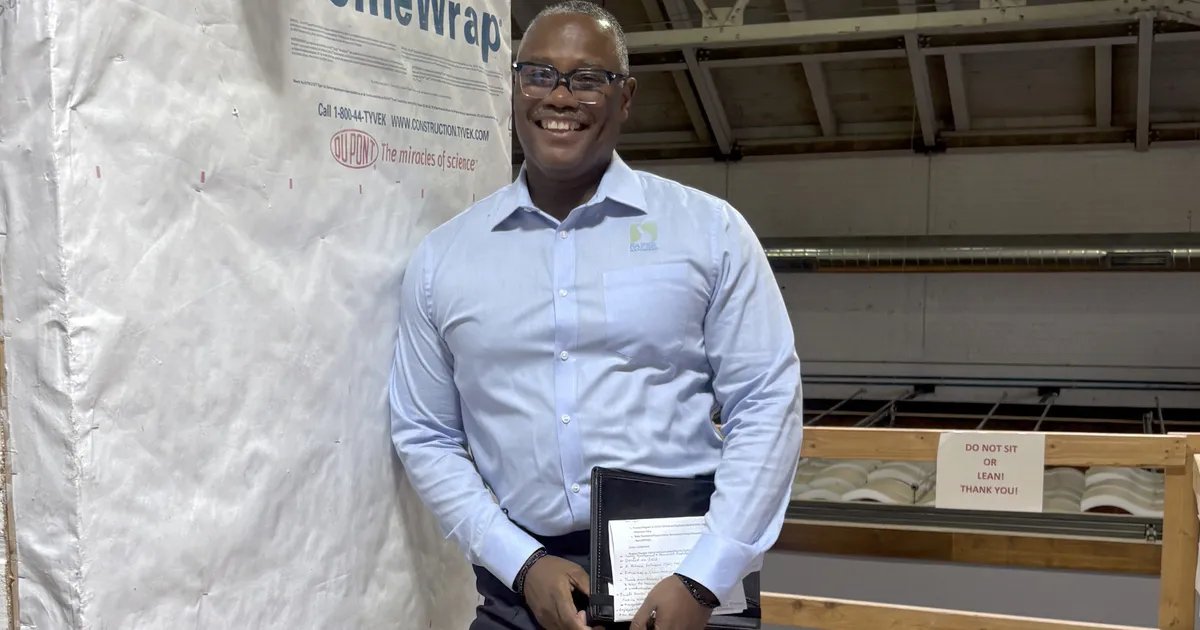
CHICAGO — Inside a former Sears Roebuck industrial complex on Chicago’s West Side, an adult transitional center housing 250 men preparing to reenter civilian life is serving as an active proving ground for the clean energy economy. Within a high-ceilinged former gymnasium steps away from residential quarters, trainees work on a full-scale, two-story mock home fitted with exposed insulation and electrical fixtures, mastering the technical skills required to install photovoltaic systems across Illinois.
The initiative, spearheaded by the social services nonprofit Safer Foundation and reported by Canary Media, illustrates how legislative equity mandates can intersect directly with commercial labor demands. As utility-scale and distributed solar developers confront skilled trade bottlenecks nationwide, the program demonstrates an institutional mechanism to absorb historically marginalized workers into technical careers while reducing barriers associated with criminal justice involvement.
Policy Framework and Institutional Roots
The vocational curriculum is funded under the umbrella of Illinois’ 2017 and 2021 clean energy statutes, legislative measures designed to inject economic equity into the state’s broader energy transition. These statutory frameworks prioritize job training investments for populations from underserved and economically disadvantaged backgrounds, placing dedicated emphasis on formerly incarcerated individuals seeking viable pathways to financial independence.
The Safer Foundation, which has delivered vocational training and employment placement to individuals with criminal records since 1972, operates the West Side facility as a holistic reentry ecosystem. Recognizing that technical instruction alone rarely guarantees job retention, the organization pairs solar training with comprehensive wraparound support, including remedial education, transportation aid, childcare assistance, mental health counseling, anger management, and substance abuse recovery services that often align with court-ordered mandates.
“The types of individuals we serve encounter a little more trouble with barriers, but we have staff fully certified and trained to help push to get these clients employed,” said Katrice Harris, training and employment account executive at the Safer Foundation. “They get workplace and diversity skills training, financial literacy, soft skills.”
Corporate Partnerships and Employment Metrics
Operational data from the program underscores a viable pipeline connecting institutional training directly to active industry payrolls. Over the past three years, more than 100 participants have secured clean energy industry certifications through the Safer Foundation’s program, with 79 graduates successfully entering paid employment within the sector.
To overcome systemic employer hesitation toward applicants with criminal histories or extended resume gaps, the foundation’s job development personnel negotiate formal memorandums of understanding with private contractors. Key corporate partners include residential solar installer SunRun and utility-scale contractor Millennium Solar Electric, both of which have agreed to recruit program participants.
Mark Yates, president and chief executive officer of the Safer Foundation, noted that many participants enter the program having spent years isolated from technological shifts, requiring introductory digital literacy before tackling renewable energy hardware.
“They’ve been incarcerated beyond technology advances,” Yates said, observing that trainees must frequently learn basic smartphone operations alongside rooftop electrical systems. “They feel this is their one and only chance to get something right.”
Strategic Implications for the Clean Energy Labor Pipeline
As state and federal decarbonization targets drive unprecedented capital deployment toward solar infrastructure, developer balance sheets are increasingly exposed to domestic labor constraints. Entry-level solar installation roles offer crucial exposure to carpentry, structural staging, and high-voltage electrical fundamentals—proficiencies that translate across broader commercial construction and energy modernization trades.
The Safer Foundation’s experience demonstrates that closing the renewable workforce deficit requires coordinated corporate alignment and dedicated social infrastructure to de-risk candidate placement. By establishing enforceable hiring agreements and mitigating court-related compliance friction through integrated support, statutory clean energy funds can systematically expand the industrial labor pool while delivering measurable economic rehabilitation.


