Subaru Trailseeker EV Sales Gain Traction via Pet-Focused Marketing
Subaru posts respectable year-to-date electric vehicle sales with its new Trailseeker SUV by anchoring its brand strategy around pet-owning households.
EXECUTIVE BRIEF // KEY TAKEAWAYS
Subaru posts respectable year-to-date electric vehicle sales with its new Trailseeker SUV by anchoring its brand strategy around pet-owning households.
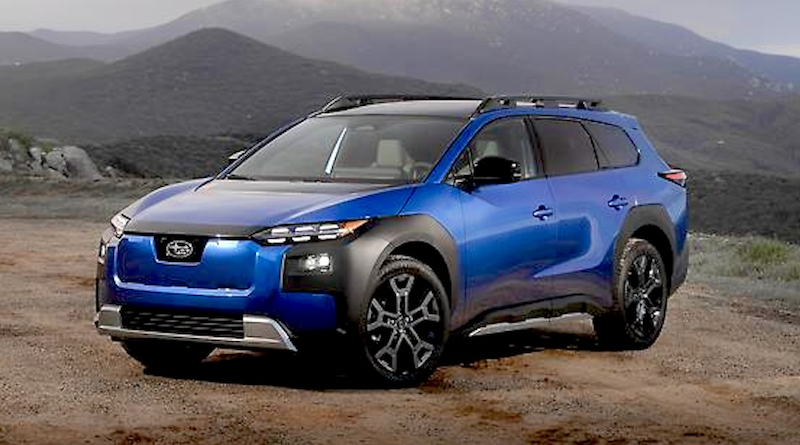
Subaru has established a respectable electric vehicle sales record so far this year following the rollout of its new Trailseeker SUV, according to reporting from CleanTechnica. Central to the automaker's commercial momentum is a targeted marketing strategy that places household pets at the forefront of its promotional campaigns, aligning the battery-electric sport utility vehicle with the lifestyle priorities of animal-owning consumers.
For the broader automotive and clean energy sectors, Subaru's performance with the Trailseeker illustrates how legacy manufacturers can carve out defensible market share in an increasingly crowded electric vehicle landscape. Rather than competing solely on raw battery specifications, charging curves, or aggressive price cuts, leveraging deeply entrenched brand identity and demographic loyalty offers a viable pathway to sustained consumer adoption as the industry transitions away from internal combustion engines.
Demographic Alignment and Brand Continuity
As electric vehicle adoption moves beyond early technology adopters into the mainstream retail market, automakers face mounting pressure to differentiate their zero-emission lineups. CleanTechnica notes that Subaru's overall marketing campaign for the Trailseeker SUV prominently features household pets, a creative direction that directly taps into the automaker's long-standing demographic base of outdoor-oriented, pet-friendly households.
By maintaining continuity between its traditional customer base and its expanding electric portfolio, Subaru reduces the friction often associated with transitioning loyal buyers to battery-electric powertrains. Marketing a new electric SUV around familiar household utility—such as accommodating companion animals—shifts the consumer conversation from range anxiety and charging infrastructure to practical, everyday lifestyle compatibility.
Subaru has racked up a fairly respectable EV sales record so far this year for its new Trailseeker SUV, with household pets playing a featured role in its overall marketing campaign, CleanTechnica reported.
Commercial Execution in a Competitive EV Market
The sport utility vehicle segment remains one of the most fiercely contested arenas in the global transition to electrified transport. Manufacturers across North America, Europe, and Asia have introduced dozens of electric crossovers and SUVs, resulting in heightened competition for showroom traffic and consumer financing. Against this backdrop, achieving a solid year-to-date sales trajectory with a newly introduced nameplate like the Trailseeker signals effective alignment between product positioning and buyer demand.
Lifestyle-driven marketing also carries distinct economic advantages for automotive OEMs and their dealer networks. Campaigns that resonate emotionally with a well-defined consumer niche—such as pet owners seeking durable, versatile utility vehicles—can lower customer acquisition costs and reduce reliance on margin-eroding manufacturer incentives or subsidized lease rates. When buyers perceive a vehicle as tailored to their specific household needs, brand retention strengthens even as underlying propulsion technologies undergo a generational shift.
Furthermore, utility-focused electric vehicles play an outsized role in decarbonizing passenger transport. Because SUVs account for a substantial portion of light-duty vehicle sales, converting prospective buyers in this category from gasoline models to battery-electric alternatives like the Trailseeker yields meaningful reductions in tailpipe emissions over the lifecycle of the fleet.
Strategic Outlook for Niche EV Positioning
Looking ahead, the commercial trajectory of the Subaru Trailseeker will serve as a closely watched indicator of how effectively lifestyle-focused automakers can scale their electric vehicle operations. Sustaining year-to-date sales momentum through the remainder of the calendar year will require consistent supply chain execution, dealer readiness, and continued resonance of its consumer-facing campaigns.
Across the broader clean technology sector, Subaru's approach underscores a maturing phase in electric mobility marketing. As battery technology standardizes across segments, the ability to translate established brand equity—such as pet-friendly utility—into electric vehicle showroom traffic will likely remain a decisive factor separating resilient automakers from competitors struggling to capture mainstream buyers.