Scott Wiener Takes AI Regulation Agenda and Grid Strains to Congress
Following his election to succeed Nancy Pelosi, California legislator Scott Wiener brings state-level AI oversight and data center power scrutiny to Washington.
EXECUTIVE BRIEF // KEY TAKEAWAYS
Following his election to succeed Nancy Pelosi, California legislator Scott Wiener brings state-level AI oversight and data center power scrutiny to Washington.
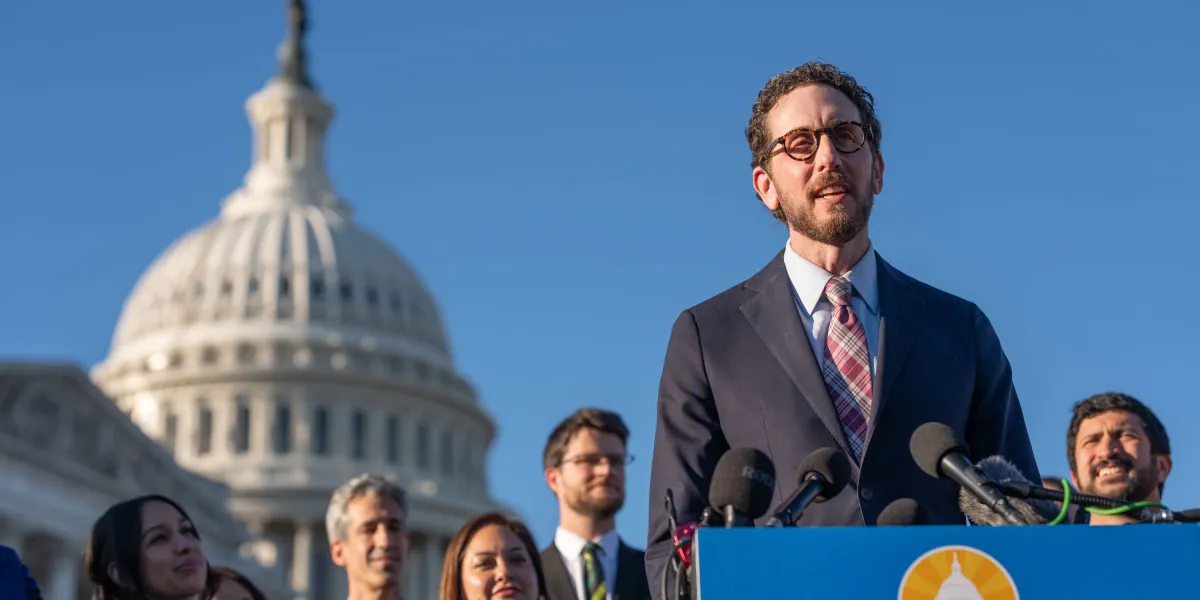
Former California State Senator Scott Wiener is preparing to advance federal artificial intelligence oversight after winning the congressional seat previously held by Representative Nancy Pelosi, according to a report by MIT Technology Review. As annotated in the publication's weekday briefing, The Download, and reported by correspondent Grace Huckins, Wiener's transition from the California Legislature to the United States House of Representatives coincides with escalating operational friction across the domestic data center sector, where facility operators are confronting acute electrical power constraints and localized community backlash.
The convergence of legislative transition in San Francisco and physical infrastructure bottlenecks nationwide underscores a pivotal shift for the technology industry. For enterprise software developers, hyperscale cloud providers, and institutional investors, the dual pressures of federalized safety mandates and grid capacity shortages present complex compliance and capital expenditure challenges. As generative artificial intelligence models demand unprecedented computational density, the regulatory framework governing model deployment and the physical energy required to sustain data center clusters have become inextricably linked in policy discussions.
From Sacramento Statehouse to Federal Oversight
During his tenure as a California state senator representing San Francisco, Wiener established a prominent legislative profile by authoring statutory measures designed to mitigate the systemic risks associated with advanced artificial intelligence models. Representing the jurisdiction that encompasses Silicon Valley's primary frontier model laboratories, Wiener's state-level legislative initiatives sought to institute mandatory safety testing protocols, algorithmic transparency standards, and statutory liability frameworks for developers of large-scale foundation models.
Following his victory to succeed Pelosi in Congress, Wiener is positioned to elevate those regulatory priorities from Sacramento to the federal legislative arena. According to MIT Technology Review's coverage by Grace Huckins, Wiener's arrival in Washington signals a concerted effort to revive and formalize federal guardrails for frontier technology. Industry analysts note that while state-level rules in California often serve as de facto national standards due to the concentration of venture capital and engineering talent in the Bay Area, federal legislation carries the authority to standardize compliance across interstate commerce and establish uniform oversight mechanisms for federal agencies.
Data Center Power Constraints and Infrastructure Backlash
Alongside shifting legislative dynamics on Capitol Hill, the physical infrastructure underpinning the artificial intelligence expansion is encountering severe electrical power woes. MIT Technology Review highlights that data center developers and cloud computing operators are facing mounting obstacles in securing reliable, high-capacity utility connections required to power next-generation server architectures.
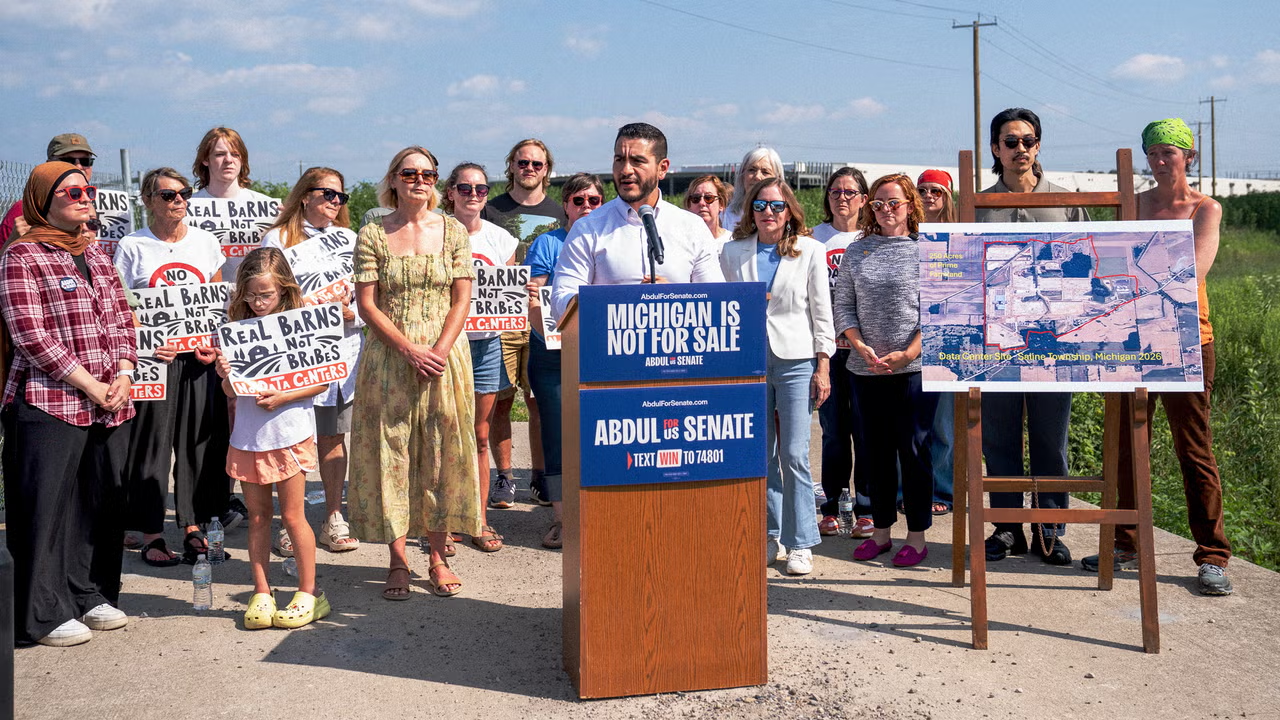
The rapid proliferation of high-density computing clusters has strained regional transmission grids, forcing utility providers to reassess load growth projections and extend interconnection timelines. Furthermore, the expansion of massive data center campuses has triggered organized backlash from local municipalities, environmental advocates, and residential ratepayers. Communities situated near major fiber and power corridors have raised formal objections regarding land use, water consumption for thermal cooling systems, noise pollution, and the potential for industrial energy demand to drive up residential electricity tariffs or delay the retirement of fossil-fuel generation assets.
Strategic Outlook for Enterprise Technology and Policy
Looking ahead, the intersection of congressional AI governance and utility grid limitations will define the operational landscape for technology enterprises entering the new legislative session. In Washington, Wiener will navigate a divided regulatory environment where lawmakers must balance national competitiveness in artificial intelligence against calls for statutory risk mitigation and consumer protection. Any federal framework introduced in the House of Representatives will face rigorous scrutiny from both industry trade associations advocating for streamlined innovation and civil society organizations demanding binding safety audits.
Simultaneously, capital allocation within the cloud infrastructure sector will increasingly depend on energy procurement strategies and community relations. Technology companies planning multi-billion-dollar data center deployments must account for protracted zoning approvals, stricter environmental review processes, and grid modernization bottlenecks. How federal policymakers address both algorithmic accountability and national energy infrastructure capacity will ultimately determine the pace and geographic distribution of artificial intelligence development across the United States.