Renters Turn to $300 Frameless Sofas Ahead of Black Friday Sales
Budget-conscious renters are driving demand for $300 frameless foam couches as retailers prepare promotional discounts for the Black Friday shopping window.
EXECUTIVE BRIEF // KEY TAKEAWAYS
Budget-conscious renters are driving demand for $300 frameless foam couches as retailers prepare promotional discounts for the Black Friday shopping window.
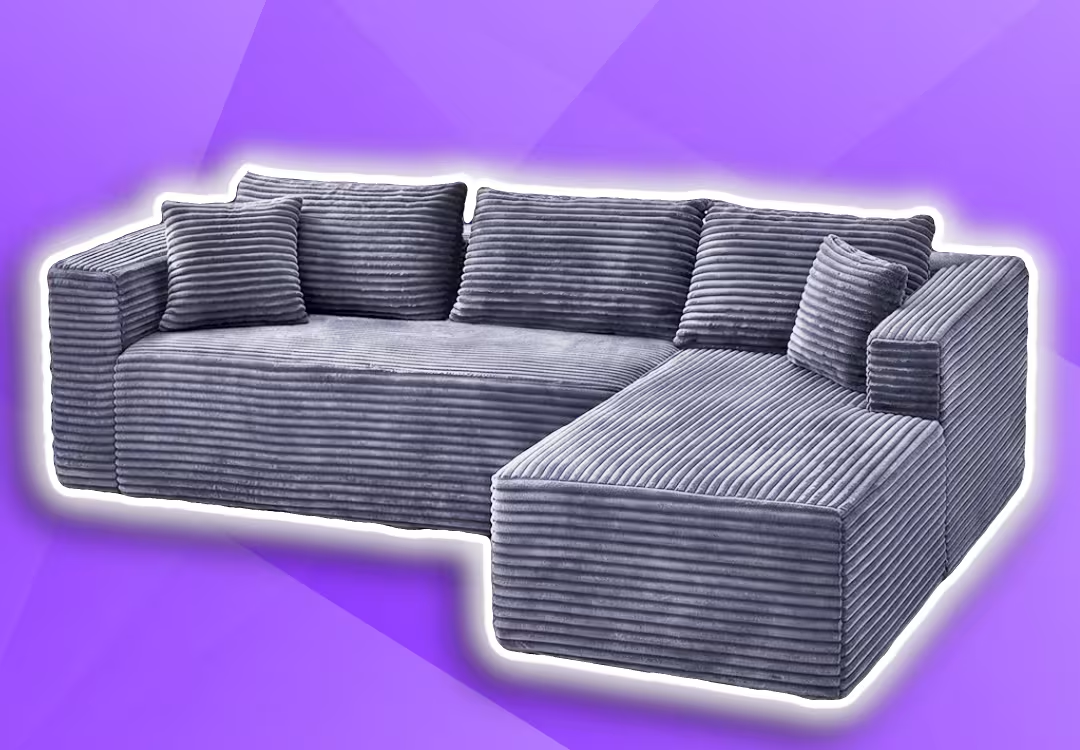
Urban renters and budget-conscious consumers are increasingly purchasing $300 frameless sofas—colloquially known across retail channels as "boneless couches"—as seasonal Black Friday promotions approach, according to consumer retail coverage from MarketWatch. Built entirely from compressed high-density foam rather than traditional wooden or steel frames, these modular seating units arrive vacuum-sealed in compact shipping boxes and expand upon unpacking. The surge in interest highlights a broader shift in residential furniture consumption, where portability, low upfront cost, and delivery convenience outweigh traditional multi-decade durability for transient households.
For the broader home furnishings sector and e-commerce logistics providers, the popularity of sub-$300 compressed seating underscores how housing affordability pressures and elevated moving costs are reshaping discretionary retail. As younger demographics rent for longer periods and relocate frequently between multi-story apartment buildings with narrow stairwells, bulky framed couches represent both a financial burden and a logistical liability. Direct-to-consumer furniture manufacturers and online marketplaces have capitalized on this friction by engineering lightweight, frame-free alternatives that bypass white-glove freight networks entirely.
The Rise of Compressed Modular Seating
The category known to consumers as the "boneless couch" applies the logistics model pioneered by the bed-in-a-box mattress industry directly to living room upholstery. By eliminating rigid timber frames, metal springs, and heavy hardware, manufacturers can compress full-sized sectionals and loveseats into cylindrical or rectangular parcels suitable for standard parcel carriers. Once unsealed inside an apartment, the polyurethane foam cores decompress over several hours to form a low-profile, lounge-style seating arrangement.
According to MarketWatch, the $300 price point serves as a critical psychological threshold for renters who view apartment furnishings as semi-disposable or transitional assets. Traditional upholstered sofas routinely retail between $1,000 and $3,000 and often incur additional delivery fees of $100 to $250. By contrast, a $300 frameless sofa eliminates both assembly complexity and freight surcharges, making it an accessible option for first-time renters, college students, and households furnishing secondary living spaces.
Economic Drivers and Black Friday Retail Dynamics
The timing of consumer interest is closely tied to fourth-quarter promotional calendars. MarketWatch notes that the Black Friday shopping period represents a prime window for buyers seeking deeper markdowns on entry-level home goods. During November promotional cycles, online marketplaces and value-tier home retailers aggressively discount high-turnover inventory to capture holiday spending and clear warehouse capacity before year-end.
From a supply chain perspective, frameless foam furniture offers substantial unit-economics advantages for digital retailers. Standard parcel shipping reduces warehouse cubic footage requirements by more than 60 percent compared to rigid assembled furniture, while dramatically lowering damage return rates caused by transit impacts. For renters facing tight household budgets amid persistent shelter inflation, combining an already low $300 baseline price with Black Friday promotional discounts lowers the barrier to entry even further.
Outlook for Value-Tier Home Furnishings
Looking ahead, retail analysts expect compressed, frame-free furniture to remain a durable growth segment within the value home goods market as long as residential mobility and rental occupancy rates stay elevated. While foam-only seating lacks the structural rigidity and ergonomic support of kiln-dried hardwood frames over a ten-year lifecycle, its alignment with short-term lease cycles addresses an immediate practical need in urban housing markets.
As Black Friday discounting intensifies across major e-commerce platforms, competition among imported foam-furniture brands is projected to compress retail margins further while expanding product variations, including washable slipcovers and modular corduroy configurations. Traditional brick-and-mortar furniture chains may face continued pressure on their entry-level product lines as cost-conscious renters increasingly opt for shippable, sub-$300 alternatives delivered straight to their doorsteps.