MIT Technology Review Examines Mind Preservation and Open AI Risks
MIT Technology Review assesses emerging concepts for cognitive continuity alongside the evolving governance challenges of open-weight artificial intelligence.
EXECUTIVE BRIEF // KEY TAKEAWAYS
MIT Technology Review assesses emerging concepts for cognitive continuity alongside the evolving governance challenges of open-weight artificial intelligence.
MIT Technology Review highlighted the dual trajectories of cognitive preservation research and open-source artificial intelligence risk evaluation in its weekday briefing, The Download, framing how frontier computing and neurotechnology continue to challenge established scientific and governance boundaries. The publication examined six speculative proposals aimed at perpetuating human consciousness and memory across biological aging, alongside a broader analytical reckoning over the security tradeoffs inherent in openly accessible machine learning architectures.
For global technology leaders, enterprise risk officers, and research institutions, the simultaneous focus on long-term cognitive continuity and immediate open-model governance underscores the expanding scope of contemporary computational ethics. As artificial intelligence systems become increasingly capable of modeling complex biological and cognitive processes, capital markets and regulatory bodies face mounting pressure to distinguish between speculative long-horizon biotechnology and urgent, actionable software deployment risks.
Cognitive Continuity and the Challenge of Biological Memory
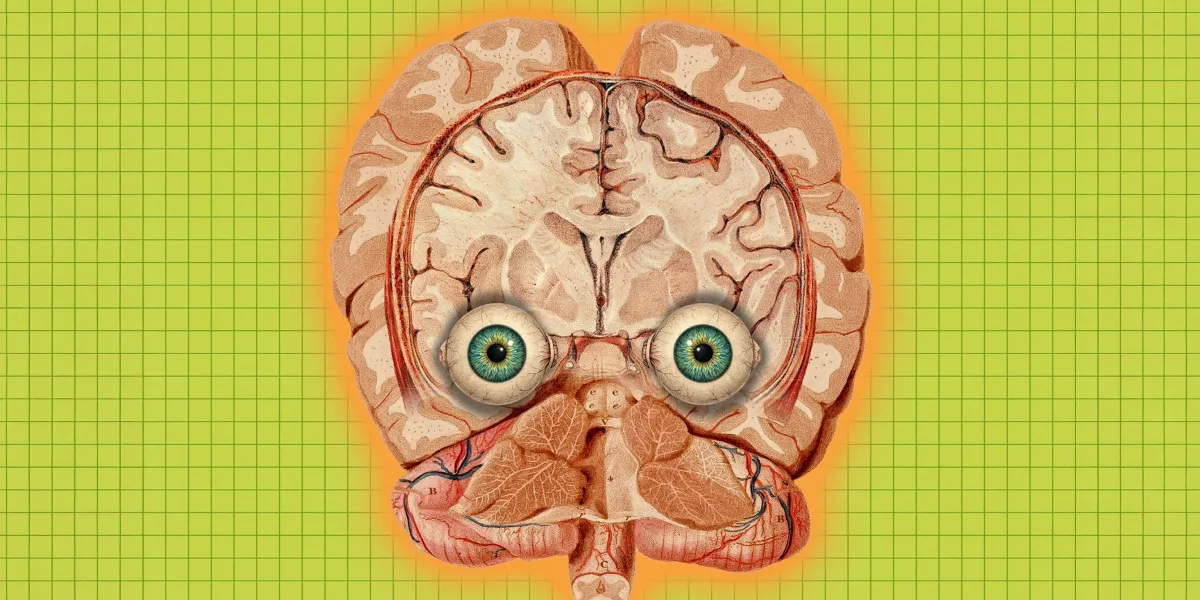
In its assessment of mind preservation, MIT Technology Review noted a fundamental paradox of human neurology: as individuals age across decades—from 30 to 50 to 70 years old—they inevitably forget the vast majority of their specific lived experiences, yet maintain an undeniable sense of personal continuity and identity. The briefing explored six distinct conceptual frameworks designed to perpetuate the human mind and preserve psychological continuity beyond natural biological degradation.
While digital data storage operates on deterministic retention of exact binary states, biological memory relies on dynamic, reconstructive neural pathways that shift over time without eroding core identity. Addressing this gap requires researchers across computational neuroscience, biotechnology, and artificial intelligence to rethink how cognitive states are defined, recorded, and potentially emulated. Rather than treating memory preservation as a simple data archival task, the concepts surveyed by MIT Technology Review highlight the tension between preserving static episodic records and maintaining the continuous, adaptive processes that constitute human awareness.
Weighing the Risk Calculus of Open Artificial Intelligence
Alongside speculative neurotechnology, the MIT Technology Review briefing addressed the pressing policy and operational debate surrounding open artificial intelligence risks. In the enterprise technology sector, the proliferation of open-weight and open-source foundation models has sparked intense scrutiny from cybersecurity researchers, policymakers, and commercial developers regarding how to balance scientific transparency against potential misuse.
Unlike proprietary models gated behind commercial application programming interfaces, openly distributed AI weights allow external auditors, academic institutions, and enterprise engineering teams to inspect model behavior, fine-tune parameters on local infrastructure, and eliminate third-party data exposure. However, once model weights are released publicly, downstream safety guardrails can be modified or removed, complicating traditional software vulnerability management and regulatory compliance frameworks. Weighing these open AI risks requires quantifiable evaluation methodologies that compare marginal risk increases against the economic and scientific benefits of decentralized innovation.
Strategic Outlook for Technology Governance and Research
Looking ahead, the intersection of cognitive science and advanced machine learning will continue to test both technical feasibility and regulatory readiness. For enterprise technology strategists and institutional researchers, the immediate priority remains establishing rigorous, evidence-based risk assessments for open AI deployments—focusing on verifiable security benchmarks, provenance tracking, and deployment auditing rather than speculative scenarios.
Simultaneously, as long-term research into neural interfaces, cognitive modeling, and mind preservation progresses from theoretical inquiry toward experimental validation, ethics boards and legal frameworks will need to address foundational questions regarding data ownership, neurological privacy, and the definition of personal continuity in an increasingly digitized era.