BYD October Commercial EV Sales Surge 68% Amid Transit Demand
BYD recorded a 68% year-over-year surge in October commercial electric vehicle deliveries, driven by a 62.1% expansion in zero-emission bus deployments.
EXECUTIVE BRIEF // KEY TAKEAWAYS
BYD recorded a 68% year-over-year surge in October commercial electric vehicle deliveries, driven by a 62.1% expansion in zero-emission bus deployments.
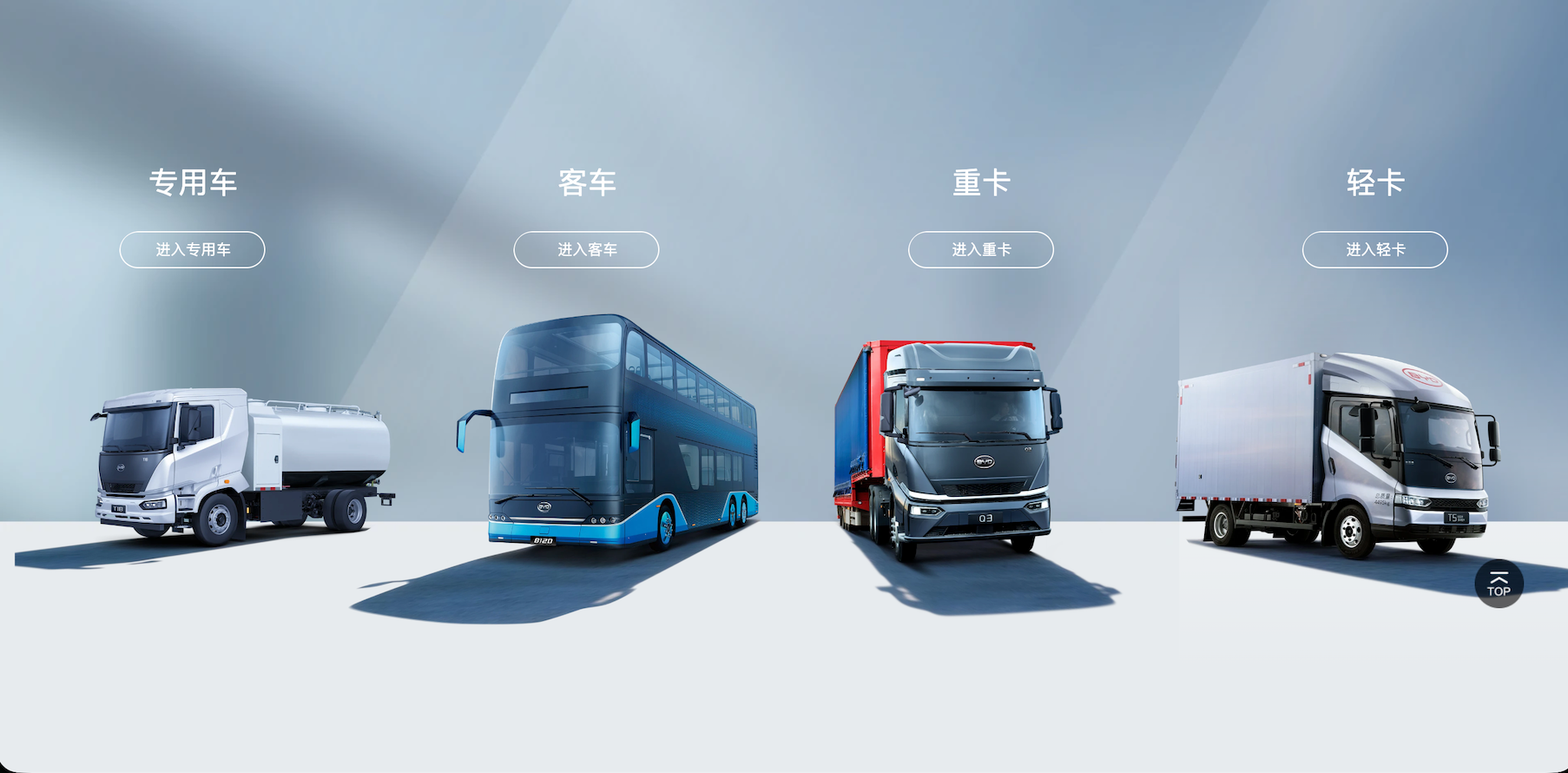
BYD reported a 68 percent year-over-year increase in overall commercial vehicle sales during October 2026, underscoring a sustained acceleration in the electrification of heavy-duty transport and municipal transit networks, according to monthly delivery figures analyzed by CleanTechnica. The Chinese automaker’s commercial fleet division, which produces exclusively battery-electric models, achieved significant volume growth across its core segments, led by a 62.1 percent annual rise in electric bus deliveries.
The expansion of BYD’s commercial vehicle footprint carries substantial implications for global industrial decarbonization and municipal fleet procurement strategies. While passenger electric vehicles frequently dominate market headlines and consumer adoption curves, the transition of commercial fleets—comprising public transit buses, logistics vans, and heavy-duty vocational trucks—represents a critical lever for reducing urban emissions and stabilizing commercial battery supply chains. For fleet operators and capital markets, consistent double-digit percentage gains in commercial electric vehicle deliveries indicate that total cost of ownership metrics and charging infrastructure readiness are increasingly aligning with institutional procurement requirements.
Transit Bus Deliveries Anchor Monthly Growth
According to the monthly sales breakdown published by CleanTechnica, BYD’s electric bus segment served as a primary catalyst for the company’s October performance. Unit deliveries in the bus category rose to 600 vehicles in October 2026, up from 367 units recorded during the same month in 2025. This 62.1 percent year-over-year expansion reflects ongoing municipal investments in zero-emission public transportation systems across domestic and international markets.
Unlike the passenger vehicle sector, where monthly sales volumes are heavily influenced by seasonal retail promotions and shifting consumer sentiment, commercial bus deliveries typically follow multi-year municipal tendering cycles and structured fleet replacement schedules. Achieving 600 bus deliveries within a single monthly reporting period demonstrates steady execution against institutional order backlogs. Furthermore, because every vehicle within BYD’s commercial portfolio operates on a fully electric powertrain, each incremental unit delivered directly displaces diesel-powered equivalents in high-utilization urban corridors.
Operational Scale and Industrial Impact
The broader 68 percent surge in total commercial vehicle sales highlights the growing contribution of non-bus electric commercial platforms, such as urban delivery trucks, sanitation vehicles, and specialized logistics haulers. CleanTechnica noted that the commercial vehicle report complements BYD’s wider passenger vehicle disclosures, illustrating how the manufacturer leverages vertically integrated battery production and electric drivetrain architecture across vastly different vehicle weight classes.
From an operational standpoint, scaling commercial electric vehicle manufacturing requires specialized engineering capabilities distinct from consumer automotive production. Commercial transit buses and vocational trucks demand high-capacity battery packs capable of enduring intensive daily duty cycles, rapid depot charging protocols, and prolonged thermal stability. By expanding October commercial volumes at a 68 percent annual clip—outpacing the already robust 62.1 percent growth rate of its bus division—BYD is demonstrating increased market penetration across diversified commercial vehicle categories.
This manufacturing versatility allows the company to optimize battery cell allocation across its factory network, balancing high-volume passenger car assembly with higher-margin, large-format commercial installations. For supply chain partners and battery raw material producers, rising commercial vehicle deliveries provide a predictable baseline of demand for lithium iron phosphate battery chemistry, which remains the preferred energy storage medium for heavy-duty transit applications due to its cycle life and thermal safety profile.
Strategic Outlook for Fleet Electrification
Looking ahead, the trajectory of commercial electric vehicle adoption will depend on the continued alignment of municipal regulatory mandates, grid capacity upgrades, and fleet financing mechanisms. As cities worldwide enforce stricter tailpipe emission standards and low-emission zones, transit agencies and logistics enterprises face mounting pressure to accelerate the retirement of internal combustion fleets.
However, sustaining a 68 percent growth rate in commercial deliveries will require navigating potential headwinds, including regional trade policies, public transit budget constraints, and the complex permitting timelines associated with high-power depot charging installations. Market analysts monitoring BYD’s monthly disclosures through CleanTechnica and official corporate filings will closely watch November and December delivery figures to assess whether year-end municipal budget execution drives a further surge in fourth-quarter commercial handovers.