Waymo Halts Freeway Rides Nationwide After California DMV Order
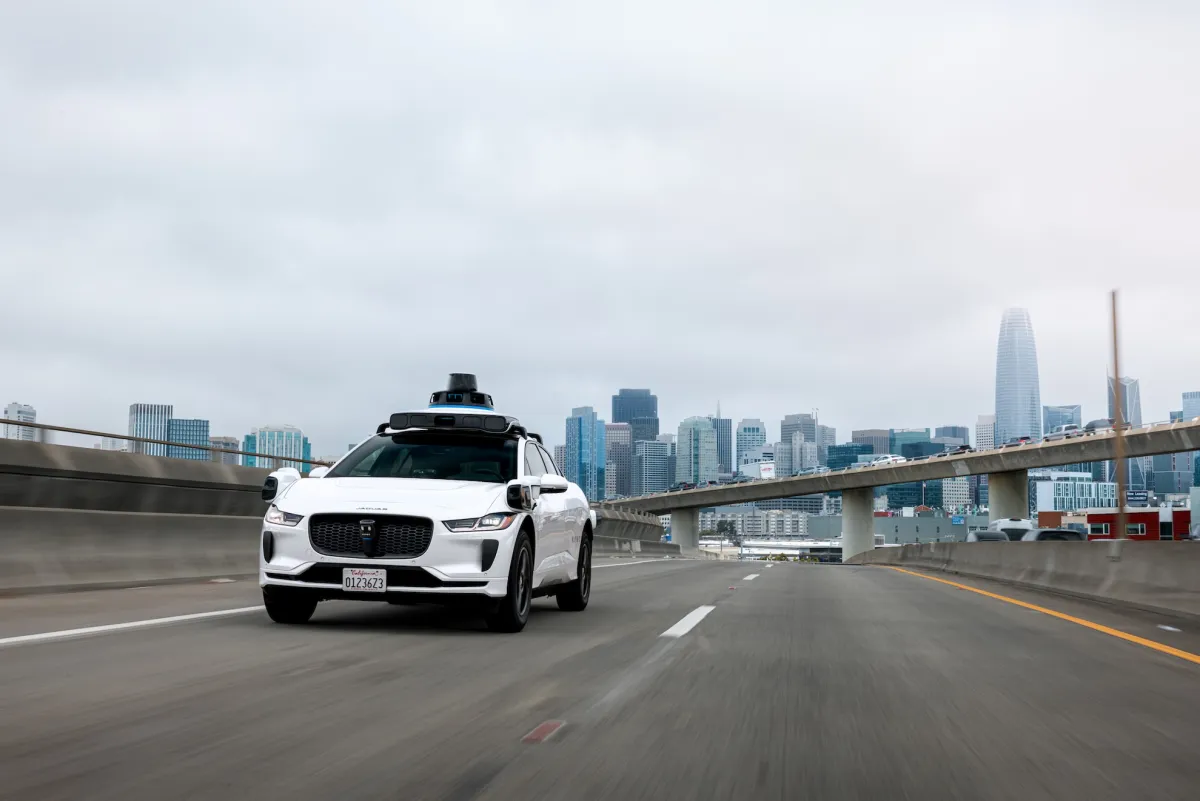
Waymo has paused freeway rides across all its markets after California regulators imposed operational restrictions following several incidents, TechCrunch reported.
EXECUTIVE BRIEF // KEY TAKEAWAYS
Waymo has paused freeway rides across all its markets after California regulators imposed operational restrictions following several incidents, TechCrunch reported.
Waymo has suspended freeway rides nationwide after the California Department of Motor Vehicles issued operational restrictions on the autonomous-vehicle operator, TechCrunch reported on Nov. 17. The order followed several incidents. The company's decision to pause the service well beyond California's borders suggests regulatory action in one state can quickly reshape how a robotaxi operator runs its entire network.
The episode matters for global enterprise, technology and capital markets because highway driving is widely regarded as a key step in scaling autonomous ride-hailing. Freeways shorten trips and widen the area a fleet can serve. Any restriction on that capability bears on the economics of the business and on investor expectations for the broader autonomous-vehicle sector.
Regulatory Background and What Has Been Disclosed
According to TechCrunch, the California DMV, which regulates the testing and deployment of autonomous vehicles in the state, issued the operational restrictions on Waymo following several incidents. The DMV holds authority over the permits that allow driverless vehicles to operate on California roads. It can limit or condition those permits when it determines that safety concerns warrant action.
The source material available to The OmniWire does not detail the nature or number of the incidents, the specific terms of the DMV's restrictions, or the duration of the suspension. It also contains no statement from Waymo or the DMV. The OmniWire is therefore not quoting any official and will update this report if either party publishes a formal statement or if TechCrunch supplies further detail.
What the report does establish is the sequence of events: the state regulator acted after several incidents, and Waymo then suspended freeway rides across its entire service footprint rather than only in California.
Operational and Economic Impact
A nationwide pause indicates that Waymo is treating the restrictions as a matter for its whole operation. A company could instead have limited the change to the affected jurisdiction. Applying one policy across markets can simplify compliance and safety management, but it also means riders everywhere lose access to a route type that typically offers faster trips.
The source material does not provide figures on how many rides, vehicles or markets are affected, and The OmniWire has not independently verified any such numbers. Analysts will likely watch for the share of trips that used freeways, any change in wait times or fares, and whether surface-street service continues without disruption. Those details will determine whether the suspension is a narrow product limitation or a more material constraint on growth.
For the wider industry, the action is a reminder that autonomous-vehicle deployment depends on regulatory permission as much as on technical capability. Competitors, suppliers and investors in sensing hardware, computing platforms and mapping services all have exposure to how regulators respond to incidents involving driverless vehicles.
Outlook: Regulatory Hurdles and Milestones
The central question is what conditions the DMV has set for restoring freeway operations and how long a review might take. Typically, regulators seeking to lift or modify restrictions look for corrective measures, incident analysis and evidence that safety performance has improved. Whether that process applies here has not been disclosed in the material reviewed.
Other state and federal authorities may also take an interest in the incidents, although the source material does not indicate that any have done so. Waymo's next steps will be closely watched: any announcement of a timetable for resuming freeway rides, and the safety data behind it, would signal how quickly the company expects to regain the capability.
For now, the suspension marks a setback for one of the sector's most prominent operators and a test of how it handles scrutiny from its home-state regulator. The outcome is likely to influence regulatory expectations for autonomous-vehicle operators well beyond California.