Walmart Expands Fast-Food Delivery Push to Leverage Store Reach
By leveraging store proximity where fast-food sales concentrate, Walmart aims to disrupt third-party delivery apps and lift overall e-commerce basket sizes.
EXECUTIVE BRIEF // KEY TAKEAWAYS
By leveraging store proximity where fast-food sales concentrate, Walmart aims to disrupt third-party delivery apps and lift overall e-commerce basket sizes.
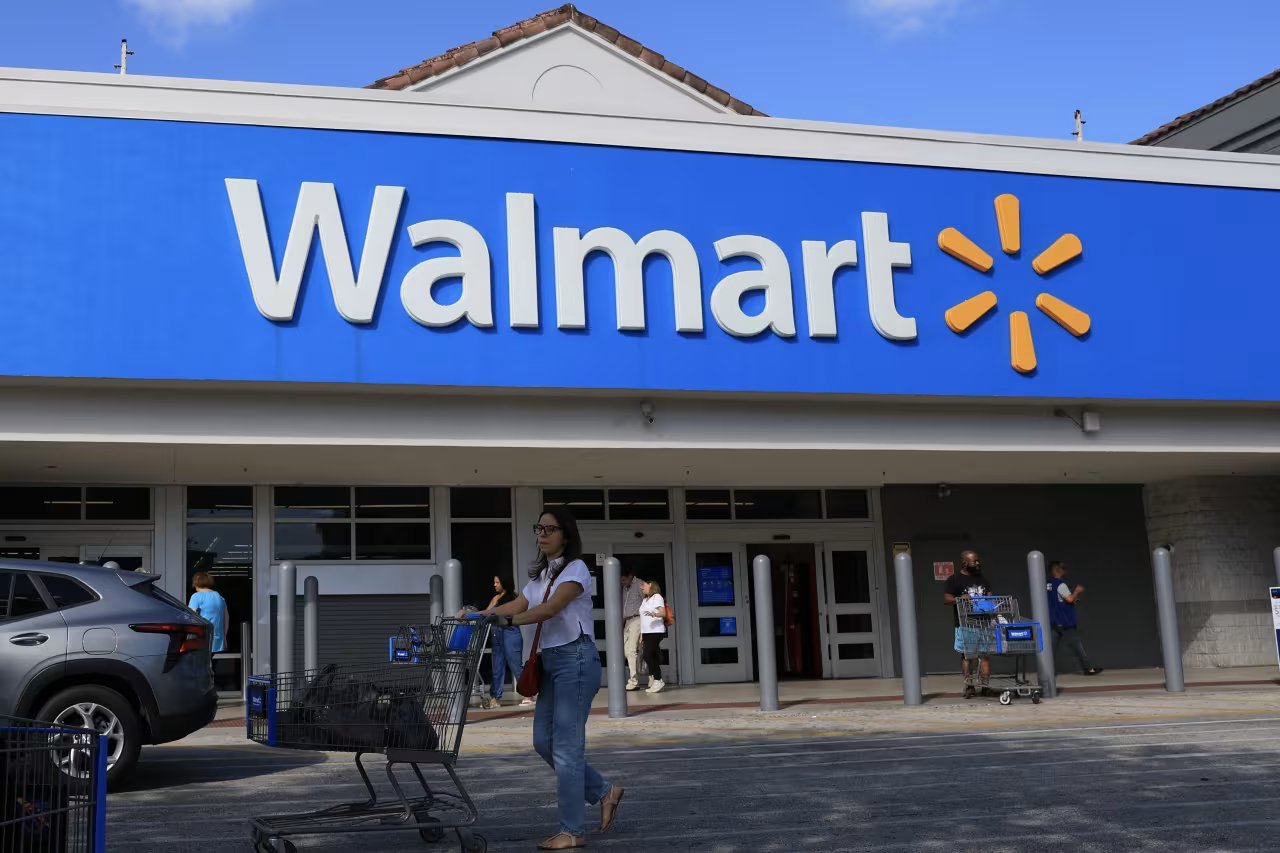
BENTONVILLE, Ark. — Walmart Inc. is expanding its strategic push into fast-food delivery, leveraging its unmatched brick-and-mortar footprint to capture high-frequency consumer transactions and challenge dedicated delivery aggregators. The world’s largest retailer is capitalizing on internal demographic data revealing that approximately 90% of all customer spending at fast-food restaurants occurs within a tight geographic radius of an existing Walmart location, according to disclosures reported by MarketWatch. By integrating quick-service restaurant fulfillment into its digital commerce ecosystem, the company aims to convert routine meal runs into broader retail transactions.
The strategic maneuver underscores a fundamental structural shift across digital commerce, where the boundary separating omni-channel grocery retail and quick-service restaurant delivery is rapidly dissolving. For enterprise retail and capital markets, Walmart’s initiative signals an escalation in platform competition against established delivery networks such as DoorDash and Uber Eats. As consumer spending remains pressured by cumulative inflation, retailers that achieve the highest delivery route density and frequency are positioned to command superior logistics margins and long-term customer loyalty.
Geographic Density and Consumer Proximity
Walmart’s accelerated focus on restaurant delivery relies on an asset that pure-play gig-economy delivery platforms cannot replicate: physical store infrastructure embedded across secondary and tertiary markets as well as major metropolitan areas. According to MarketWatch, the retail giant found that the vast majority of commercial activity at quick-service chains takes place just miles from its stores, giving the retailer a natural logistical beachhead.
The retail giant says around 90% of spending at fast-food chains occurs within a few miles from a Walmart, establishing a strategic overlap that underpins the retailer’s restaurant delivery ambitions, MarketWatch reported.
Retail analysts note that this geographic correlation provides an immediate operational foundation. With approximately 90% of the American population already residing within 10 miles of a Walmart facility, the company’s distribution map mirrors consumer dining habits. Instead of treating fast food and general merchandise as distinct shopping behaviors, Walmart is positioning its platform to handle both within a single consumer journey, maximizing the efficiency of each dispatch across suburban and rural corridors where third-party aggregators often struggle with route density.
Unit Economics and the Power of Basket Bundling
The financial rationale behind the fast-food expansion extends beyond meal commission fees to the economics of basket composition. In conventional food delivery, standalone restaurant orders often suffer from razor-thin operating margins due to driver transit times and volatile customer tips. Walmart’s operational model alters this calculation by encouraging multi-category purchasing, allowing households to combine dinner orders with shelf-stable groceries, personal hygiene products, or household essentials.
Disclosed logistics assessments indicate that pairing restaurant orders with general merchandise significantly lifts average basket value, amortizing delivery expenses across a larger gross merchandise volume. Utilizing its proprietary Spark gig-driver delivery platform, Walmart can orchestrate combined dispatches that improve driver earnings while keeping fulfillment costs per unit lower than dedicated restaurant couriers. For franchise operators facing rising platform commissions and overhead costs, partnering with a retailer that can offer lower merchant take rates presents an attractive alternative to traditional third-party intermediaries.
Market Outlook and Competitive Realignment
The expansion into quick-service delivery represents a critical component of Walmart’s broader subscription ecosystem, particularly its Walmart+ membership tier. By offering discounted or bundled delivery on prepared meals, the company strengthens member retention, mimicking tactics utilized by Amazon Prime and Uber One to lock in multi-channel discretionary spend.
However, sustaining operational efficiency across high-velocity meal delivery poses notable execution hurdles. Fast-food fulfillment requires rigorous temperature controls, immediate dispatch times, and synchronized handoffs that differ substantially from scheduled grocery drop-offs. Any friction in delivery speed or food quality risks tarnishing customer trust across Walmart’s broader retail application. In addition, established gig platforms are expected to defend their core merchant relationships aggressively through exclusive tier agreements and localized promotional spending. As regulatory scrutiny over gig-worker compensation and platform fee transparency intensifies nationwide, Walmart’s ability to scale restaurant delivery sustainably will serve as a bellwether for the future of consolidated on-demand logistics.