Visa Survey: Physical Gifts Lead Holiday Spend Despite Travel Demand
A new Visa survey indicates consumers are prioritizing tangible merchandise for holiday budgets even as travel and experiences top seasonal wish lists.
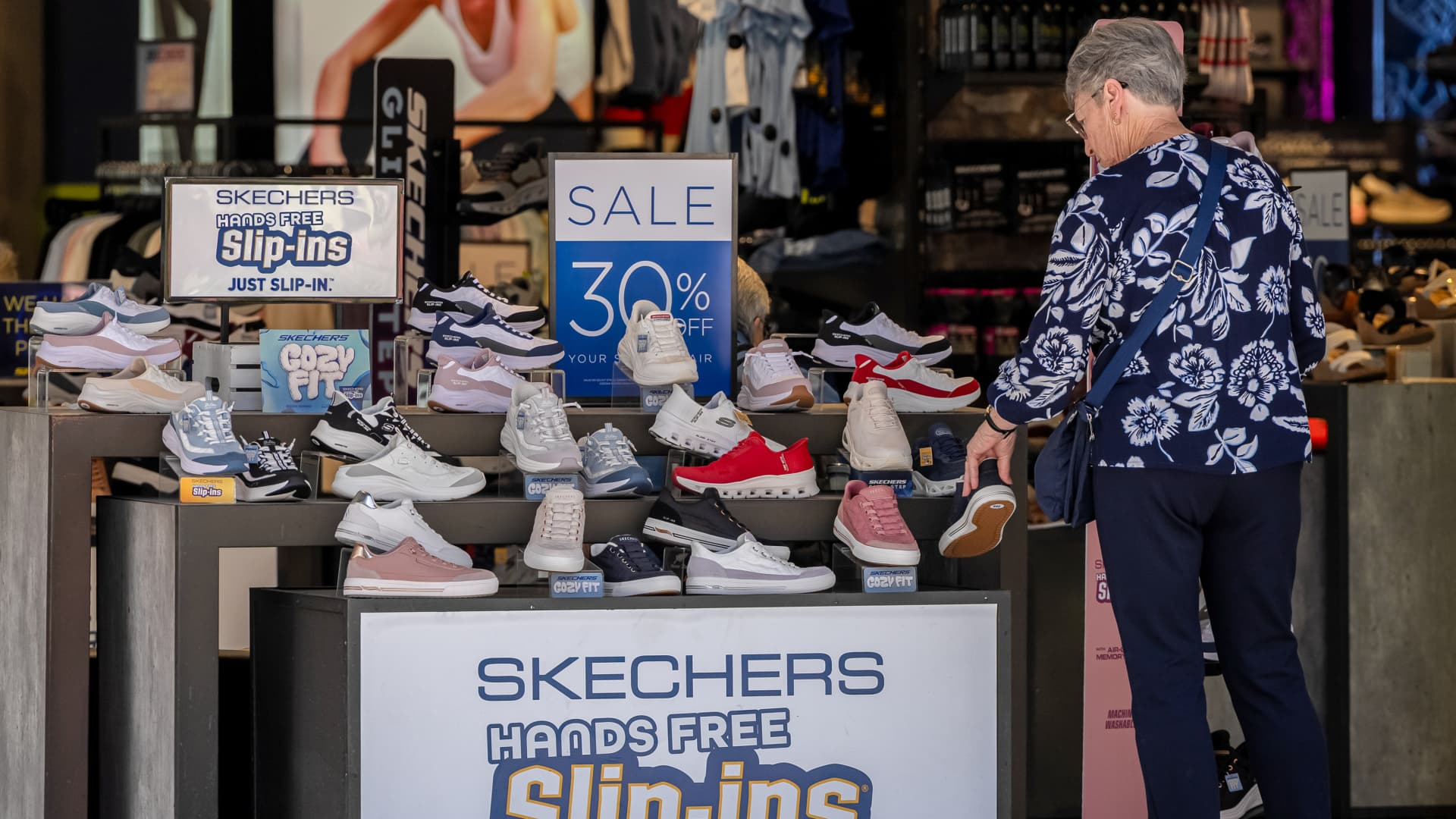
Consumers are allocating a dominant share of their seasonal budgets toward physical gifts this holiday shopping period, even as travel and experiential offerings rank at the top of recipient wish lists, according to a recent survey analyzed by Visa and reported by CNBC Business. The divergence between stated consumer desires for leisure mobility and actual point-of-sale allocations underscores a resilient baseline for traditional retail inventory heading into the fourth quarter.
For global retail chains, payment processors, and logistics operators, this spending pattern provides critical visibility into fourth-quarter revenue streams. While post-pandemic macroeconomic narratives have frequently emphasized a structural pivot from tangible goods to services and hospitality, the Visa survey findings demonstrate that physical gift-giving remains an entrenched cultural and economic anchor during the peak holiday shopping cycle. Retailers that scaled back merchandise orders in anticipation of an experience-heavy holiday season may face inventory tightness in high-demand categories, while payment networks stand to benefit from sustained transaction volumes across both brick-and-mortar and e-commerce channels.
The Divergence Between Wish Lists and Checkout Realities
According to the survey findings highlighted by CNBC Business, holiday shoppers consistently identify travel, hospitality, and live experiences as their most desired seasonal gifts. However, when consumers transition from browsing to executing purchases for family members, friends, and colleagues, their capital overwhelmingly flows toward boxed merchandise, apparel, electronics, and other physical items.
Market analysts attribute this gap to the practical mechanics of holiday gifting. Physical goods offer immediate tangibility, straightforward price comparison, and predictable fulfillment timelines. Conversely, gifting travel or experiential packages often involves complex scheduling coordination, higher upfront price thresholds, and inflexible cancellation policies that can deter purchasers seeking reliable seasonal presents. Furthermore, promotional discounting structures during major retail events—such as Black Friday and Cyber Monday—are heavily weighted toward physical inventory, creating strong price incentives that pull consumer budgets back toward traditional retail goods.
Operational and Economic Impact Across Retail Sectors
The persistence of physical gift purchasing carries direct operational implications for supply chain managers, omnichannel retailers, and financial institutions tracking consumer credit and debit flows. AsVisa's data suggests, household budget allocation during the final months of the year continues to favor tangible items that can be wrapped and delivered on schedule, insulating core retail categories from a complete migration toward service-sector spending.
From a balance-sheet perspective, merchants operating in department store, specialty apparel, consumer electronics, and home goods segments rely on fourth-quarter turnover to clear seasonal working capital and hit annual profitability targets. The prioritization of physical gifts supports gross merchandise value across digital storefronts and physical shopping centers alike. At the same time, logistics carriers and last-mile delivery networks must maintain elevated fulfillment capacity, as the volume of parcel shipments remains closely tied to consumers' preference for tangible presents over digital vouchers or travel bookings.
Travel and hospitality operators, meanwhile, face a more nuanced commercial environment. While consumer aspiration for leisure trips remains elevated at the top of holiday wish lists, the conversion of that sentiment into immediate fourth-quarter gift transactions requires targeted product structuring, such as flexible travel certificates, bundled gift cards, and loyalty point promotions that lower the friction of gifting an experience.
Strategic Outlook for the Holiday Quarter and Beyond
Looking ahead through the remainder of the holiday shopping calendar and into the first quarter of the new fiscal year, corporate strategists will closely monitor how consumers balance discretionary spending between immediate physical gifts and deferred travel plans. If shoppers exhaust their seasonal budgets on tangible merchandise in November and December, hospitality and airline bookings could experience a temporary lag before recovering during spring and summer booking windows.
For retail executives and payment network analysts, the Visa survey reported by CNBC Business reinforces the necessity of maintaining agile inventory and promotional strategies. Rather than viewing the consumer economy as a binary choice between goods and services, enterprise leaders must navigate a dual-track market where experiential aspirations remain high, but physical commerce continues to command the decisive share of holiday gift expenditures.