Fox Completes $22 Billion Acquisition of Streaming Giant Roku
Following months of Department of Justice scrutiny, Fox has finalized its $22 billion takeover of Roku, reshaping the connected television hardware landscape.
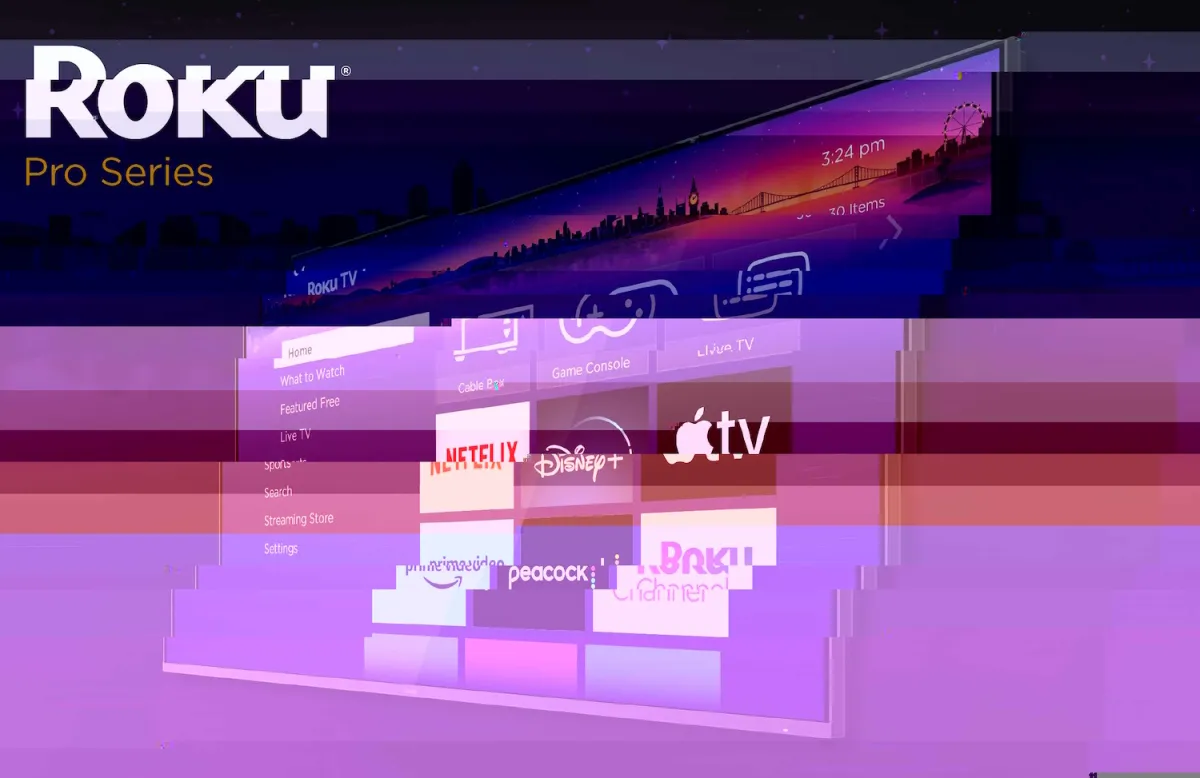
Fox has officially completed its $22 billion acquisition of the streaming platform and hardware provider Roku, according to reporting by TechCrunch. The closure of the multi-billion-dollar transaction comes just months after investigators from the United States Department of Justice probed the proposed tie-up, marking one of the most consequential media and technology consolidations in the connected television sector.
The completion of the $22 billion deal underscores a pivotal shift in how legacy broadcast and entertainment enterprises approach digital distribution. By absorbing a major streaming operating system and hardware ecosystem rather than relying solely on third-party distribution channels, Fox positions itself at the foundational gatekeeper layer of home entertainment, altering competitive dynamics across global media and capital markets.
Regulatory Scrutiny and Transaction Background
As reported by TechCrunch, the path to finalizing the $22 billion transaction involved regulatory examination at the federal level. Department of Justice investigators spent recent months probing the structure and potential market effects of the acquisition before the companies ultimately brought the deal across the finish line.
In the broader connected television landscape, vertical integration between content producers and the underlying hardware and software platforms that aggregate viewership has routinely drawn attention from antitrust authorities. Regulators evaluating large-scale media and technology mergers typically examine whether combined entities could leverage platform control to favor proprietary programming, alter advertising inventory access, or disadvantage rival streaming applications. Despite the inquiry by Department of Justice investigators in the months preceding the close, Fox and Roku navigated the review process to complete the $22 billion takeover.
Operational and Economic Impact on Connected Television
Valued at $22 billion, the acquisition merges Fox's broadcast, news, and sports programming portfolio with Roku's expansive footprint in streaming devices, smart television operating systems, and digital advertising infrastructure. In the modern media economy, the operating system layer serves as the primary interface between consumers and streaming services, controlling home-screen placement, search discovery, and audience telemetry.
From an economic perspective, integrating a major streaming giant into a traditional media corporation creates direct synergies in connected television advertising. Platform operators capture significant revenue not only from hardware sales and subscription revenue sharing, but also from targeted programmatic advertising across free ad-supported streaming television channels. By bringing Roku's platform operations in-house through this $22 billion investment, Fox gains direct ownership of both the distribution conduit and the advertising technology stack that powers viewer monetization.
Strategic Implications and Industry Outlook
The successful closure of Fox's acquisition of Roku sets a major precedent for the next phase of streaming industry consolidation. Competing media conglomerates and technology platforms will now have to navigate a market where a primary connected television gatekeeper is wholly owned by a direct content competitor. Rival streaming services that rely on Roku's operating system to reach household television screens may re-evaluate their distribution agreements, promotional spend, and platform partnerships in light of the new ownership structure.
Looking ahead, market analysts and industry participants will closely monitor how Fox integrates Roku's hardware and platform ecosystems into its broader corporate strategy. Key areas of focus will include the preservation of platform neutrality for third-party streaming applications, the unification of advertising sales operations, and whether federal regulators maintain post-merger oversight of the combined entity's market practices following the earlier Department of Justice probe.