US Senate Prepares Vote on Sweeping Energy Permitting Reform Bill
Following midterm elections, lawmakers weigh legislation aimed at cutting regulatory red tape to accelerate domestic energy infrastructure.
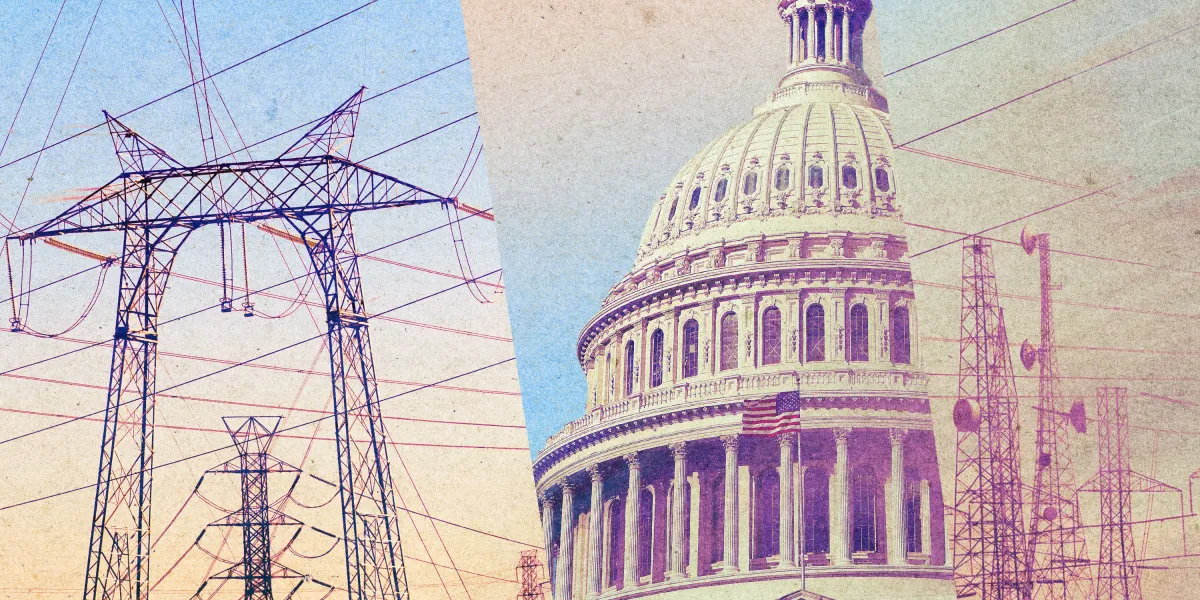
The United States Senate is scheduled to vote on November 9 on the Bipartisan American Affordability and Jobs Act (BAAJA), a sweeping legislative proposal designed to streamline federal permitting processes and accelerate the construction of domestic energy infrastructure, according to a report by MIT Technology Review. Introduced in the immediate aftermath of the US midterm elections, the legislation seeks to reduce bureaucratic delays that have historically slowed the deployment of power generation and transmission projects nationwide.
The outcome of the Senate vote carries significant implications for the technology sector, capital markets, and industrial infrastructure developers. As artificial intelligence workloads, hyperscale data centers, and electrified manufacturing drive unprecedented surges in electricity demand across North America, the ability to rapidly build and connect new energy capacity has emerged as a primary bottleneck for technological expansion and grid reliability.
Post-Midterm Legislative Push and Regulatory Context
According to MIT Technology Review, the Senate vote arrives with the political landscape still settling from the midterm election cycle. Lawmakers are positioning the Bipartisan American Affordability and Jobs Act as a comprehensive measure to cut regulatory red tape across federal agencies responsible for reviewing and approving major infrastructure initiatives.
Under existing regulatory frameworks, energy developers frequently navigate multi-year environmental reviews, overlapping federal and state jurisdictional mandates, and prolonged interconnection queues before breaking ground on new facilities. While specific statutory mechanisms within the final Senate floor text remain subject to legislative deliberation, permitting reform initiatives generally target timelines for environmental impact assessments, interregional transmission corridor approvals, and judicial review periods for contested energy projects.
A sweeping bit of legislation designed to cut red tape could speed up the buildout of energy infrastructure in the United States as the Senate prepares to vote on the Bipartisan American Affordability and Jobs Act on November 9.
For decades, complex permitting protocols have affected both traditional energy installations and renewable power generation alike. High-voltage transmission lines capable of carrying electricity from remote generation sites to metropolitan and industrial load centers often face the steepest regulatory hurdles, crossing multiple state boundaries and federal land designations.
Economic and Technological Impact on Grid Capacity
The push to overhaul permitting rules intersects directly with the shifting economics of the US power grid. Technology enterprises and utility operators have repeatedly warned that existing grid infrastructure is struggling to keep pace with the rapid proliferation of artificial intelligence computing clusters and domestic semiconductor fabrication plants. Unlike software deployment, which scales on compressed timelines, physical energy infrastructure requires years of capital allocation, right-of-way acquisition, and regulatory clearance.
By targeting the administrative bottlenecks encapsulated under federal red tape, the Bipartisan American Affordability and Jobs Act aims to lower project development costs and shorten the time required to bring new megawatts online. Faster permitting timelines directly influence capital efficiency for institutional investors and utility providers, reducing the financial carrying costs associated with multi-year regulatory uncertainty.
Furthermore, framing the legislation around affordability and job creation reflects dual economic priorities in Washington: stabilizing retail and industrial electricity prices through increased supply while catalyzing construction and engineering employment across domestic energy corridors. If enacted, streamlined review processes could unlock stalled capital expenditure across grid modernization projects, utility-scale storage, and generation assets.
Strategic Outlook and Upcoming Legislative Milestones
The November 9 Senate vote represents a pivotal milestone for federal energy policy during the post-election legislative session. Market participants, utility planners, and technology infrastructure leaders will closely monitor whether the Bipartisan American Affordability and Jobs Act secures the necessary threshold for passage in the upper chamber and how it navigates subsequent reconciliation or approval processes in the House of Representatives.
Even if the legislation clears congressional hurdles, the practical impact of permitting reform will depend heavily on executive branch implementation. Federal regulatory agencies will be tasked with translating statutory directives into updated rulemaking, staffing review offices, and coordinating with regional transmission organizations. Until those operational frameworks take effect, infrastructure developers and data center operators will continue to weigh federal policy signals against local siting constraints and supply chain availability.