US Midterms Signal Regulatory Headwinds for Musk and Data Centers
Post-election legislative shifts are set to complicate enterprise infrastructure expansion and reshape federal oversight for Elon Musk's ventures.
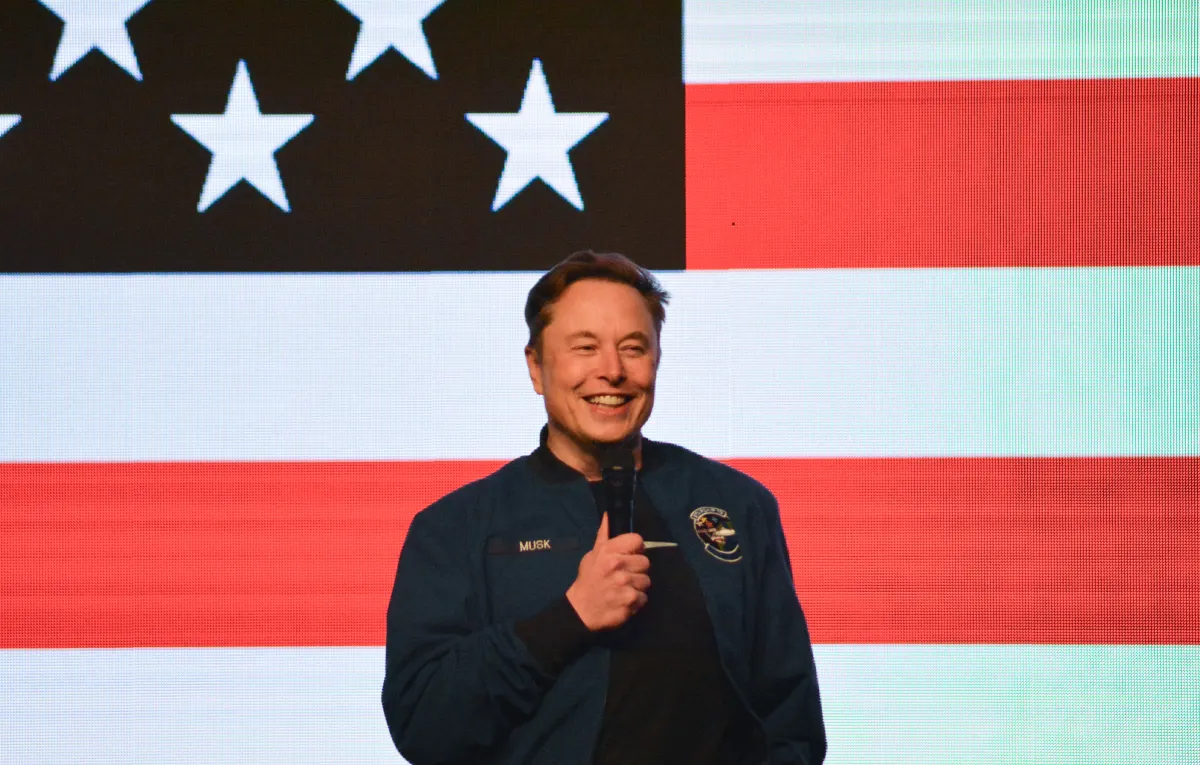
The conclusion of the United States midterm elections has introduced a challenging regulatory and operational landscape for the technology sector, with particular friction emerging around large-scale data center deployments and the business enterprises led by Elon Musk, according to analysis from TechCrunch's Equity podcast. As newly elected officials and shifting committee majorities prepare to assume power, technology executives are reassessing how federal and state-level policy adjustments will affect capital-intensive hardware buildouts and high-profile corporate leadership tied to the political sphere.
The post-midterm environment carries immediate weight for global enterprise infrastructure and technology capital markets. Over the past several quarters, artificial intelligence expansion has driven unprecedented capital expenditure into hyperscale data centers, while Musk's portfolio of companies has operated at the intersection of private aerospace, automotive manufacturing, artificial intelligence, and federal contracting. Any recalibration of legislative priorities threatens to alter permitting timelines, energy grid allocation, and government procurement frameworks across the United States.
Shifting Political Dynamics and Tech Oversight
In its assessment of what the midterm outcomes mean for the broader technology industry, TechCrunch highlighted that the political fortunes of major industry figures and physical infrastructure projects are entering a turbulent phase. Throughout the campaign cycle, technology policy became increasingly intertwined with local economic concerns and partisan scrutiny, moving beyond traditional debates over content moderation and antitrust enforcement into the physical realities of industrial policy.
For Elon Musk, whose corporate interests span electric vehicles, satellite communications, and large-scale artificial intelligence compute clusters, the changing political composition presents a complex set of oversight challenges. Legislative shifts often bring renewed scrutiny to federal contracts, regulatory compliance reviews, and executive accountability. Market observers note that when corporate strategy becomes closely associated with electoral outcomes, shifts in legislative control can rapidly translate into committee hearings, revised subsidy criteria, and tighter regulatory supervision.
Infrastructure Constraints and Data Center Headwinds
Beyond individual corporate leadership, the physical backbone of the artificial intelligence boom—hyperscale data centers—faces mounting resistance at both the local and state levels. Following the midterm elections, newly empowered state lawmakers, municipal boards, and utility commissioners are expected to take a harder line on the resource demands of massive computing facilities.
Data center developers have increasingly encountered friction regarding electrical grid capacity, water consumption for cooling systems, and local zoning approvals. Voters and local officials in key industrial corridors have raised concerns over whether commercial power demands could drive up residential utility rates or strain aging regional transmission networks. In the wake of the midterms, infrastructure operators must navigate lawmakers who campaigned on utility affordability and stricter environmental permitting, potentially slowing the deployment of next-generation server clusters required by major cloud and artificial intelligence providers.
Strategic Outlook for Enterprise Technology
Looking ahead to the upcoming legislative sessions, technology companies and infrastructure investors will need to adapt their government affairs and capital allocation strategies. For data center operators, securing long-term power purchase agreements and community benefit frameworks will become essential prerequisites before breaking ground in politically contested jurisdictions.
Simultaneously, enterprises aligned with high-profile executives like Musk face a period of heightened legislative vigilance. How the technology industry navigates these dual pressures—managing the physical limits of domestic energy grids while contending with a realigned political establishment—will define the pace of American hardware and artificial intelligence deployment over the next two years.