US Intelligence Memo Links Tech Executive to Nvidia Espionage Effort
A circulated U.S. intelligence assessment reportedly alleges China's security ministry recruited a technology executive to target Nvidia's chief executive.
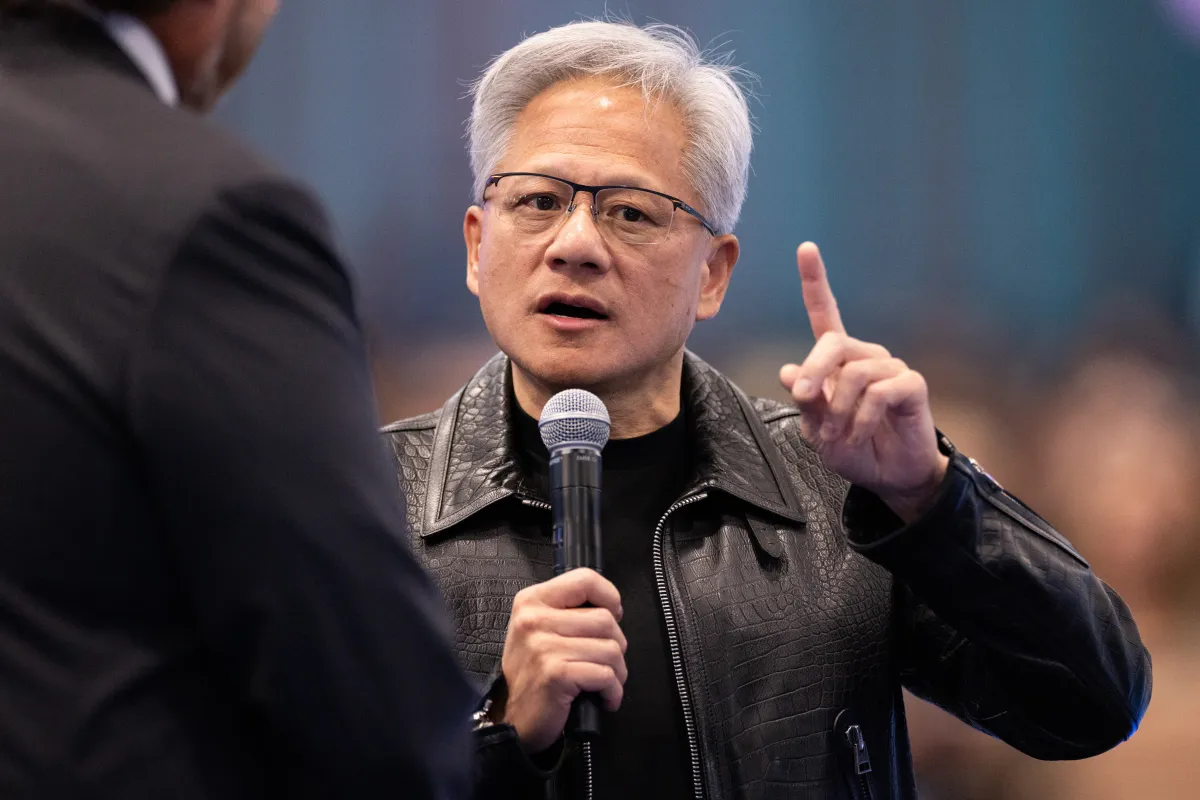
United States intelligence officials circulated an internal memorandum earlier this year alleging that China's Ministry of State Security recruited a female technology executive associated with Megaspeed to conduct espionage targeting Nvidia's chief executive officer, according to reporting by TechCrunch.
The reported disclosure underscores the intensifying intersection between national security enforcement and the global semiconductor supply chain. As advanced artificial intelligence accelerators remain subject to strict export controls and geopolitical rivalry, allegations of human intelligence operations aimed directly at top industry leadership highlight the heightened counterintelligence risks confronting major U.S. hardware designers and their international commercial networks.
Intelligence Assessment and Alleged Recruitment
According to the details reported by TechCrunch, the U.S. intelligence memo claimed that China's principal civilian intelligence and security agency, the Ministry of State Security, enlisted the executive specifically to gather information on the head of Nvidia. While the public summary of the memorandum does not disclose the operational timeline, the specific methods of recruitment, or whether any proprietary corporate or technical information was compromised, the existence of the document points to active monitoring by U.S. counterintelligence agencies of foreign contacts involving senior semiconductor executives.
The reference to an executive linked to Megaspeed in the reported intelligence circulation places renewed scrutiny on third-party hardware partners, regional distributors, and cross-border technology firms operating within the broader accelerated computing ecosystem. In recent years, federal authorities have expanded their oversight beyond traditional regulatory compliance to examine interpersonal and corporate vectors that could be leveraged by state-aligned intelligence services.
The reported U.S. intelligence memorandum claimed that China's Ministry of State Security recruited a female technology executive to spy on Nvidia's chief executive officer, according to TechCrunch.
Operational and Sector-Wide Security Implications
For leading semiconductor enterprises, the allegation that state intelligence operatives sought direct access to a chief executive reflects a shift in corporate risk profiles. Nvidia sits at the center of global artificial intelligence infrastructure buildouts, making its strategic roadmap, supply allocation decisions, and executive communications high-priority targets for state-sponsored collection efforts.
Unlike automated cyber intrusions that target enterprise networks and source code repositories, human intelligence operations focusing on C-suite leaders aim to capture high-level strategic intent, unreleased product schedules, and regulatory navigation strategies. When intelligence agencies circulate memos detailing such recruitment claims, corporate security teams across the technology hardware sector typically reassess executive protection protocols, travel security measures, and vetting procedures for external business engagements.
Furthermore, the involvement of an executive tied to an external technology company illustrates the vulnerability of extended partner ecosystems. Major chipmakers rely on a complex web of original design manufacturers, cloud service providers, and regional executives to deploy infrastructure globally. Any allegation linking a partner-level executive to state intelligence activity complicates compliance auditing and forces enterprises to tighten due diligence across their commercial channels.
Strategic Outlook and Regulatory Scrutiny
Looking ahead, disclosures of this nature are likely to reinforce stringent oversight by U.S. lawmakers and executive branch agencies governing technology transfers and foreign corporate affiliations. Even when intelligence assessments remain partially classified or surface primarily through media reporting, they frequently inform broader policy debates surrounding export administration regulations, investment screening, and supply chain security mandates.
Enterprise hardware vendors and semiconductor manufacturers operating across Asian and Western markets face an increasingly complex operational environment in which commercial partnerships are scrutinized through the lens of national security. As federal agencies continue to track and circulate assessments regarding foreign intelligence activities targeting domestic technology leaders, companies at the forefront of artificial intelligence hardware will be expected to maintain rigorous internal counterintelligence safeguards alongside their standard regulatory compliance programs.