United Resolves System Outage Following Nationwide Flight Delays
United Airlines resolved a critical technology outage on Monday that triggered widespread flight delays following recent FAA national ground stop disruptions.
EXECUTIVE BRIEF // KEY TAKEAWAYS
United Airlines resolved a critical technology outage on Monday that triggered widespread flight delays following recent FAA national ground stop disruptions.
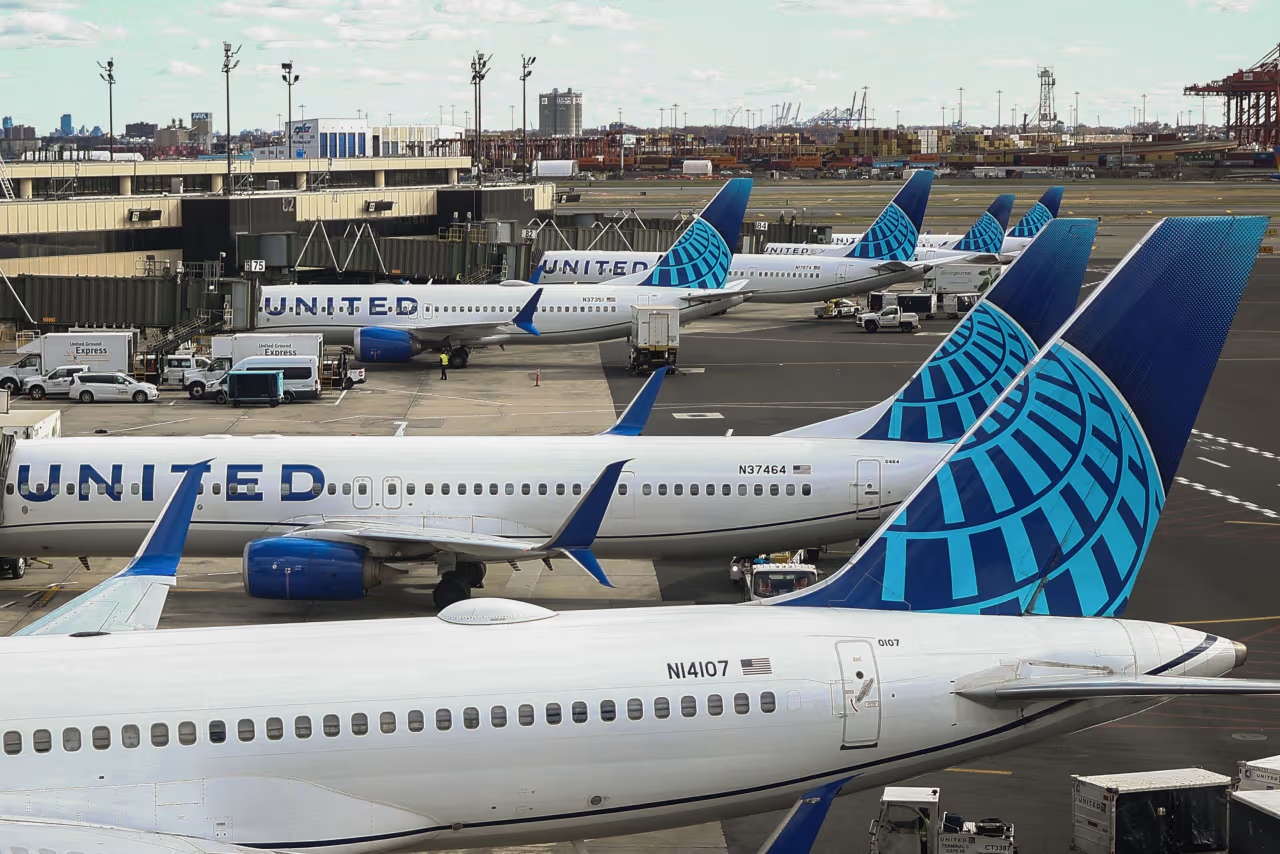
CHICAGO — United Airlines resolved an internal technology failure on Monday after an operational system outage prompted ground delays across domestic flight corridors, compounding travel friction just days after a separate federal aviation ground stop disrupted passenger networks nationwide.
The disruption underscores the acute vulnerability of commercial air transportation networks to cascading digital bottlenecks, where single points of failure in IT infrastructure quickly ripple into multi-hub logistical delays. As global airlines operate near peak capacity while navigating tightly coupled scheduling software, technical disruptions increasingly threaten quarterly operational margins, corporate traveler confidence, and schedule reliability across North American hubs.
Compounding Technical Disruptions Across Hubs
According to reporting from MarketWatch, the carrier moved swiftly to contain the issue after technical glitches compromised operational connectivity earlier in the day. The ground delays emerged during a period of heightened sensitivity for commercial aviation, following closely on the heels of a Federal Aviation Administration ground stop that had previously snarled domestic airspace.
Airlines depend heavily on synchronized telecommunications and digital infrastructure to coordinate crew assignments, passenger dispatching, weight-and-balance calculations, and gate availability. When an outage occurs, even a temporary interruption of core dispatch or passenger processing tools can trigger mandatory safety protocols that freeze ramp departures and hold aircraft at departure gates.
The Monday incident illustrates how quickly modern hub-and-spoke airlines can accumulate cascading schedule friction when automated operations are suspended. Major commercial carriers operate hundreds of daily departures through primary operational hubs, where departure sequencing halts immediately upon system downtime, prompting congestion on taxiways while inbound flights wait for available ramp space.
Technical delays in legacy airline IT stacks rarely remain isolated, quickly reverberating through interconnected hub-and-spoke networks across the United States.
Economic and Operational Strains on Network Resilience
The financial ramifications of flight cancellations and prolonged delays extend far beyond the immediate compensation and rebooking expenses incurred at airport service desks. For major legacy carriers such as United Airlines, operational irregularities disrupt aircraft repositioning routines, displace flight crews beyond regulated duty-time thresholds, and create lingering downstream bottlenecks that require multiple business days to fully normalize.
Industry analysts point out that recurring IT failures carry substantial direct and indirect costs for commercial carriers. Beyond mandatory federal refunds and accommodations required under enhanced consumer protection rules, unscheduled delays degrade gate utilization metrics and reduce daily aircraft block hours. In an operating environment shaped by elevated fuel costs and tight pilot availability, every hour of unscheduled network stagnation exerts downward pressure on carrier operating margins and customer satisfaction metrics.
Regulatory Scrutiny and Future Modernization Imperatives
The successive disruptions—spanning both airline-specific enterprise software and broader federal air traffic management systems—are likely to invite renewed examination from federal transportation regulators and congressional oversight committees. In recent quarters, the United States Department of Transportation has signaled an aggressive regulatory stance toward carrier operational integrity, pressing commercial airlines to invest aggressively in digital redundancy, modernized dispatch architecture, and robust customer communication channels.
Looking ahead, major global air carriers face mounting capital expenditure imperatives to replace aging software architectures with distributed, cloud-native operational platforms capable of autonomous failover. As passenger volumes continue to test post-pandemic infrastructure ceilings, the aviation sector must balance aggressive fleet expansion with necessary digital upgrades. For United Airlines and its competitors across the commercial aviation landscape, fortifying core IT resilience will remain an urgent priority to avoid catastrophic schedule unraveling during critical high-volume travel windows.