Uber and Zipline Launch Texas Drone Delivery, Eye 1M Daily Drops
Uber and Zipline have begun drone deliveries in Texas and plan to expand to dozens of cities, targeting one million deliveries a day by the end of 2029.
EXECUTIVE BRIEF // KEY TAKEAWAYS
Uber and Zipline have begun drone deliveries in Texas and plan to expand to dozens of cities, targeting one million deliveries a day by the end of 2029.
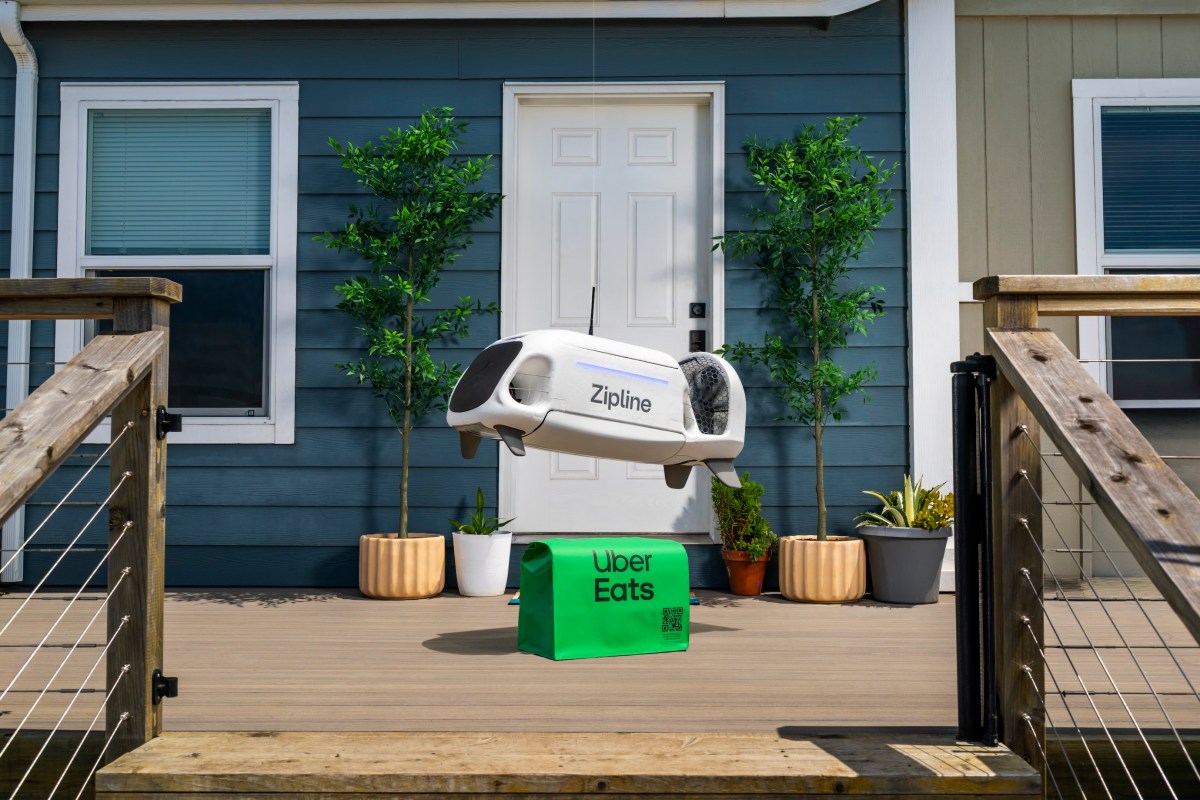
Uber and drone logistics company Zipline have launched a drone delivery service in Texas, TechCrunch reported on Nov. 17, 2026, with plans to expand to dozens of additional cities. The two companies said they want to reach one million deliveries per day using Zipline drones by the end of 2029, a goal that would move autonomous aerial delivery from limited pilot programs toward the scale of a mainstream logistics channel.
The partnership links a large consumer delivery marketplace with a specialized drone operator. For global enterprises, retailers and investors, the target is a measurable benchmark. It will show whether unmanned aircraft can become a cost-effective layer in last-mile logistics, which is among the most expensive and labor-intensive parts of commerce.
Background: A Marketplace Meets a Drone Operator
According to TechCrunch, the Texas launch is the first phase of a broader rollout rather than a standalone trial. The companies described a path that extends to dozens of cities, with Texas serving as the initial operating ground. The source material does not provide further detail on specific launch locations, pricing, merchant partners or aircraft specifications, and The OmniWire has not independently verified those points.
The arrangement pairs two distinct capabilities. Uber operates a platform that connects consumers with merchants and handles order demand at scale. Zipline builds and operates the drones that carry out the physical delivery. Combining demand aggregation with dedicated aerial hardware is intended to address a central challenge for drone programs: generating enough consistent order volume to keep fleets busy and unit economics viable.
Operational and Economic Impact
The stated target of one million deliveries per day by the end of 2029 is the most concrete figure disclosed. Reaching it would require sustained growth in fleet size, launch sites, airspace coordination and order density across many metropolitan areas. Each of those variables carries operational risk, and the companies have not publicly detailed, in the material available, how the volume will be distributed across cities or product categories.
For the logistics sector, the economics will hinge on cost per delivery relative to conventional courier models. Drone delivery can reduce reliance on human drivers for short-distance trips and may shorten delivery times, but it also demands capital investment in aircraft, docking infrastructure and monitoring operations. Whether per-delivery costs fall enough at scale to compete with ground-based options remains a central question for the industry and for any investor assessing the sector.
The expansion to dozens of cities also signals that the companies view the model as repeatable. A repeatable playbook, covering site selection, local approvals and merchant onboarding, is typically a prerequisite for the kind of volume the companies describe. Texas offers a first test of that playbook under real-world demand.
Outlook: Scale, Regulation and Proof of Economics
The principal hurdles ahead are regulatory and operational. Commercial drone delivery at high volume depends on aviation authorities' rules governing flights beyond visual line of sight, airspace integration and community acceptance in the cities where drones will operate. The source material does not outline specific approvals, and the timeline to 2029 leaves room for both regulatory progress and delay.
Market observers will likely watch three indicators as the rollout proceeds: the pace at which new cities are added, the daily delivery volumes the companies disclose, and any evidence of improving cost per delivery. Consistent progress on those measures would strengthen the case that drone logistics can operate at meaningful scale. Slower expansion would suggest the one-million-per-day goal depends on technical and regulatory conditions that have yet to be met.
For now, the Texas launch gives the partnership a live operating environment. Its results over the coming months will offer the first substantive data on whether the ambition announced for 2029 is attainable, and on how quickly autonomous aerial delivery can move from a novelty to infrastructure for enterprise logistics.