Trump Funding Cuts Stalls Tribal Clean Energy Initiatives
Canceled federal grants leave Indigenous communities across the U.S. facing soaring diesel costs and stalled climate infrastructure projects.
EXECUTIVE BRIEF // KEY TAKEAWAYS
Canceled federal grants leave Indigenous communities across the U.S. facing soaring diesel costs and stalled climate infrastructure projects.
Federal funding rollbacks executed by the Trump administration have stripped millions of dollars from renewable energy, climate resilience, and infrastructure projects across Indian Country, leaving remote Indigenous communities vulnerable to volatile fossil fuel markets. According to reports published by the Brookings Institution and originally detailed by Canary Media, the cancellation of hundreds of millions of dollars in grants has halted the transition away from diesel power in places like northwestern Alaska, compounding decades of historical federal underinvestment in tribal sovereignty and infrastructure.
The policy shift carries profound consequences for capital markets, energy independence, and climate justice objectives across the United States. For decades, federal allocations to Indigenous lands have lagged behind national averages, limiting economic development and reinforcing high utility burdens in isolated regions. The abrupt termination of these funding streams—disbursed through a combination of executive actions, the Department of Government Efficiency, and legislative rollbacks under the One Big Beautiful Bill Act—disrupts long-term corporate and municipal planning for microgrids, grid-modernization assets, and renewable energy procurement.
The High Cost of Isolation and Fossil Dependency
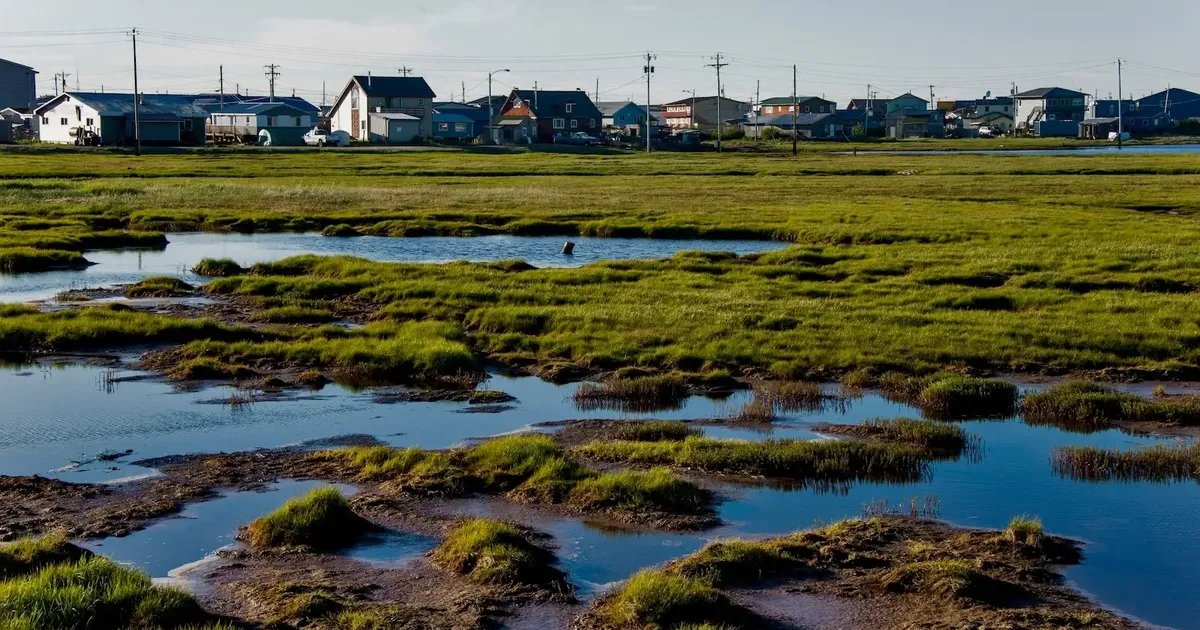
In Kotzebue, a small city situated on a gravel spit in northwest Alaska just north of the Arctic Circle, the stakes of the funding cuts are immediately visible. Accessible exclusively by air and sea due to seasonal ice packs that restrict freight barges for most of the year, the community maintains a narrow three-month window annually to receive its entire supply of diesel fuel. Residents rely on diesel for 75 percent of their electricity, forcing households to allocate approximately 20 percent of their income toward power bills—an energy burden more than three times the national average for low-income communities.
Chad Nordlum, energy project manager for the Native Village of Kotzebue, emphasized the community's vulnerability to macroeconomic volatility in an interview with Canary Media. “We’re pretty much at the mercy of world markets,” Nordlum said. Pointing to geopolitical conflicts driving up petroleum prices, he noted that the community was locked into historically high energy expenses with no local alternatives. “There’s really nothing the community can do about diesel prices, but what we can do is produce our own energy.”
To achieve self-sufficiency, Kotzebue secured a $20 million grant from the Environmental Protection Agency in 2024 as part of a broader $150 million allocation for tribal infrastructure in Alaska. The funding was earmarked for a major wind energy initiative designed to reduce the city's diesel reliance to between 40 and 50 percent while granting the tribe greater financial and operational autonomy. However, the Trump administration rescinded the grant in May 2025, leaving the capital project indefinitely suspended.
Broader Economic Impacts and Regulatory Rollbacks
The cancellation in Kotzebue reflects a systematic withdrawal of federal capital from Indigenous jurisdictions. Data compiled by the Brookings Institution reveals that the Department of Government Efficiency eliminated $468 million in federal commitments to tribal lands, with roughly half of those cuts targeting environmental and natural resource programs, and another 11 percent affecting agricultural initiatives. These cuts effectively dismantled key funding mechanisms established by the 2022 Inflation Reduction Act, terminating jobs programs, climate adaptation plans, and clean technology deployment across multiple reservations.
Rob Maxim, a fellow at Brookings Metro and a member of the Mashpee Wampanoag Tribe, underscored the acute vulnerability of Indigenous populations to climate disruptions. Because Indigenous communities frequently experience the most severe ecological impacts of a warming planet, the loss of targeted environmental funding undermines long-term risk management and economic stability. Brookings researchers argue that these funding cancellations violate federal trust and treaty obligations, prompting calls for structural policy safeguards that insulate tribal appropriations from shifting political administrations.
Strategic Implications and Future Outlook
The sudden evaporation of clean energy grants forces tribal leadership to reevaluate project financing, forcing a pivot toward private-public partnerships, tribal green bonds, and alternative philanthropic capital. While commercial developers and utilities increasingly incorporate localized microgrids into decarbonization strategies, the loss of federal backstops introduces significant execution risk for remote infrastructure. Regulatory uncertainty surrounding federal compliance and grant administration will likely delay future capital deployment across Indian Country, compelling tribes to navigate increasingly complex financial markets as they turn to face mounting environmental challenges.