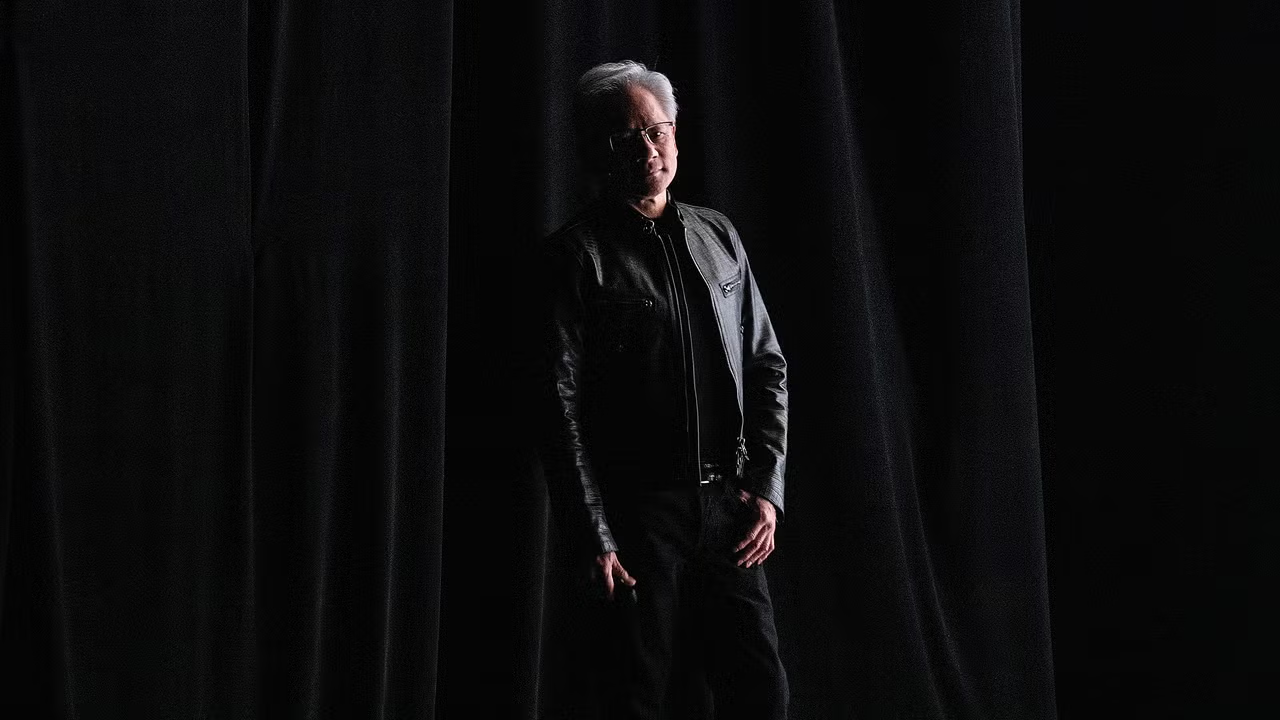
Trump Floats Apple Chairman Tim Cook as Nvidia Leadership Successor
President Donald Trump suggests on Truth Social that Apple Chairman Tim Cook is the sole executive qualified to succeed Jensen Huang at Nvidia.
EXECUTIVE BRIEF // KEY TAKEAWAYS
President Donald Trump suggests on Truth Social that Apple Chairman Tim Cook is the sole executive qualified to succeed Jensen Huang at Nvidia.
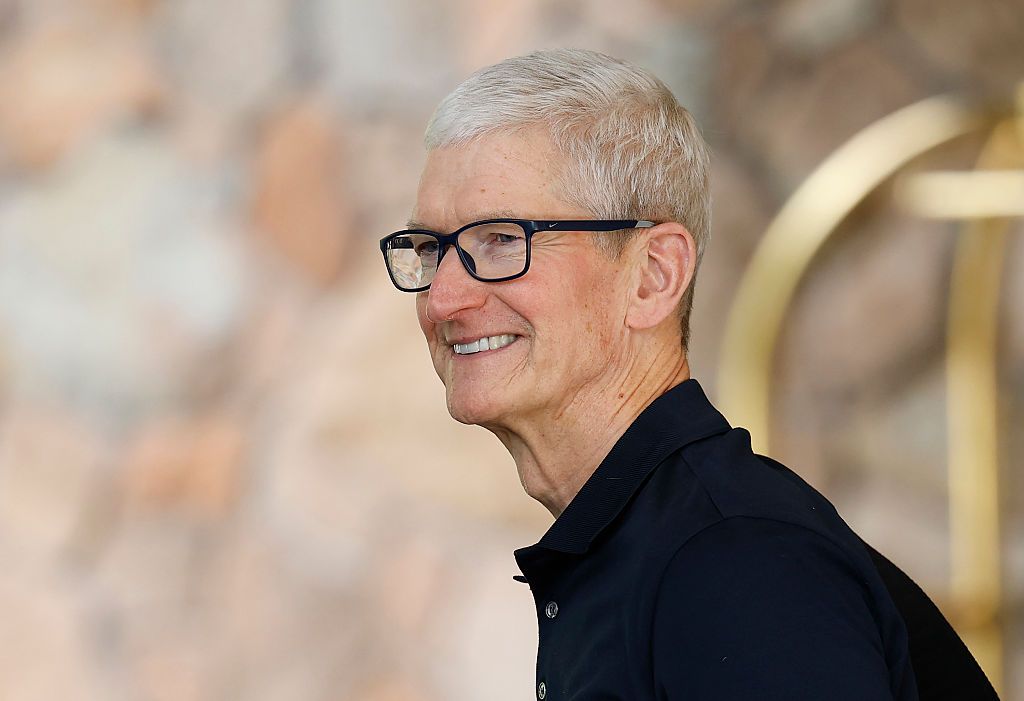
President Donald Trump has publicly suggested that Apple Chairman Tim Cook is the only executive capable of succeeding Jensen Huang at the helm of semiconductor giant Nvidia, according to a report by TechCrunch citing a post on Truth Social. The statement places two of the technology industry's most consequential hardware figures at the center of political commentary regarding executive succession and American industrial leadership.
While the remarks carry no formal governance authority over either publicly traded corporation, presidential commentary directed at leadership transitions within the world's largest semiconductor and consumer electronics enterprises highlights the intensifying intersection between federal policy and corporate governance. Both Nvidia and Apple occupy foundational positions in global supply chains, enterprise computing infrastructure, and capital market valuations, making any public discussion of their executive continuity a matter of close scrutiny for institutional investors and technology analysts.
Political Commentary and Executive Continuity
According to TechCrunch, Trump used his Truth Social platform to state that only one individual could take Jensen Huang's place as the head of Nvidia, naming Tim Cook, identified in the report as Apple's chairman. The comment arrives amid elevated focus from Washington on domestic semiconductor manufacturing, artificial intelligence infrastructure, and the strategic stewardship of major United States technology firms.
Jensen Huang, who co-founded Nvidia and has served as its chief executive officer throughout its transformation from a graphics chip designer into the primary hardware supplier for global artificial intelligence data centers, remains closely identified with the company's strategic roadmap and engineering culture. Similarly, Tim Cook's decades-long tenure at Apple has been defined by global supply chain architecture, operational discipline, and sustained negotiations with both domestic and international regulators.
In a post on Truth Social, President Trump asserted that only Tim Cook could step into Jensen Huang's role leading Nvidia, as reported by TechCrunch.
Operational Profiles and Semiconductor Industry Context
The juxtaposition of Cook and Huang underscores two distinct models of technology leadership within the hardware ecosystem. Under Huang, Nvidia has focused on accelerated computing architectures, proprietary software ecosystems, and rapid product release cycles tailored for hyperscale cloud providers and enterprise artificial intelligence workloads. Conversely, Cook's executive track record at Apple has centered on vertically integrated consumer hardware, custom silicon transitions, and high-volume global manufacturing logistics.
For capital markets and corporate governance observers, succession planning at mega-cap technology companies represents a critical institutional metric. Board committees at major semiconductor and hardware manufacturers typically manage leadership continuity through internal executive development and multi-year transition frameworks rather than external cross-industry appointments. Neither Nvidia nor Apple has announced an executive cross-appointment in connection with the Truth Social post cited by TechCrunch.
Furthermore, both enterprises rely heavily on advanced foundry partnerships and international trade frameworks that are directly sensitive to federal executive branch policies, including tariff regimes, export controls on advanced computing semiconductors, and domestic industrial subsidies. Public statements by the president referencing specific corporate leaders often reflect broader administrative focus on how flagship American technology companies align with national economic and industrial priorities.
Strategic Outlook for Corporate Governance
Looking ahead, market participants and corporate boards are expected to treat the Truth Social remarks primarily as political signaling rather than an indicator of imminent boardroom changes at Nvidia. Institutional shareholders continue to evaluate semiconductor and hardware companies based on product execution, supply chain resilience, and long-term internal succession readiness.
Nevertheless, the commentary reinforces the degree to which the chief executives and board chairs of dominant computing firms remain visible figures in national policy discussions. As federal scrutiny over artificial intelligence infrastructure and hardware supply chains continues, direct engagement between the executive branch and Silicon Valley leadership will remain a central factor shaping the regulatory environment for the technology sector.