Tesla to Wind Down Cybertruck Line in Texas for Cybercab Ramp
Tesla plans to phase out Cybertruck manufacturing in Texas next year to reallocate capacity toward its autonomous Cybercab program, following niche sales.
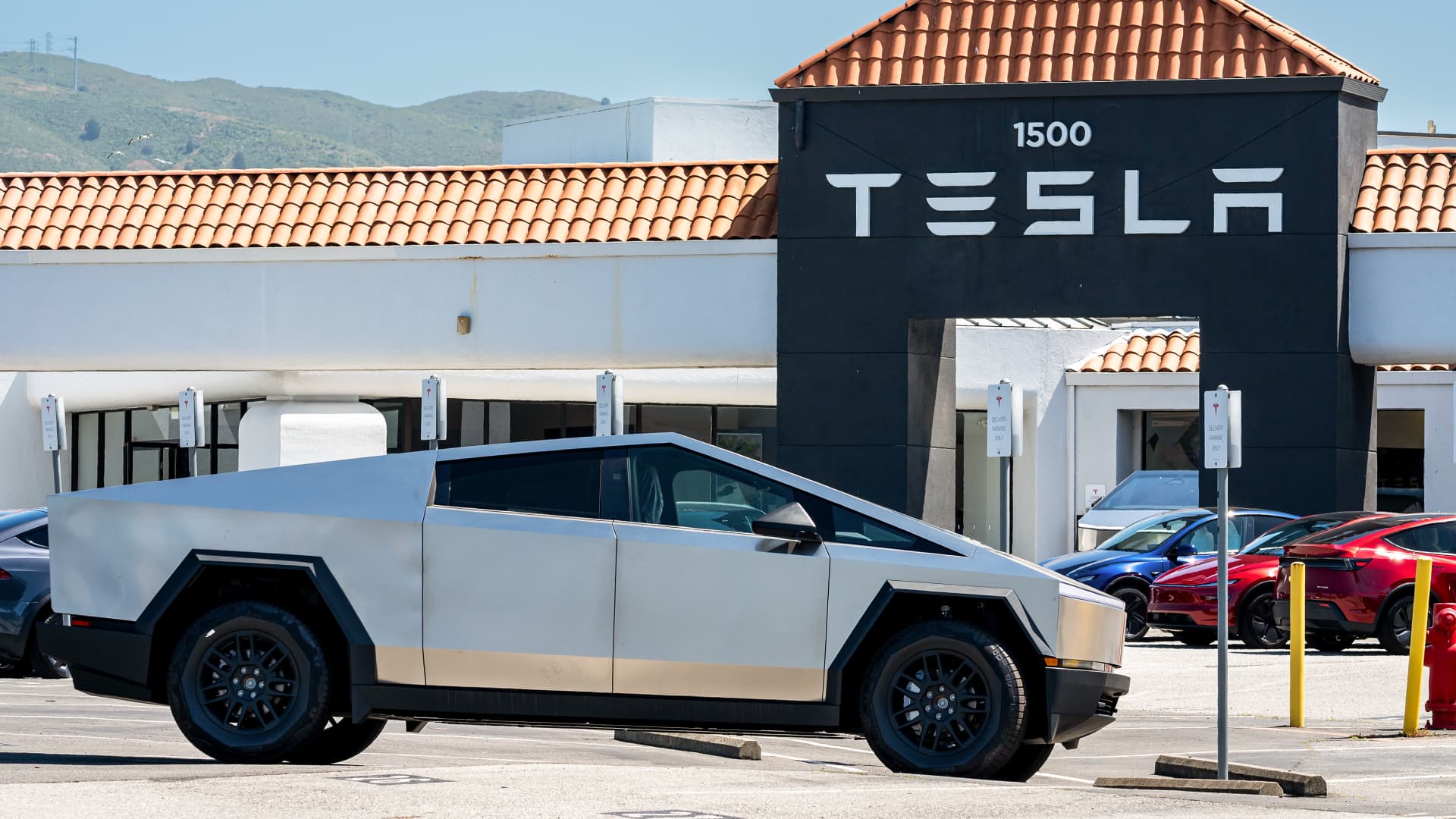
Tesla plans to wind down production of its Cybertruck electric pickup in Texas next year as the automaker reallocates manufacturing capacity to ramp up its upcoming Cybercab program, according to comments from Chief Executive Elon Musk reported by CNBC Business. The strategic manufacturing shift marks a pivotal transition for the Austin facility, redirecting assembly resources away from the stainless-steel pickup truck after the vehicle captured only a niche buyer following rather than achieving broad mass-market sales volumes. Since entering commercial production, the Cybertruck program has also navigated multiple voluntary safety recalls, prompting executives to prioritize next-generation autonomous mobility platforms over specialized consumer utility vehicles.
For global automotive markets and capital allocators, the decision underscores a broader capital reallocation across the electric vehicle sector away from capital-intensive, low-volume hardware toward scalable autonomous fleet architectures. By repurposing Texas production lines for the Cybercab, Tesla is signaling to institutional investors that its long-term valuation and margin expansion depend more heavily on automated ride-hailing ecosystems than on competing within the traditional North American full-size pickup segment. The move also highlights the operational difficulties of scaling unconventional vehicle architectures when consumer demand remains concentrated among early adopters.
From Polarizing Launch to Niche Market Reality
According to reporting from CNBC Business, the Cybertruck and its polarizing angular exterior design succeeded in establishing a dedicated niche following among brand enthusiasts, but ultimately fell short of delivering mass-market sales numbers. In addition to softer-than-anticipated commercial adoption, Tesla has issued several voluntary recalls covering the vehicle since deliveries began, adding post-production engineering and service complexity to a manufacturing program already defined by unconventional materials and tooling requirements.
The decision to wind down Cybertruck assembly in Texas in favor of the Cybercab reflects a decisive pivot from specialized consumer pickups toward high-utilization autonomous transit hardware.
Within the broader automotive industry, full-size pickup trucks typically serve as high-margin volume anchors for domestic manufacturers. However, the Cybertruck's distinct design and specialized manufacturing processes limited its crossover appeal to traditional commercial fleet buyers and mainstream retail consumers. Rather than sustaining underutilized factory lines or committing additional capital to redesign a niche platform, Musk indicated that Texas plant operations will transition next year to support the production ramp of the Cybercab.
Operational Reallocation and Manufacturing Impact
Shifting assembly footprints inside Tesla's Texas manufacturing complex carries substantial operational and financial implications for the company's supply chain and capital expenditure schedule. Winding down an active vehicle line requires restructuring supplier contracts for specialized stamped components, recalibrating body-in-white robotics, and retooling general assembly stations to accommodate a compact, purpose-built autonomous vehicle platform. By consolidating these changes within the existing Texas footprint rather than constructing greenfield facilities, Tesla aims to optimize factory utilization rates and control fixed overhead costs during the transition period.
The recurring voluntary recalls linked to the Cybertruck further complicated the operational economics of the program. Each recall action requires engineering remediation, service center labor allocation, and component replacements that weigh on per-unit profitability. When combined with niche sales volumes that prevent the amortization of heavy upfront tooling investments across hundreds of thousands of units annually, the financial rationale for reallocating factory floor space to the higher-priority Cybercab initiative became increasingly clear to corporate planners.
Strategic Outlook and Execution Milestones
Looking ahead to next year, market analysts and industry observers will closely monitor the execution timeline of the Texas plant conversion and the subsequent manufacturing ramp of the Cybercab. Transitioning a major automotive assembly line involves temporary production downtime, workforce retraining, and complex supply chain synchronization. Furthermore, scaling a dedicated autonomous cab fleet introduces distinct regulatory and commercialization hurdles compared to selling conventional passenger vehicles directly to retail buyers.
As Tesla prepares to wind down Cybertruck output in Texas, the company faces the dual challenge of managing ongoing warranty and recall support for existing Cybertruck owners while validating high-volume production processes for the Cybercab. How effectively the automaker executes this factory retooling next year will serve as a primary benchmark for its ability to pivot from specialized consumer hardware to commercialized autonomous mobility at scale.