Tesla Model Y Standard Range Delivery Highlights Repeat EV Adoption
CleanTechnica details the transition from a 2019 Tesla Model 3 to a 2027 Model Y Standard Range, illustrating brand retention in the EV sector.
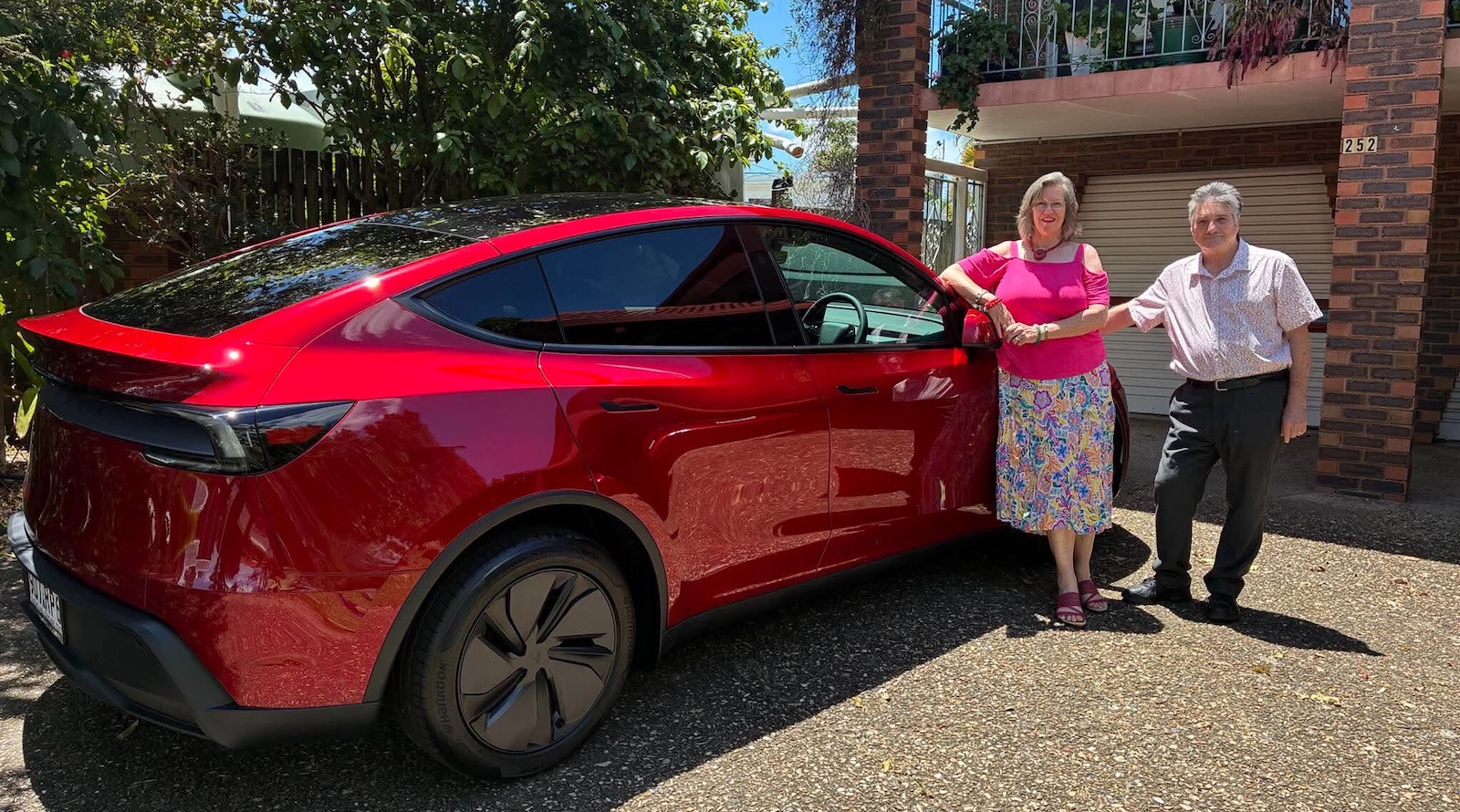
A recent vehicle delivery report published by CleanTechnica documents the acquisition of a new 2026-build, 2027-model-year Tesla Model Y Standard Range, highlighting the dynamics of repeat consumer adoption within the passenger electric vehicle market. The new crossover, nicknamed REDD by its owners in a nod to the motion picture of the same name, enters service alongside an existing 2019 Tesla Model 3 that continues to operate without mechanical or functional issues.
The transition from first-generation mass-market electric sedans to newer compact electric sport utility vehicles represents a pivotal indicator of consumer retention and brand loyalty across the clean transportation sector. As early adopters of late-2010s battery-electric vehicles evaluate replacement or fleet-expansion purchases, the operational longevity of older hardware alongside updated production builds plays a central role in shaping market share stability for established electric automakers.
Multi-Year Ownership and Product Line Progression
According to the CleanTechnica report, the decision to acquire the 2027 Model Y Standard Range was not precipitated by any mechanical degradation or service failure in the household's existing 2019 Model 3. Rather, the authors explicitly noted that the seven-year-old electric sedan remains fully reliable and well-regarded after years of regular service. The owners playfully designated the new vehicle REDD, an acronym they adapted to signify Retired, Extremely Dangerous Drivers, reflecting the demographic participation of retiree households in the contemporary electric vehicle transition.
As mentioned previously, there is nothing wrong with our beloved 2019 Model 3.
This continuity between the 2019 Model 3 and the late-2026 production build of the Model Y underscores how longitudinal hardware reliability influences subsequent purchasing behavior. In the broader automotive retail landscape, consumer confidence in battery pack durability and powertrain resilience over a multi-year horizon serves as a foundational requirement for converting initial electric vehicle buyers into repeat brand customers.
Production Cadence and Market Segmentation
The specification cited in the CleanTechnica dispatch—a 2026 manufacturing build designated as a 2027 model year Standard Range Model Y—illustrates the ongoing standardization of entry-level trim configurations within the electric crossover segment. By offering a Standard Range variant that balances battery pack capacity against accessible upfront pricing, manufacturers seek to capture households looking for practical utility without paying a premium for maximum long-range battery chemistry.
From an economic perspective, the migration of returning customers from the sedan segment into the compact crossover category mirrors wider global automotive consumption patterns. The Model Y platform benefits from shared architectural engineering with the Model 3 while providing elevated seating geometry and expanded cargo volume, attributes that frequently appeal to maturing demographic cohorts and multi-vehicle households. Maintaining high retention rates among existing owners also reduces customer acquisition costs for manufacturers navigating an increasingly competitive global electric vehicle market.
Strategic Outlook for Fleet Retention and Secondary Markets
Looking ahead, the coexistence of functional 2019-vintage electric vehicles with newly minted 2027 model-year builds signals an important maturation phase for the clean energy transportation ecosystem. As early mass-market electric sedans surpass seven years of active road service without major defects, consumer perceptions regarding battery lifecycle risk continue to stabilize. For automakers and industry analysts, tracking the delivery experiences and long-term satisfaction of repeat buyers will remain a core metric for projecting sustainable demand growth across the late-decade electric vehicle landscape.