Tech Rout Defies Trump Threat to Tax Offshore AI Data Centers
Wall Street's dip-buying reflex stalls as tech headwinds and offshore data center tax threats prove immune to presidential intervention.
EXECUTIVE BRIEF // KEY TAKEAWAYS
Wall Street's dip-buying reflex stalls as tech headwinds and offshore data center tax threats prove immune to presidential intervention.
WASHINGTON — A relentless selloff across major technology equities deepened this week despite direct rhetorical intervention from the White House, signaling that Wall Street's long-standing playbook of buying policy-induced market dips is failing to arrest a broader valuation reset across the semiconductor and computing infrastructure sectors.
The downturn highlights a critical divergence between political rhetoric and market realities for global enterprise and capital allocation. As hyperscalers and cloud infrastructure providers commit hundreds of billions of dollars to global computing capacity, federal efforts to curtail cross-border capital expenditure risk disrupting intricate supply chains while doing little to assuage investor anxieties over elevated valuations, return on investment timelines, and macroeconomic friction.
Erosion of the White House Policy Backstop
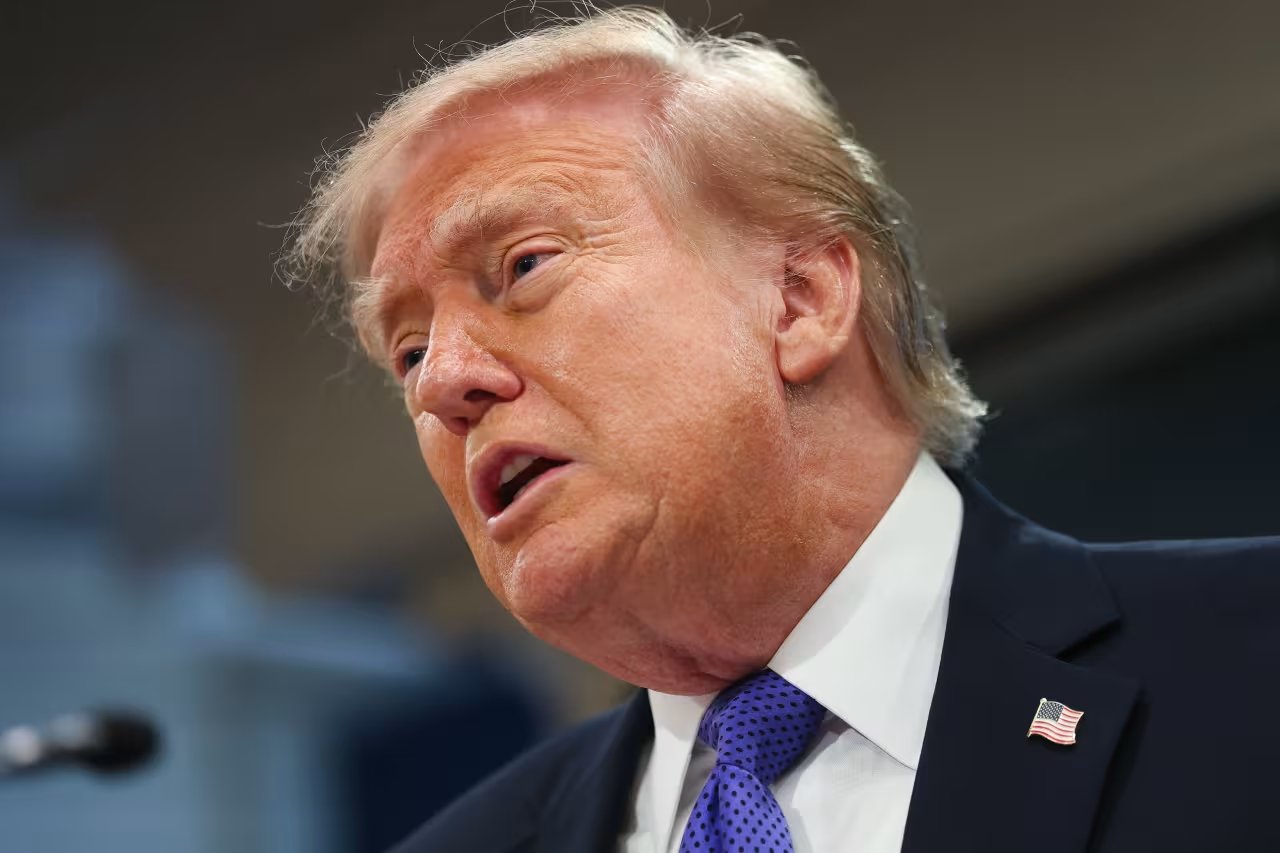
During a press briefing following an official visit to Asia, President Donald Trump escalated trade rhetoric by warning that American technology corporations constructing computing facilities abroad would face severe fiscal penalties. According to reporting from MarketWatch, Trump declared that domestic enterprises pursuing international facility expansions would be penalized, asserting:
"We're not going to allow our companies to build data centers outside of our country... If they do that, they can. But we're going to put a tremendous tax on them."
Trump specifically cited massive foreign infrastructure investments, including European computational developments such as hyperscale projects in Finland, framing the proposed measures as a geopolitical necessity to safeguard domestic technological leadership against China. However, rather than triggering a relief rally, the threat failed to halt the cascade in technology shares. The reaction punctured confidence in what financial traders colloquially refer to as the "TACO" trade—an acronym for "Trump Always Chickens Out"—in which investors routinely purchase equities during politically instigated slumps on the assumption that administration threats will be softened or rescinded once market pressure mounts.
Operational Constraints and Capital Expenditure Pressures
The inability of presidential rhetoric to reverse market sentiment underscores the fundamental nature of the current technology slump. Unlike trade spats that can be settled or deferred through executive order, the headwinds battering Silicon Valley stem from concrete economic and operational bottlenecks. Hyperscale operators including Microsoft, Alphabet, Amazon, and Meta Platforms have collectively projected capital expenditures exceeding $200 billion annually, with a substantial portion dedicated to specialized hardware, power generation, and land acquisition for artificial intelligence infrastructure.
Siting data centers outside the United States has largely been driven by necessity rather than tax avoidance, as domestic regional power grids experience acute capacity constraints, interconnection backlogs stretching up to seven years, and surging electricity tariffs. Penalizing international deployments threatens to squeeze operating margins without solving the primary domestic impediment: the physical scarcity of high-voltage transmission lines and baseload power supplies required to run gigawatt-scale computing clusters. MarketWatch reported that Trump conceded the penalty proposal had not been formalized or vetted through administration agencies, leaving institutional desks skeptical of its viability while compounding regulatory ambiguity.
Regulatory Hurdles and Strategic Market Outlook
From an institutional perspective, enacting a unilateral levy on foreign capital investments presents formidable legal and constitutional hurdles. Taxation authorities reside under the explicit purview of the U.S. Congress, meaning any punitive regime targeting overseas computing facilities would face prolonged legislative debate or protracted judicial challenges under existing international trade agreements and bilateral investment treaties.
For equity markets, the episode suggests that the tech sector's broader multiple compression cannot be resolved through executive fiat or jawboning. As institutional allocators scrutinize enterprise software monetization, prolonged payback cycles on artificial intelligence chips, and corporate governance shifts across key hardware manufacturers, Wall Street is increasingly treating policy surprises as additional risk premiums rather than catalysts for bargain hunting. Until clarity emerges regarding both domestic energy access and the concrete statutory boundaries of cross-border infrastructure mandates, technology equities are poised to trade on microeconomic fundamentals rather than political assurances.


