SOLRITE, sonnen, and ADAPT Energy Integrate VPP Breakers for Grid
SOLRITE partners with sonnen and ADAPT Energy to integrate virtual power plant circuit breakers, turning residential loads into dispatchable grid assets.
EXECUTIVE BRIEF // KEY TAKEAWAYS
SOLRITE partners with sonnen and ADAPT Energy to integrate virtual power plant circuit breakers, turning residential loads into dispatchable grid assets.
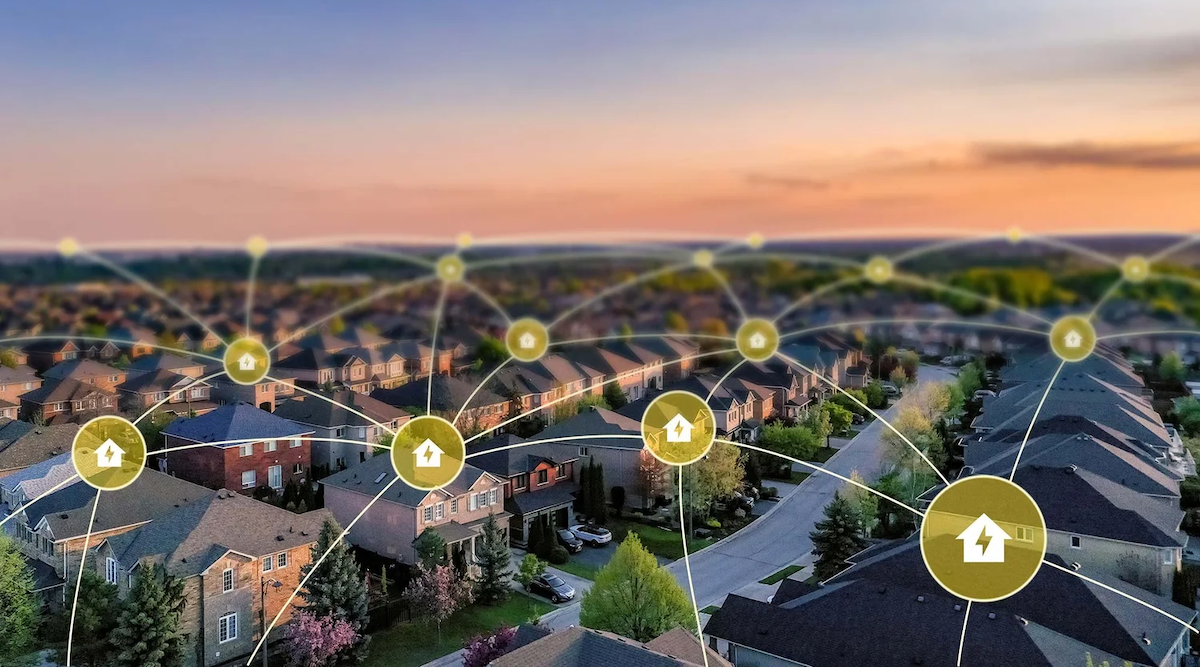
SOLRITE has unveiled a next-generation virtual power plant node developed in partnership with energy storage provider sonnen and load management specialist ADAPT Energy, integrating controllable circuit breakers to transform standard residential electrical loads into flexible, dispatchable grid assets, according to a report published by CleanTechnica. By combining ADAPT Energy's breaker-level load control technology with the existing SOLRITE and sonnen virtual power plant architecture, the integrated platform introduces granular demand-side flexibility while establishing a simpler, faster, and lower-cost pathway to whole-home backup power for residential consumers.
The convergence of behind-the-meter battery storage and circuit-level load management represents a pivotal shift in how utilities and distributed energy aggregators manage peak electricity demand. Historically, residential virtual power plants have relied primarily on discharging stored battery capacity back to the distribution network or curtailing single-point smart appliances such as smart thermostats. By extending automated control directly to the electrical panel via virtual power plant breakers, grid operators gain the ability to dynamically modulate high-consumption residential circuits alongside stationary storage, increasing the effective capacity and responsiveness of distributed energy networks without requiring expensive distribution infrastructure upgrades.
Architectural Evolution in Distributed Load Management
Traditional residential solar-plus-storage installations often face technical and financial bottlenecks when homeowners seek full-home backup capability. Supporting an entire residential electrical panel during a grid outage typically requires either oversized inverter and battery configurations or complex sub-panel rewiring to isolate essential circuits from heavy appliances such as HVAC systems, electric vehicle chargers, and water heaters. This installation complexity adds labor hours, permitting delays, and hardware expenses that can deter broader residential adoption of distributed storage systems.
As detailed in the CleanTechnica disclosure, the collaboration among SOLRITE, sonnen, and ADAPT Energy addresses this structural challenge by embedding intelligent breaker control directly into the virtual power plant node. Rather than treating household electricity consumption as a static load that must be met solely by expanding battery capacity, ADAPT Energy's control layer actively manages individual circuit breakers in real time. During off-grid backup scenarios, the system can automatically shed or stagger non-essential heavy loads to prevent inverter overload, enabling whole-home backup functionality on a streamlined hardware footprint.
Operational and Economic Impact on Virtual Power Plants
From a grid operations perspective, integrating controllable breakers into the SOLRITE and sonnen virtual power plant framework expands the dispatchable resource pool available to utility partners and wholesale market aggregators. In conventional battery-only virtual power plants, dispatchable capacity is strictly bounded by the state of charge and inverter export limits of participating home batteries. Once those storage reserves are depleted during a prolonged peak demand event, the node's contribution to grid stabilization diminishes until recharging can occur.
By incorporating ADAPT Energy's control of virtual power plant breakers, the next-generation node adds dispatchable load flexibility directly on top of sonnen's battery storage assets. Aggregators can orchestrate both energy injection from the battery and targeted load curtailment at the breaker panel simultaneously or sequentially. This dual-action capability extends the duration of grid support services during critical peak pricing windows or emergency capacity shortfalls. Furthermore, reducing the installation complexity and balance-of-system hardware required for whole-home backup lowers customer acquisition barriers, allowing virtual power plant operators to scale residential enrollment more rapidly across contested utility territories.
Strategic Outlook for Grid-Interactive Homes
The deployment of integrated storage and breaker-level control systems reflects a broader industry transition toward fully grid-interactive efficient buildings. As electrification of residential heating and personal transportation accelerates, peak winter and evening loads on neighborhood distribution transformers are projected to intensify. Distributed energy platforms that unify storage dispatch with automated circuit-level load shaping are positioned to capture greater value in utility demand response programs, capacity markets, and grid services contracts.
Going forward, the commercial scalability of next-generation virtual power plant nodes like the SOLRITE, sonnen, and ADAPT Energy platform will depend on seamless software interoperability, streamlined electrical code compliance for smart breaker installations, and regulatory frameworks that compensate homeowners fairly for both exported kilowatt-hours and verifiable load curtailment. As utilities increasingly turn to non-wires alternatives to defer substation and feeder upgrades, integrated hardware-software ecosystems that lower installation costs while maximizing dispatchable flexibility will play a central role in modernizing the residential grid edge.


