Software Gaps Undercut Apple’s $299 Next-Generation Apple TV 4K
Despite upgrading to the A19 silicon, Apple’s 2026 streaming box doubles its price to $299 without addressing core tvOS 27 software and gaming deficits.
EXECUTIVE BRIEF // KEY TAKEAWAYS
Despite upgrading to the A19 silicon, Apple’s 2026 streaming box doubles its price to $299 without addressing core tvOS 27 software and gaming deficits.
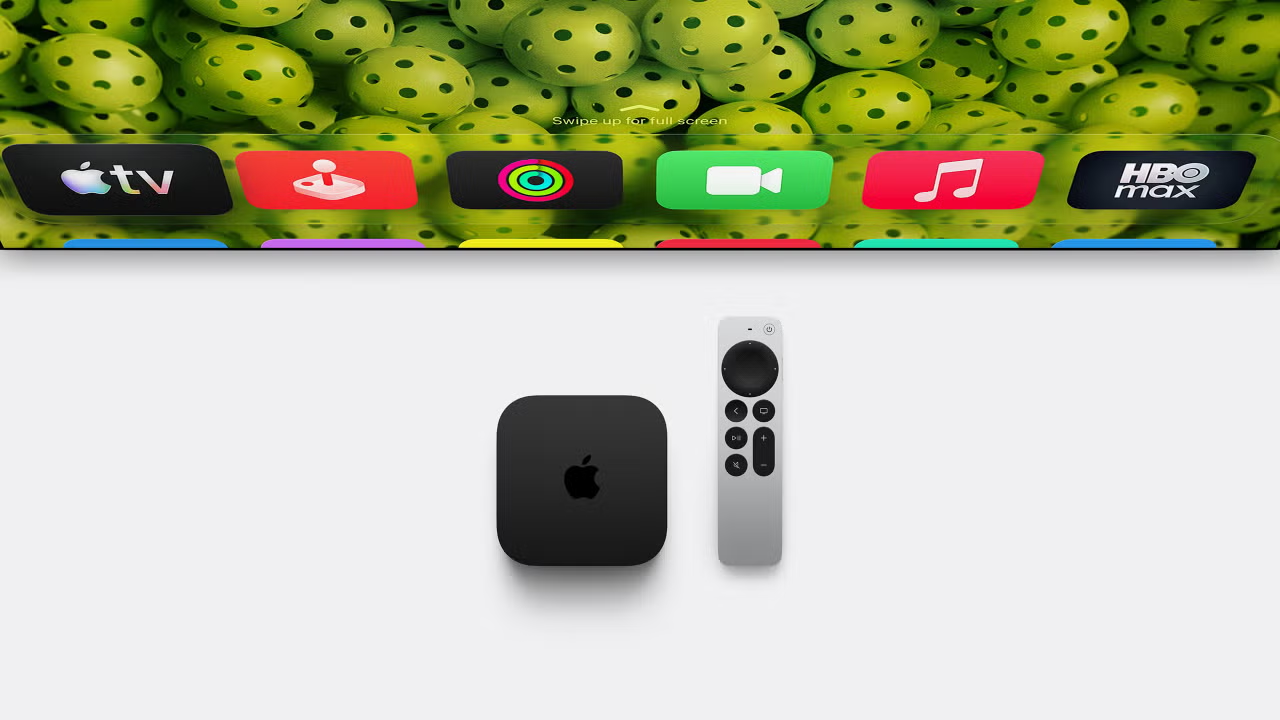
Apple launched its 2026 Apple TV 4K on Friday, November 13, equipping the updated digital media player with its A19 processor while doubling the retail price to $299. According to an analysis published by Fast Company, the hardware refresh—the first update to the product line since 2022—suffers from a pronounced disconnect between its silicon capabilities and its software ecosystem under tvOS 27. While the physical hardware and fluid video playback remain industry benchmarks against rival streaming platforms from Roku, Amazon, and Google, the absence of foundational application updates and console-grade gaming support has drawn immediate scrutiny over its value proposition at a $299 price point.
For consumer technology analysts and digital media stakeholders, the 2026 Apple TV 4K rollout highlights a broader strategic tension between hardware component inflation and software-driven ecosystem value. By doubling the price of its prior 128GB configuration from $149 to $299—a jump attributed in part to rising memory component costs across the supply chain—Apple has placed its set-top box into direct price competition with dedicated gaming hardware such as the Nintendo Switch. At this elevated tier, longstanding software omissions that consumers previously tolerated at $149 become material obstacles to hardware upgrade cycles.
Persistent Deficiencies in tvOS 27 and Ecosystem Integration
The primary software vulnerability identified in Fast Company’s evaluation centers on Apple’s native TV application, which serves as both the portal for the Apple TV streaming service and the central library for films and television series purchased through the iTunes Store. Despite adopting a updated "Liquid Glass" visual aesthetic in tvOS 27 that delivers smooth playback performance, the application continues to lack basic library management tools for users with large digital catalogs.
Specifically, the TV app still does not allow users to organize purchased films and series into custom collections. Instead, buyers remain reliant on automated genre classifications that frequently misclassify or omit purchased titles entirely. For longtime customers who have accumulated hundreds of digital films over a decade of hardware iterations, the lack of user-curated organization severely degrades the utility of the device as a primary media hub.
Beyond media library management, the 2026 model continues to omit two core first-party applications that are standard across the iPhone, iPad, Mac, and Apple Watch:
First, tvOS 27 still lacks a dedicated Home application. Even though Apple explicitly markets the Apple TV 4K as a central command hub for smart home architectures, users cannot natively open a full Home app interface on the television screen to monitor security camera feeds and manage connected appliances comprehensively. Second, the platform still omits Apple’s native Weather application. Despite television historically serving as a primary medium for local meteorological forecasts—and despite Apple’s Weather app featuring rich visual graphics well-suited for large displays—users cannot launch a dedicated weather dashboard via the Siri Remote.
The A19 Silicon Gap and Unfulfilled Gaming Ambitions
The sharpest operational critique of the November 13 release involves Apple’s decision not to pair the A19 chip upgrade with a dedicated console gaming push. Replacing the A15 processor found in the 2022 model, the A19 silicon provides substantial computational headroom capable of rendering high-end AAA video games.
As Fast Company notes, even the older and less powerful A17 Pro chip—introduced in the iPhone 15 Pro—readily supports demanding console titles including the Resident Evil 2 remake, Assassin’s Creed Mirage, Red Dead Redemption, Control: Ultimate Edition, and Grand Theft Auto: San Andreas. However, Apple announced no corresponding gaming initiatives orAAA catalog expansions alongside the A19-powered Apple TV 4K.
"At $149, these historic omissions were annoying but tolerable. At $299, they’re deal-breakers. And if you’ve got an existing Apple TV 4K, there’s no compelling reason to upgrade until Apple changes course."
Strategic Outlook for Living Room Hardware
While external supply chain pressures and elevated memory costs help explain the hardware price adjustment from $149 to $299, software parity remains entirely within Apple’s internal development control. Until Apple overhauls digital library organization inside the TV app, ports its native Home and Weather applications to tvOS, and unlocks the A19 processor for AAA gaming, owners of the 2022 Apple TV 4K face diminishing returns from upgrading. Moving forward, market adoption of the $299 tier will depend heavily on whether subsequent tvOS 27 point releases bridge the gap between the device's premium silicon and its constrained software feature set.