Retailers and Capital Markets Prepare for Thanksgiving 2026 Closures
Analysis of operating hours for major retailers, financial markets, and logistics providers during the 2026 Thanksgiving holiday.
EXECUTIVE BRIEF // KEY TAKEAWAYS
Analysis of operating hours for major retailers, financial markets, and logistics providers during the 2026 Thanksgiving holiday.
NEW YORK — As households across the United States prepare to observe Thanksgiving on the fourth Thursday of November 2026, the operational landscape of the nation's retail, financial, and logistical sectors is shifting into holiday mode. According to a comprehensive report published by Fast Company, major commercial hubs, banking institutions, and equity markets will implement widespread closures, while select essential services and select grocery chains maintain modified hours. The annual holiday, deeply rooted in national tradition and recognized as a federal holiday, prompts significant adjustments across supply chains and consumer-facing enterprises alike.
The scheduling shifts underscore a broader economic trend where major big-box retailers increasingly prioritize staff retention and holiday observance over traditional Thanksgiving Day doorbuster events. While consumers navigating last-minute culinary emergencies may find doors locked at many prominent outlets, the operational paralysis extends well beyond consumer goods into core financial and transportation infrastructure.
Financial Institutions and Capital Markets Halt Operations
For capital markets and banking institutions, Thanksgiving Day mandates a complete cessation of activity. According to the source reporting, both the New York Stock Exchange (NYSE) and Nasdaq will be closed, giving traders and investors a synchronized pause from capital gains processing. Simultaneously, the Federal Reserve and the vast majority of commercial banks will shutter their physical branches. Consumers seeking financial services are directed toward digital channels, including online banking platforms and automated teller machines located outside brick-and-mortar branches.
Logistics networks are similarly constrained. The U.S. Postal Service will suspend all mail delivery, and its physical post office locations will remain closed, save for online services and self-serve kiosks. Private couriers are mirroring these shutdowns; FedEx has confirmed that its locations will be closed with no package pick-ups or deliveries scheduled. United Parcel Service (UPS) will also suspend standard pickup and delivery operations, maintaining an exception strictly for its UPS Express Critical service. Educational institutions nationwide will observe the federal holiday, with the vast majority of schools suspending classes for the day.
Retailers Remain Closed as Grocery and Pharmacy Outlets Adjust Hours
In the retail sector, a firm boundary remains drawn between Thanksgiving Day and the subsequent Black Friday shopping period. Major retail chains including Walmart, Target, REI, Kohl’s, Dick’s Sporting Goods, and Home Depot will keep their doors closed to the public on Thanksgiving. Shoppers seeking last-minute grocery provisions will find that major regional and national chains such as Costco, Trader Joe’s, Sam’s Club, Aldi, and Publix are completely closed. However, select exceptions exist for households managing culinary necessities: Kroger has announced that its stores will remain open until 4 p.m., while Whole Foods will operate most locations on modified hours, prompting consumers to verify local schedules.
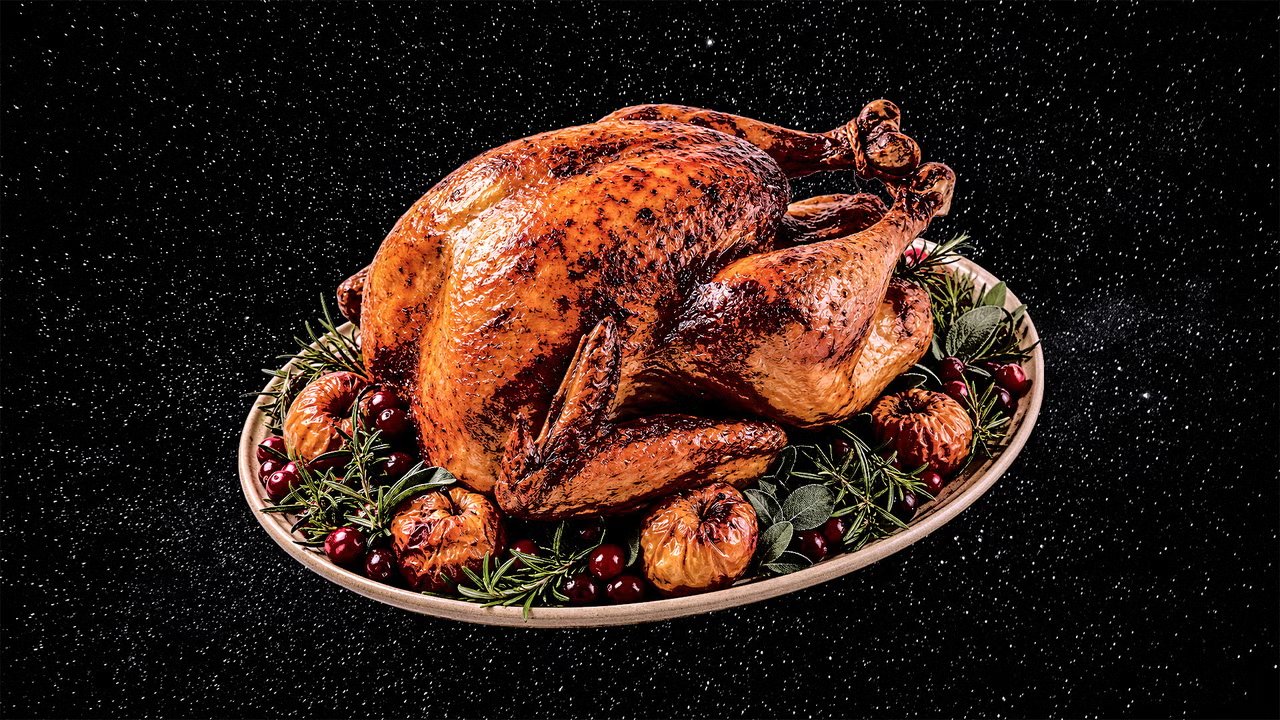
"It is probably safer to focus on turkey instead of shopping on Thanksgiving. On Black Friday, however, all bets are off." — Fast Company reporting on holiday retail schedules.
For healthcare and pharmaceutical needs, availability remains constrained but accessible. More than 4,000 Walgreens pharmacy locations are slated to remain open, though industry analysts advise consumers to confirm operational status locally before traveling to avoid service disruptions.
Cultural Events Face Weather Disruptions and Historic Milestones
Beyond commerce, the cultural cornerstone of the holiday—the Macy’s Thanksgiving Day Parade—faces historic logistical hurdles during its milestone 100th iteration, having originated in 1924 with interruptions only from 1942 to 1944 during World War II. For the first time in its history, the parade faces postponement due to a high-wind warning issued for New York City amid a severe nor'easter. When the broadcast eventually airs on NBC and streams on Peacock on Saturday, November 28, from 8:30 a.m. to 12 noon across all time zones, it will feature new balloon additions including Bluey, Hello Kitty, Joe Cool and Woodstock, and Sorcerer’s Apprentice Mickey, alongside musical performances from Natasha Bedingfield, Queen Latifah, and a condensed 10-minute Broadway medley.
Strategic Outlook and Operational Resilience
Looking ahead, the rigid uniformity of Thanksgiving Day closures highlights the resilience of automated digital infrastructure against physical holiday downtime. While physical retail and logistical arteries experience a designated 24-hour dormancy, the reliance on digital banking infrastructure, automated fulfillment networks, and online customer service portals continues to expand. Enterprise leaders across retail and logistics must balance increasingly stringent labor expectations with consumer demand, a calculus that points firmly toward maintaining Thanksgiving Day retail shutdowns as a permanent structural norm heading toward the end of the decade.


