Policy Paradoxes Raise Questions Over Future U.S. EV Strategy
CleanTechnica examines the ongoing tensions between political rhetoric on clean technologies and the practical trajectory of U.S. electric vehicle policy.
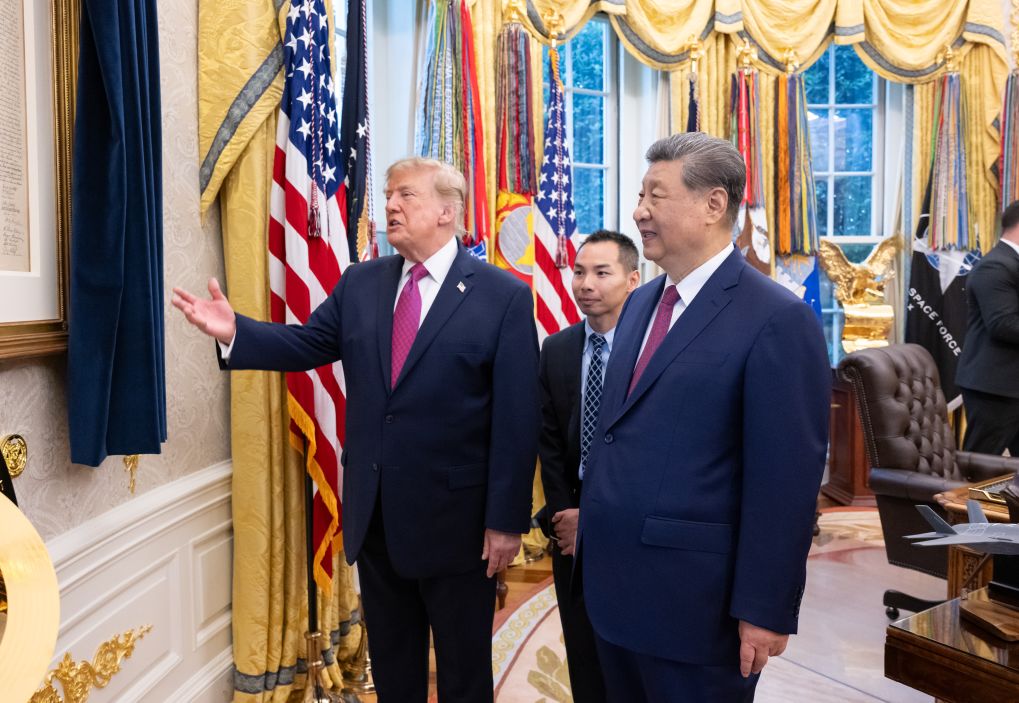
Renewed analysis of executive branch positioning has spotlighted a persistent policy paradox surrounding the Trump presidency and its complex relationship with the domestic electric vehicle sector, according to a report published by CleanTechnica. Despite longstanding political rhetoric directed against clean energy technologies—specifically targeting wind power, solar power, electric vehicles, and energy-efficient appliances—commentators are evaluating whether the administration could paradoxically reignite a broader push supporting electric vehicle deployment and manufacturing initiatives.
For global capital markets, automotive manufacturers, and clean energy supply chains, the interplay between executive rhetoric and actual policy execution represents a critical variable in long-term capital allocation. As legacy automakers and dedicated electric vehicle producers calibrate multibillion-dollar investments in domestic battery fabrication, charging infrastructure, and assembly retooling, shifts in federal posture carry immediate implications for industrial planning and regulatory compliance across the North American automotive market.
Rhetoric Versus Industrial Reality in Clean Technology
CleanTechnica highlights that the current political landscape reflects a continuation—and expansion—of ironies first observed during the first Trump presidential term. Throughout both campaigns and administrative tenures, public messaging from the executive branch has frequently expressed skepticism toward clean technology mandates and renewable power generation. That criticism has consistently grouped electric vehicles alongside wind turbines, solar arrays, and federal efficiency standards for household and commercial appliances as targets of regulatory rollback.
However, the analysis notes that beneath the surface of overt opposition to green energy transitions, practical actions and political alliances have intermittently resulted in substantial momentum or unexpected promotional support for segments of the electric vehicle ecosystem. This divergence between public opposition to clean tech mandates and simultaneous engagement with domestic electric vehicle production underscores the complex political economy surrounding modern American industrial policy.
Economic and Operational Implications for the Energy Transition
The ambiguity surrounding executive action on electric vehicles forces enterprise leaders and institutional investors to separate political signaling from concrete market drivers. Within the broader clean energy and climate technology sector, wind power, solar power, energy-efficient appliances, and electrified transportation are increasingly interconnected through grid modernization and domestic manufacturing supply chains. When federal policy sends mixed signals—criticizing renewable generation and efficiency standards while potentially backing selective electric vehicle initiatives—energy planners face heightened uncertainty regarding grid load forecasting and infrastructure readiness.
Furthermore, automotive executives must navigate an environment where consumer adoption incentives, domestic content requirements, and trade protections may shift independently of broader climate policy goals. Even when clean technologies face rhetorical headwinds, underlying economic imperatives—such as competing with international automotive manufacturers, securing domestic industrial jobs, and maintaining technological leadership—can compel administrations to support key electric vehicle initiatives in practice.
Strategic Outlook and Regulatory Considerations
Looking ahead, industry observers and market participants will closely monitor federal regulatory agencies and executive announcements for concrete indicators of whether a renewed electric vehicle push will materialize. Key areas of scrutiny include the administration's handling of federal fleet procurement, charging network funding disbursements, tailpipe emissions frameworks, and tariff structures affecting imported vehicles and battery components.
Ultimately, as highlighted by CleanTechnica's assessment of the administration's track record, the trajectory of the United States electric vehicle market will depend on how these competing political and industrial priorities are reconciled. Until definitive policy measures clarify the administration's long-term stance, energy and transportation stakeholders must prepare for a regulatory environment defined by sharp contrasts between public rhetoric and industrial execution.