OLED Screen Size Surge Triggers Nausea and Viewing Fatigue
Consumer reports and technical tests show massive OLED upgrades can trigger motion sickness and ocular strain, highlighting limits in living room ergonomics.
EXECUTIVE BRIEF // KEY TAKEAWAYS
Consumer reports and technical tests show massive OLED upgrades can trigger motion sickness and ocular strain, highlighting limits in living room ergonomics.
As consumer demand for high-end home entertainment hardware pushes living room displays to record proportions, the convergence of expansive panel geometry and high-contrast display architectures is creating unanticipated physiological friction for adopters. A technical assessment published by TechCrunch reveals that rapid transitions to large-format displays—specifically 65-inch and larger organic light-emitting diode (OLED) units—are inducing acute motion sickness, disorientation, and ocular fatigue among buyers. The findings highlight emerging ergonomic and sensory limits as consumer electronics manufacturers attempt to scale panel dimensions to defend hardware profit margins.
For global display manufacturers and consumer hardware vendors, these physical reactions represent a strategic point of consumer friction. Leading television brands, including LG Electronics, have positioned OLED panels as the flagship standard for home entertainment, using self-illuminating pixels to deliver superior contrast, deeper black levels, and precise image control compared to traditional back-lit LED displays. Yet, as household upgrade cycles leap past conventional 55-inch form factors toward 65-inch and 85-inch screens, sensory intensity and visual field saturation are testing user comfort and raising questions regarding post-purchase satisfaction and retail returns.
Physiological Disruption and Consumer Reports
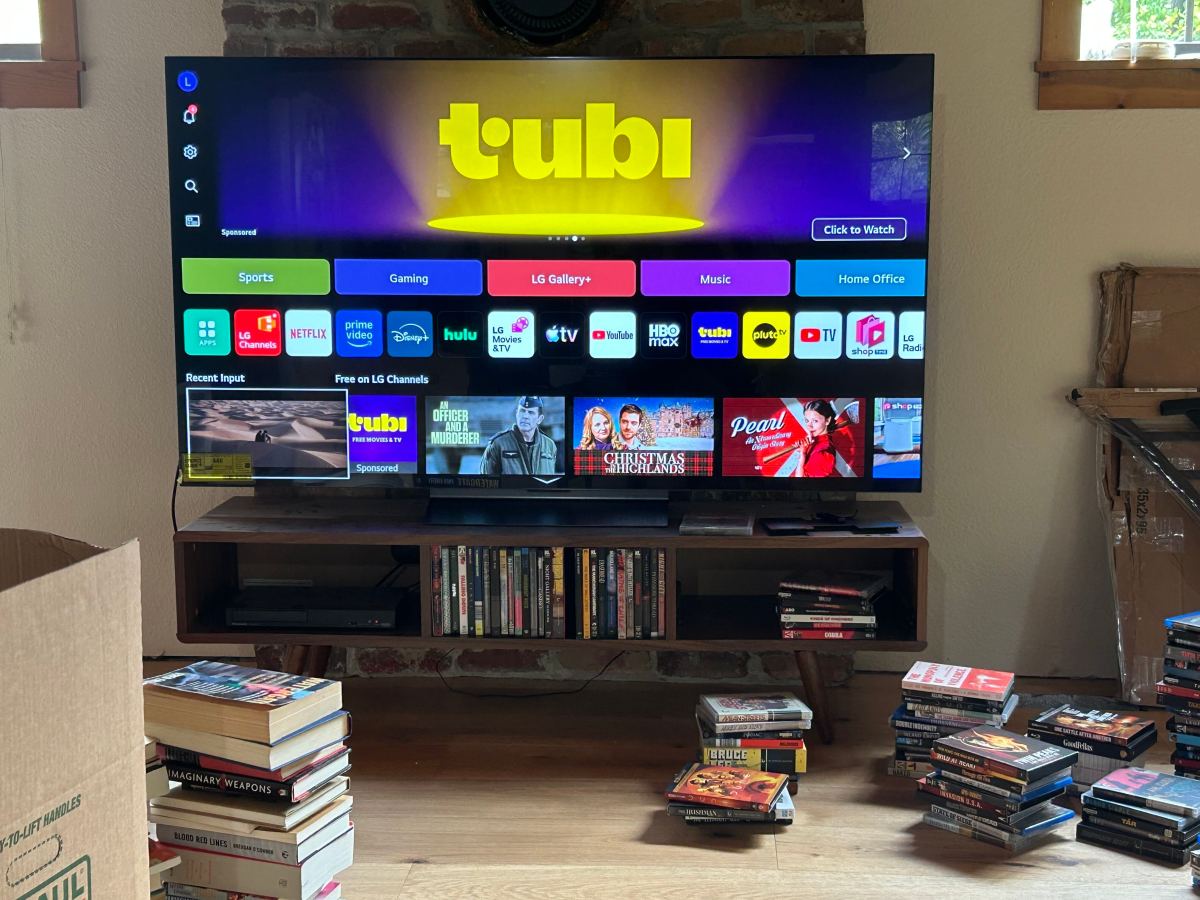
The TechCrunch report documented an upgrade transition from a standard 55-inch TCL smart television to a 65-inch LG evo C4, a mid-range OLED model introduced in 2024. While the display rendered exceptional dynamic range and color nuance during high-definition 4K Blu-ray playback, the viewer experienced sudden, debilitating nausea that persisted for hours before developing into a tension headache. Notably, the reaction occurred despite the viewer observing the screen from a distance of nine feet, an interval aligned with established home theater viewing distance recommendations.
Public consumer forums reflect similar physiological complaints among recent purchasers. Community discussions across Reddit indicate widespread reports of ocular strain and motion-induced illness following upgrades to expansive, high-refresh panels. One purchaser of an LG C2 OLED television recounted:
"I got the tv yesterday and still feel sick today. Feel light headed and nauseous a day later. Thinking about taking it back. Is this normal? I’m scared to turn the thing on lol."
Additional reports cited in the investigation described comparable issues on even larger hardware. An owner of an 85-inch TCL panel reported domestic concern over the screen's sheer size, noting his spouse concluded that "it’s too big and say that she feels sick watching. Is that a thing that a screen can be too big?"
Technical Variables: Luminance, Software, and Saccadic Motion
Industry observers and consumers have debated multiple underlying variables behind the distress, ranging from motion interpolation software to panel luminance. While motion-smoothing settings are widely criticized in display forums for generating an unnatural visual cadence, the TechCrunch assessment confirmed that the debilitating nausea manifested even when motion-smoothing features were entirely disabled.
Display luminance has emerged as a secondary factor under scrutiny. OLED panels achieve distinct visual impact by maximizing dynamic range, producing intense specular highlights juxtaposed with true blacks. Operating tests involving a reduction in panel brightness to roughly 50 percent produced inconclusive relief, suggesting that panel illumination alone does not account for the vestibular disturbance.
Instead, visual ergonomics points toward saccadic eye movement and peripheral tracking across large physical areas. On a 65-inch display, a viewer's focal vision cannot capture the entire frame simultaneously. The human eye must continually scan disparate sectors of the panel to process kinetic scenes. This rapid optical tracking generates sensory feedback similar to viewing moving terrain through a moving vehicle's window, producing visual-vestibular conflict before the brain adapts.
Strategic Outlook for Large-Format Display Markets
Although the TechCrunch review noted that ocular adaptation occurred after several days of exposure, enabling the nausea to fully dissipate, the initial physical barrier presents operational challenges for consumer electronics distributors. In a competitive hardware landscape where retail margins depend on migrating consumers to premium screen sizes, severe initial discomfort risks driving product returns and depressing consumer satisfaction ratings.
As manufacturers expand production lines for ultra-large OLED and micro-LED panels, technical standards bodies and hardware engineering teams face pressure to address physiological ergonomics. Future hardware iterations and smart television operating systems may increasingly incorporate progressive onboarding calibration, gradual field-of-view scaling, and automated brightness ramping to mitigate sensory shock during early consumer adoption cycles.


