Nvidia’s Rise Tests Investor Ethics and Portfolio Growth
Jensen Huang's return to Nvidia drives massive 401(k) gains, sparking an ethical debate among investors balancing returns with corporate power.
EXECUTIVE BRIEF // KEY TAKEAWAYS
Jensen Huang's return to Nvidia drives massive 401(k) gains, sparking an ethical debate among investors balancing returns with corporate power.
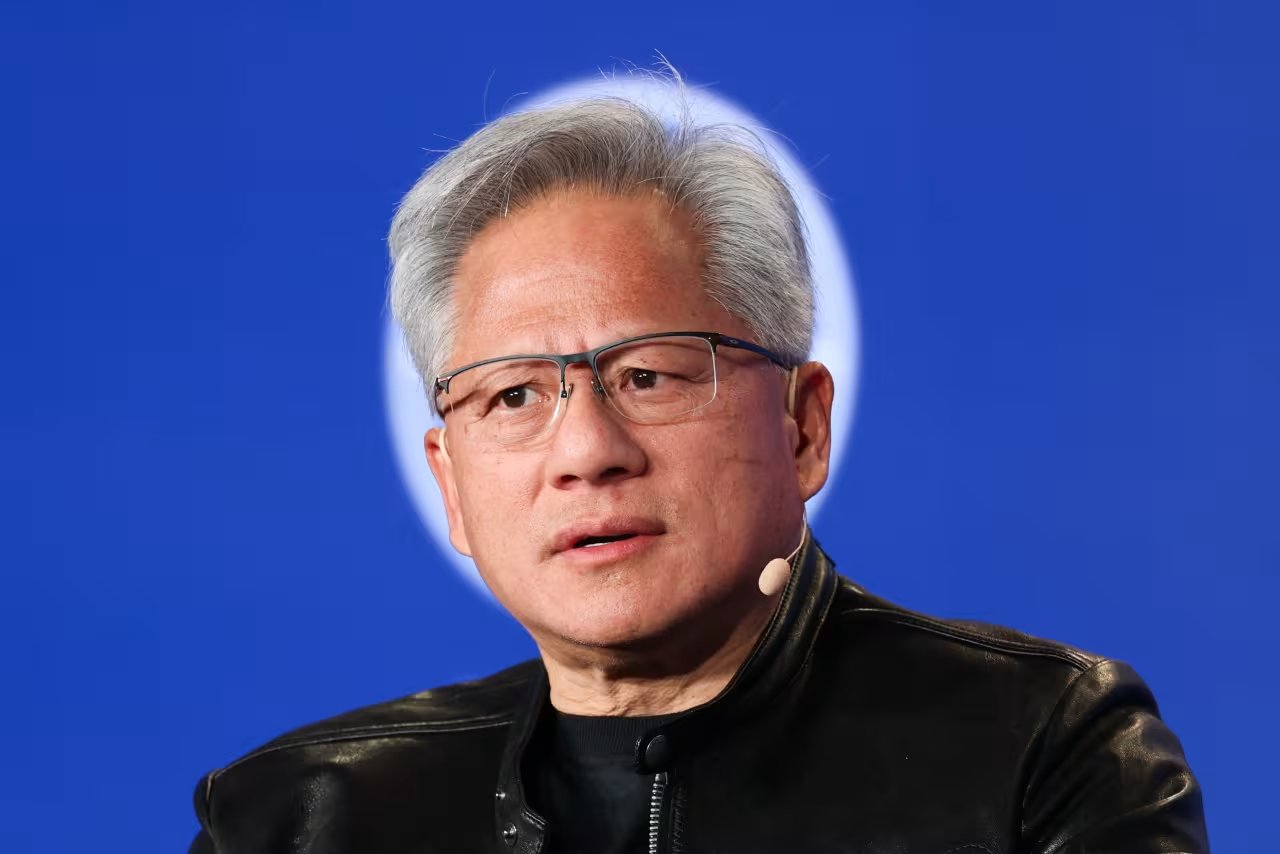
The spectacular resurgence of Nvidia Corp. under Chief Executive Jensen Huang has triggered a complex financial and moral reckoning for retail and institutional investors alike, according to analysis published by MarketWatch. While the semiconductor giant's dominant positioning in the artificial intelligence hardware market has delivered unprecedented gains to retirement portfolios, it has simultaneously reignited long-standing debates regarding corporate concentration, market monopolization, and the inherent tension between personal wealth accumulation and broader socioeconomic anxieties. As market indices become increasingly tethered to a handful of mega-cap technology entities, investors find themselves confronting an uncomfortable duality: celebrating record portfolio milestones while wrestling with unease over the systemic influence wielded by executive leadership in the modern technology ecosystem.
For global enterprise and capital markets, the phenomenon underscores a critical structural shift in how retirement savings are generated and sustained. In an era defined by rapid technological disruption, broad-market index funds have become structurally dependent on the fortunes of specialized semiconductor designers and AI infrastructure providers. Consequently, the performance of an individual's 401(k) is now inextricably linked to the strategic execution, supply chain resilience, and public reception of singular corporate figures like Huang. This dynamic forces market participants to evaluate whether exceptional capital appreciation justifies the potential systemic vulnerabilities introduced by hyper-concentrated market capitalization, where a downturn in a single sector could reverberate across millions of individual retirement accounts.
The Dual Reality of Mega-Cap Dependence
MarketWatch analysis highlights that the discomfort many observers feel is not merely philosophical, but rooted in the practical realities of modern portfolio management. Maintaining disciplined investment strategies often requires separating personal sentiment regarding corporate dominance from the cold calculus of asset accumulation. As cited in the source publication, the philosophy that "doing nothing and maintaining an even temperament is often the work of gods" serves as a guiding maxim for long-term investors navigating periods of extreme market volatility driven by technological revolutions.
Despite qualms surrounding the outsized market power commanded by Nvidia and its peers, the sheer velocity of wealth creation is difficult for everyday savers to ignore. Institutional inflows into technology-heavy index funds have accelerated, transforming corporate success in accelerated computing into a primary engine for middle-class wealth preservation. This creates a profound psychological friction: investors who harbor reservations about the societal impacts of rapid AI commercialization find themselves financially rewarded by the very trends they view with skepticism.
Economic Momentum and Portfolio Resilience
Quantifying this impact reveals why the tension persists among capital allocators. Nvidia's exponential scaling has consistently beaten earnings consensus estimates, pushing the company to historic market valuations and propelling broader equity indexes upward. For the average 401(k) holder, these gains have cushioned against inflationary pressures and broader macroeconomic uncertainties. However, financial advisors emphasize that this reliance exposes retirement portfolios to heightened concentration risk.
When a disproportionate share of market returns originates from a single industry—or, more specifically, a handful of dominant firms—portfolios lose the traditional diversification benefits designed to protect against sector-specific shocks. Economic assessments indicate that while Huang's strategic pivot toward accelerated computing has successfully captured the global demand for generative AI training infrastructure, the sustainability of these margins remains subject to future capital expenditure cycles by major cloud service providers and enterprise clients.
Strategic Outlook and Long-Term Implications
Looking ahead, market strategists anticipate that the ethical dilemma surrounding mega-cap technology holdings will only intensify as artificial intelligence integrates deeper into the global economy. Regulatory scrutiny regarding market dominance, supply chain bottlenecks, and intellectual property rights will likely shape the trajectory of firms like Nvidia in the coming quarters. Investors must continuously weigh the imperative for portfolio growth against the broader socioeconomic implications of market consolidation.
Ultimately, the discourse captured by MarketWatch serves as a microcosm for modern investing: a delicate balancing act where passive wealth generation frequently intersects with active moral deliberation. As capital markets evolve under the influence of transformative technologies, market participants are compelled to reconcile the desire for robust retirement security with the complex realities of corporate power in the twenty-first century.


