North Carolina Town Seeks Data Center Waste Heat in Landmark Deal
Enfield, North Carolina, is leveraging utility approvals to turn a proposed data center into a municipal clean-heat network, pioneering a new US blueprint.
EXECUTIVE BRIEF // KEY TAKEAWAYS
Enfield, North Carolina, is leveraging utility approvals to turn a proposed data center into a municipal clean-heat network, pioneering a new US blueprint.
ENFIELD, N.C. — As public resistance to power-intensive computing infrastructure influences municipal elections and utility agendas across the United States, a small rural township in North Carolina is pursuing a novel alternative: compelling an incoming artificial intelligence data center operator to redirect its thermal exhaust into a municipal heating network.
The negotiations between the municipality of Enfield and developer Quiet Data Centers highlight a potential strategic shift for the global technology industry and capital markets. With hyperscale facilities encountering fierce backlash across multiple states over strained power grids and natural resources, the North Carolina venture offers a high-stakes test case for converting computing exhaust into a viable community utility asset.
Municipal Leverage and the Push for Community Benefits
In recent elections across Ohio, Texas, and the Carolinas, growing constituent apprehension over hyperscale data center construction has become a potent political catalyst. Voters have increasingly pushed back against the massive computer warehouses, citing rapid increases in electric utility bills, grid volatility, and intense local water consumption. Rather than imposing an outright moratorium, Enfield municipal officials elected to deploy their statutory authority over infrastructure access.
Wyoming-based Quiet Data Centers acquired a 251-acre parcel in Halifax County, outside Enfield’s municipal boundary, to build a 100,000-square-foot facility designated as Project Q. However, the commercial operation requires access to Enfield’s municipal wastewater network. Enfield Mayor Mondale Robinson utilized that requirement as bargaining leverage, declining standard annexation or utility interconnection until the developer committed to negotiating an enforceable community benefits agreement.
"Don't be NIMBY—be hell yeah, you can come to my community, but you're going to play on my terms,"
Robinson said regarding the community's negotiation strategy, as reported by Canary Media. Enfield, a predominantly Black community of approximately 2,000 residents, has historically contended with elevated energy burdens and underinvestment. Robinson and municipal leaders took the position that incoming technology developers must tangibly strengthen local economic and public welfare rather than merely extract resources.
Engineering Thermal Networks and Project Economics
Under the civic framework under negotiation, the data center developers would finance Enfield’s broader $16.2 million municipal clean energy transition. The linchpin of this capital expenditure is a district thermal energy network—also known as an ambient loop or shallow geothermal network—engineered to capture low-grade thermal waste directly from server cooling racks.
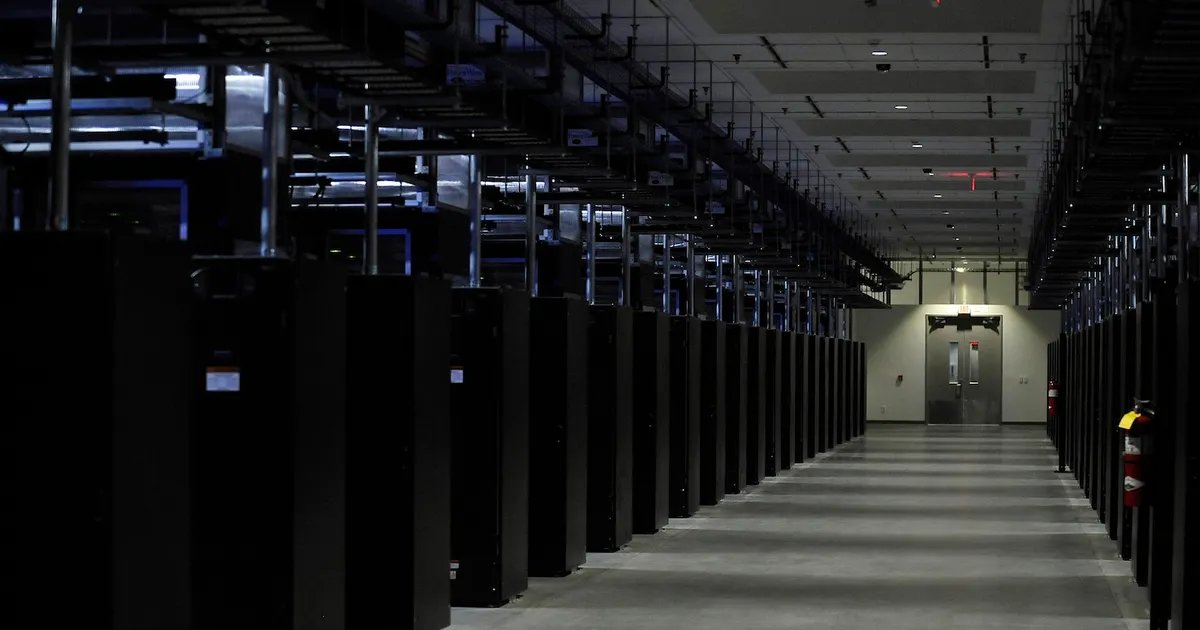
Modern high-density data centers typically discharge immense quantities of low-temperature heat directly into the atmosphere through mechanical chiller circuits or evaporative cooling towers. Under Enfield’s planned network, that residual thermal energy is transferred to a circulating liquid loop. Distributed heat pumps then elevate the water temperature to supply domestic space heating and hot water to residential, civic, and commercial buildings.
In addition to the thermal distribution network, Enfield’s $16.2 million energy blueprint includes a dedicated solar generation facility and a new electrical substation intended to insulate the town from wholesale price shocks. In eastern North Carolina, where low-income households often shoulder significant heating bills due to inefficient electric resistance or propane units, recaptured server heat could deliver lasting operational savings.
Project representatives have confirmed that substantive discussions remain underway to channel the facility's surplus thermal energy into local community applications. While data center district heating networks operate in northern European markets such as Finland and Sweden, successful execution in Enfield would represent the first municipal waste-heat transfer network connected to a commercial data center in the United States.
Strategic Implications and Regulatory Hurdles
The Enfield initiative arrives at a critical juncture for commercial data center developers and infrastructure investment funds. Grid operators and regional utilities are projecting unprecedented demand surges over the coming decade, prompting local governments to reassess whether tax incentives offered to technology conglomerates deliver sufficient public value.
If finalized into an enforceable legal pact, the Enfield template could establish a national precedent for municipal negotiations across rural industrial corridors. Rather than treating hyperscale facilities purely as isolated industrial compounds, local authorities may increasingly require developers to underwrite microgrid resilience, subsidize clean power generation, and connect thermal exhaust to civic districts.
Formidable technical and regulatory milestones remain before thermal energy reaches Enfield households. Routing ambient thermal piping through existing public rights-of-way will require coordinated capital planning and regulatory clearances from state utility and environmental agencies. Municipal leaders must also secure strict operational and financial covenants to safeguard the township against potential tenant churn or operational shifts at the facility.
Despite those hurdles, energy analysts and community planners view Enfield as a pivotal testing ground for the co-existence of heavy digital infrastructure and civic equity. If Enfield and Quiet Data Centers formalize the pact, the rural municipality will provide a tangible demonstration of how small communities can extract enduring civic infrastructure from the expansion of artificial intelligence.