NASA Space Station Biochips Study Cancer Tumors in Microgravity
NASA’s Encapsulate-1 investigation aboard the orbital laboratory analyzes patient-derived gastric microtumors to accelerate personalized oncology protocols.
EXECUTIVE BRIEF // KEY TAKEAWAYS
NASA’s Encapsulate-1 investigation aboard the orbital laboratory analyzes patient-derived gastric microtumors to accelerate personalized oncology protocols.
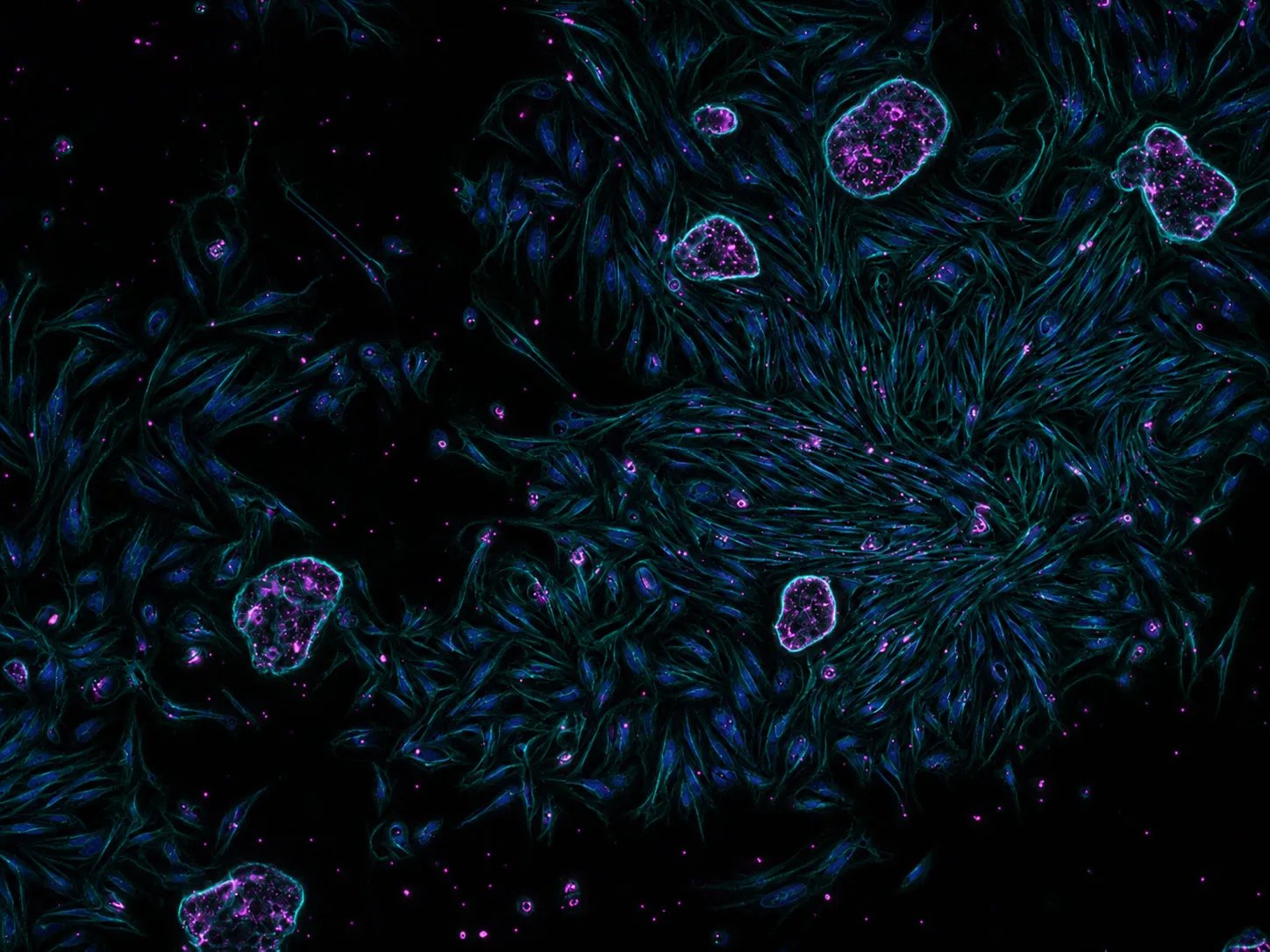
WASHINGTON — Astronauts and automated research payloads aboard the International Space Station are cultivating patient-derived gastric microtumors in microgravity, advancing an analytical frontier in translational oncology that could fundamentally reshape how clinicians evaluate cancer metastasis on Earth. According to disclosures published by NASA News Releases, the initiative centers on the Encapsulate-1 investigation, which deploys specialized biochip architecture to track cellular motility, spatial interactions, and tumor aggression in an environment unencumbered by terrestrial gravity.
The orbital research addresses one of the most persistent bottlenecks in modern cancer therapeutics: the inability of conventional two-dimensional laboratory cultures to accurately replicate the complex three-dimensional mechanics of human tumor proliferation and cellular invasion. By leveraging the persistent low-gravity environment of low-Earth orbit, researchers seek to isolate the biophysical drivers of metastasis—the process responsible for the vast majority of cancer-related mortalities worldwide—offering global pharmaceutical enterprises and clinical researchers an accelerated model for evaluating personalized patient treatment regimens.
Microgravity Mechanics and the Encapsulate-1 Platform
Terrestrial oncological modeling has historically struggled to emulate the mechanical stresses and fluid dynamics encountered within living human tissue. On Earth, gravity induces sedimentation, fluid shear, and rapid cell flattening, compelling cancer cells cultivated in standard petri dishes into artificial geometries that rarely mirror in vivo behavior. The Encapsulate-1 investigation circumvents these physical constraints by deploying patient-derived tumor samples encapsulated within specialized biochips, enabling cells to coalesce into three-dimensional spheroids and microtumors that retain their structural and genetic fidelity.
NASA documented this milestone through imagery released Nov. 19, 2026, showcasing gastric microtumors flourishing within the Encapsulate biochip apparatus in orbit. The agency emphasized the singular experimental vantage provided by the orbital outpost:
"Orbiting more than 200 miles (320 km) above Earth, the space station is a powerhouse of cutting-edge science that is unlocking discoveries not possible on Earth."
According to the NASA release, the investigation isolates how cancer cells migrate and communicate when buoyant forces and hydrostatic pressures are neutralized. In microgravity, the subtle biochemical signaling pathways and mechanical vectors that govern cell motility become pronounced, providing scientists with an unobstructed view of early-stage metastatic detachment and tissue invasion.
Translational Medicine and Metastatic Risk Assessment
The clinical implications of the Encapsulate-1 data extend directly from the laboratory bench to bedside diagnostic regimens. NASA highlighted that the primary analytical objective of the orbital experiments is to support the development of enhanced testing frameworks designed to predict an individual patient's specific risk of tumor metastasis, while identifying optimal, patient-tailored therapeutic interventions.
Gastric cancers present severe diagnostic and therapeutic hurdles due to high rates of late-stage detection and aggressive metastatic pathways that frequently bypass conventional systemic therapies. By cultivating biopsy-derived cells from individual patients in microgravity, clinicians could potentially screen pharmacological compounds against three-dimensional microtumors that behave dynamically like actual tumors in the human body. This approach enables oncologists to assess drug resistance, cellular motility suppression, and apoptotic responses with far greater predictive precision than conventional in vitro assays allow, reducing the trial-and-error exposure of vulnerable patients to ineffective, highly toxic chemotherapeutic protocols.
Commercial Horizons and Low-Earth Orbit Clinical Pipelines
As the global biopharmaceutical industry increasingly looks beyond Earth's atmosphere for research and manufacturing efficiencies, the Encapsulate-1 investigation illustrates the accelerating convergence of commercial biotechnology and orbital infrastructure. Low-Earth orbit microgravity has evolved from an exploratory curiosity into an active proving ground for protein crystallization, regenerative tissue engineering, and organoid modeling.
However, translating orbital findings into terrestrial standard-of-care protocols involves substantive regulatory and logistical milestones. Biomedical platforms must establish rigorous analytical equivalence and reproducibility across microgravity and terrestrial baselines before data can inform clinical trials or obtain validation from agencies like the U.S. Food and Drug Administration. Furthermore, payload scheduling, launch cadence, and automated microfluidic biochip recovery remain critical operational factors as the International Space Station approaches its eventual operational transition toward commercial orbital habitats. Despite these logistical complexities, NASA's findings reaffirm that the unique biophysical environment of space will play a decisive, expanding role in the next generation of precision oncology.


