NASA, Northrop Target Nov. 29 for CRS-25 Space Station Launch
Northrop Grumman's CRS-25 mission will ferry 11,000 pounds of orbital cargo to the ISS, reinforcing commercial supply chains and microgravity research.
EXECUTIVE BRIEF // KEY TAKEAWAYS
Northrop Grumman's CRS-25 mission will ferry 11,000 pounds of orbital cargo to the ISS, reinforcing commercial supply chains and microgravity research.
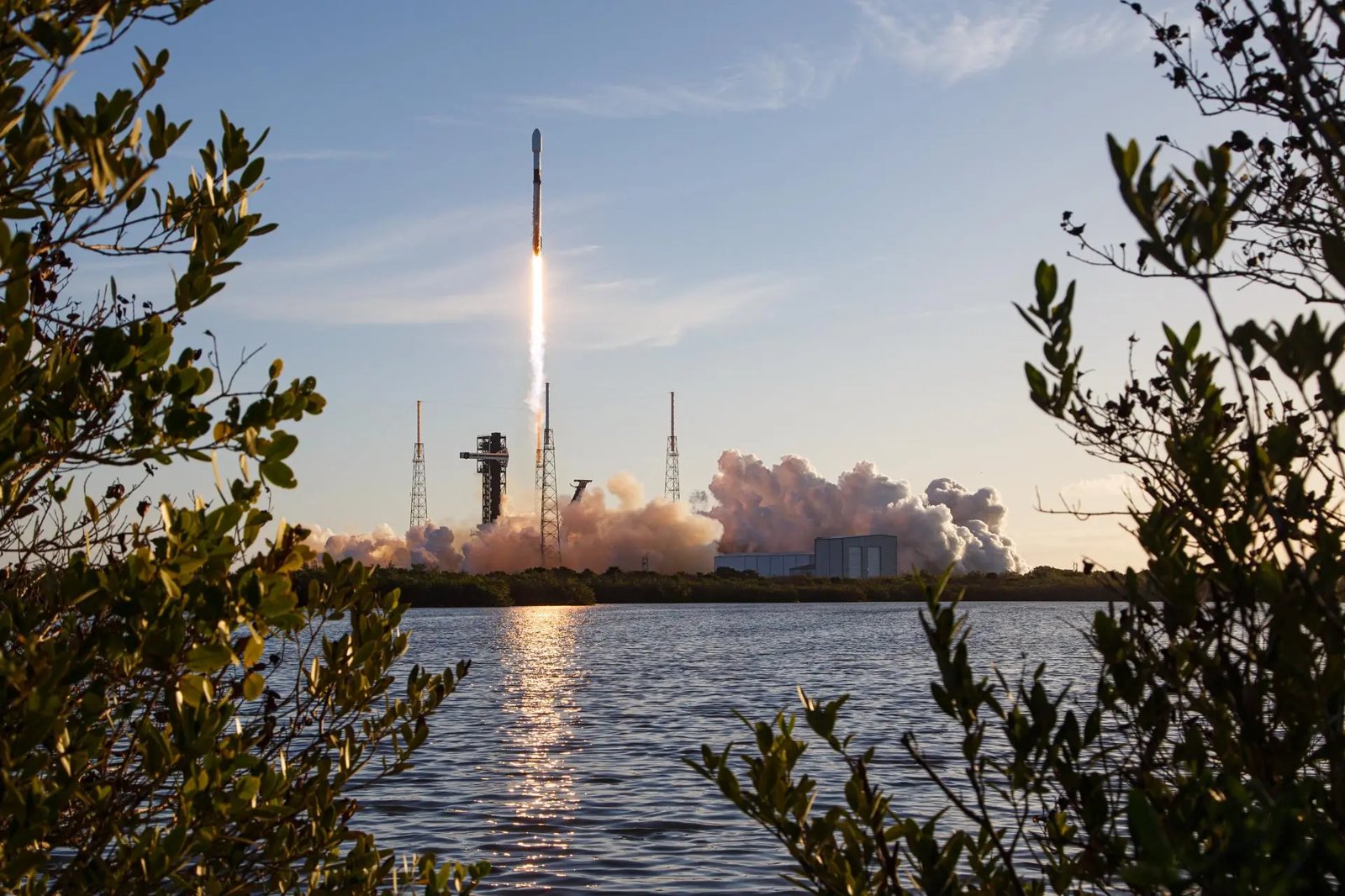
CAPE CANAVERAL, Fla. — The National Aeronautics and Space Administration, Northrop Grumman Corp., and SpaceX are targeting no earlier than 10:47 a.m. EST on Sunday, Nov. 29, for the launch of the 25th commercial resupply services mission to the International Space Station, sustaining an essential logistical artery that underpins international scientific operations in low Earth orbit.
The mission, designated Northrop Grumman CRS-25, arrives as public space agencies and commercial contractors accelerate efforts to operationalize orbital cargo systems ahead of the planned retirement of the International Space Station in the 2030s. For global aerospace markets and specialized biotech enterprises, predictable, high-mass transport to microgravity environments is no longer merely an exploratory endeavor; it has matured into a vital operational pipeline supporting pharmaceutical incubation, materials science breakthroughs, and long-duration spaceflight survival systems.
Contextual Architecture and Launch Configuration
Lifting off from Space Launch Complex 40 at Cape Canaveral Space Force Station in Florida, the flight pairs a SpaceX Falcon 9 rocket with Northrop Grumman’s Cygnus XL cargo freighter, an expanded spacecraft iteration named the S.S. James “Jim” A. Lovell in honor of the storied Gemini and Apollo astronaut. The operational collaboration between historic competitors reflects the increasing modularity and pragmatic interoperability governing the commercial spaceflight ecosystem.
Under agency operational manifests, the mission will deliver vital science investigations, crew provisions, and operational hardware directly to the orbiting laboratory to sustain ongoing expedition science.
According to NASA mission advisories, the Cygnus XL freighter is scheduled to rendezvous with the orbital laboratory on Tuesday, Dec. 1. NASA astronauts Jessica Watkins and Luke Delaney will manage capture maneuvers using the station’s 57.7-foot Canadarm2 robotic arm. Ground controllers at Johnson Space Center in Houston will subsequently command the robotic arm to berth the cargo vessel to the Earth-facing port of the station’s Unity module, where it will remain docked for several months before unberthing and undertaking a destructive reentry burn.
Payload Economics and Advanced Scientific Research
Packed with approximately 11,000 pounds of pressurized cargo, CRS-25 represents one of the heaviest commercial resupply deliveries to the orbital complex. The manifest reflects a strategic shift from routine consumables toward sophisticated commercial and academic research platforms designed to yield near-term terrestrial economic and clinical value.
Among the primary scientific investigations aboard the Cygnus spacecraft are advanced biomedical experiments focusing on targeted drug delivery mechanisms for cancer therapies and osteoarthritis mitigation. Because microgravity accelerates certain cellular pathways and eliminates sedimentation, researchers can analyze protein crystal growth and cellular degradation with unprecedented precision. The cargo also includes novel experiments designed to evaluate cellular therapies for mitigating human muscle atrophy, alongside predictive biological models studying the pathways of cancer metastasis.
In addition to biomedical payloads, CRS-25 carries technological hardware aimed at safeguarding future deep-space human expeditions, including upgraded radiation detection instrumentation and specialized agricultural habitats advancing orbital food crop production. These payloads highlight how microgravity laboratories serve as de-risking testbeds for commercial biotechnologies and space exploration supply chains alike.
Strategic Outlook and Milestone Schedule
The execution of CRS-25 serves as an important barometer for commercial cargo sustainability under NASA’s Commercial Resupply Services 2 (CRS-2) contract vehicle. As NASA prepares for the eventual transition of research activities to commercially owned and operated orbital destinations under the Commercial Low Earth Orbit Destinations program, operational regularity among launch providers remains paramount.
Leading up to the weekend launch window, NASA has scheduled a prelaunch media teleconference on Monday, Nov. 23, at 12 p.m. EST, streaming live across the agency’s official YouTube channel and digital networks. Official live coverage of the prelaunch milestones, launch countdown, orbital approach, and station capture will be broadcast via NASA+, the NASA app, and NASA Television, offering global aerospace stakeholders granular visibility into real-time operational execution.
Success on Nov. 29 will solidify commercial launch cadence heading into 2027, ensuring uninterrupted research cycles for multinational research consortia while validating the logistical frameworks required for sustaining long-term infrastructure at the edge of human spaceflight.