NASA Astronomy Picture of the Day Marks Farewell to Swift Observatory
NASA's Astronomy Picture of the Day highlights a tribute to the Swift mission, underscoring the transition of legacy space observatories and data archives.
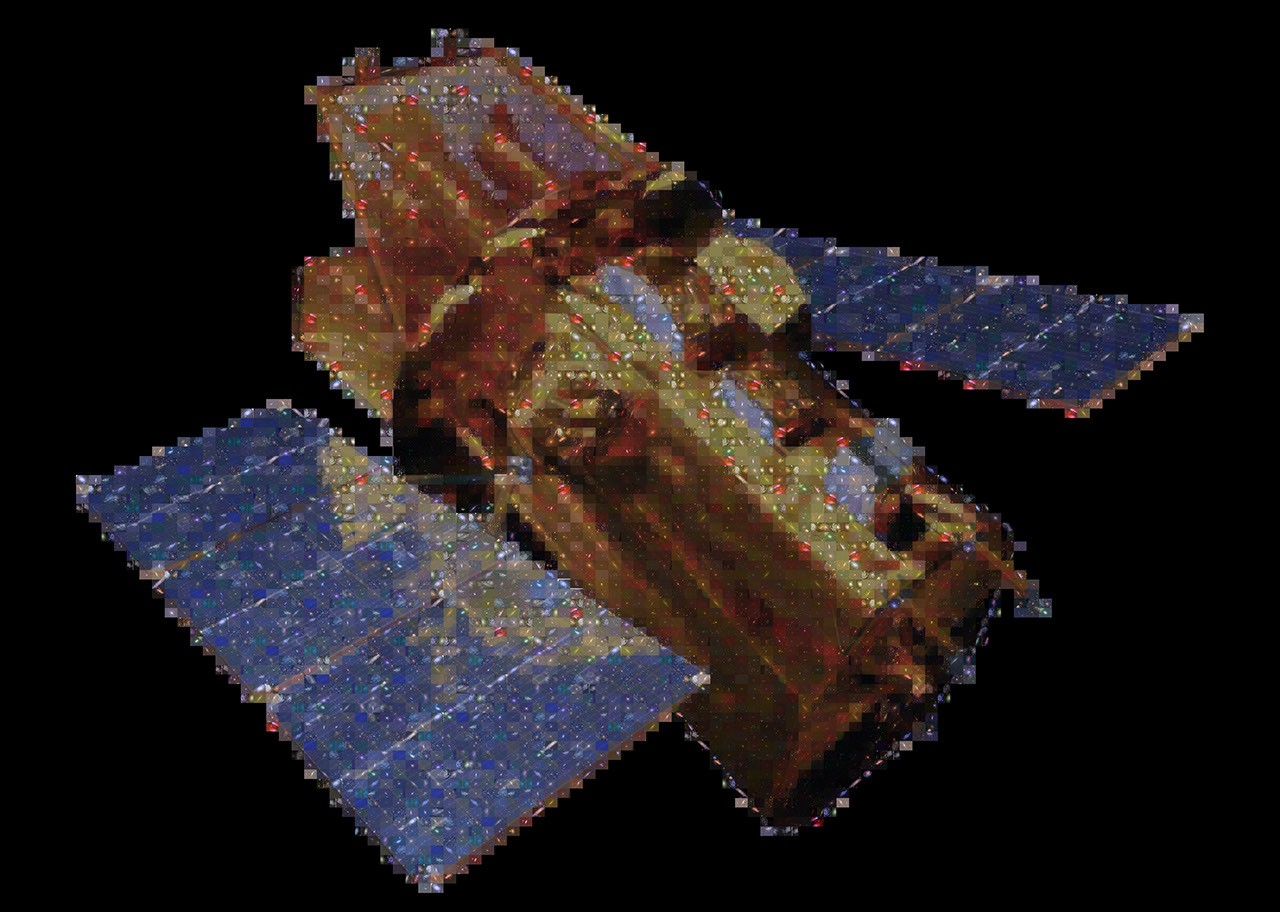
NASA News Releases featured a commemorative entry titled "A Farewell to Swift" in its November 6, 2026 edition of the Astronomy Picture of the Day (APOD), marking a notable milestone for one of space science's longest-running astronomical observation initiatives. Curated and explained by professional astronomers, the daily dispatch documents the operational legacy of the Swift space observatory while illustrating how public-facing scientific archives continue to catalog critical high-energy cosmic phenomena for global researchers and institutions.
For the broader space technology and satellite operations sector, the recognition of legacy orbital observatories highlights the growing operational challenge of sustaining aging scientific hardware in low-Earth orbit. As flagship space telescopes reach the limits of their operational lifespans, scientific agencies and commercial aerospace partners face mounting pressure to ensure uninterrupted observational continuity, modernized telemetry infrastructure, and long-term digital preservation of multi-decade astronomical datasets.
Archival Curation and Observational Context
According to the NASA News Releases dispatch, the Astronomy Picture of the Day program operates as a continuous public and academic chronicle, presenting a distinct astronomical image or photograph each day accompanied by technical context authored by a professional astronomer. The November 6, 2026 feature centers specifically on the Swift mission, reflecting on its extensive contributions to space-based observation.
Space-based observatories tasked with monitoring transient cosmic events require rapid-response slewing capabilities and multi-wavelength instrumentation that ground-based facilities cannot replicate due to atmospheric interference. Over its operational tenure, orbital assets of this class have formed the backbone of time-domain astronomy, enabling international research consortia to coordinate follow-up observations across optical, radio, and X-ray spectra. By archiving these milestones within structured public portals, NASA maintains an accessible repository that bridges institutional astrophysics and science education.
Operational Impact on Orbital Science Infrastructure
The transition or conclusion of established orbital missions carries direct technical and budgetary implications for international space agencies and defense-adjacent aerospace contractors. Maintaining legacy spacecraft requires specialized ground station scheduling, custom flight dynamics software, and continuous anomaly resolution by mission operations teams. When an orbital asset concludes its primary or extended mission profile, resources are typically reallocated toward data calibration, final archive ingestion, and next-generation payload development.
In the current space economy, the retirement or transition of legacy NASA scientific platforms has accelerated demand for cost-effective, modular satellite buses and hosted payload architectures. Research institutions increasingly rely on distributed small-satellite constellations and automated ground networks to replace the capabilities once concentrated in single flagship observatories. Furthermore, the standardized indexing and RSS distribution frameworks maintained by NASA's science portals ensure that historical telemetry and imaging remain machine-readable for machine learning training sets and automated sky-survey comparisons.
Strategic Outlook for Space-Based Astronomy
Looking ahead, the aerospace and scientific communities will closely monitor how NASA and its international partners manage the handoff between retiring orbital observatories and upcoming high-energy astrophysics missions. Ensuring that observational gaps do not disrupt global alert networks for transient cosmic phenomena remains a top priority for mission planners and astrophysics funding bodies.
As legacy missions transition from active data collection to permanent archival status, the strategic value of platforms like the Astronomy Picture of the Day and NASA's centralized science repositories will continue to grow. Future mission architectures will increasingly depend on seamless cloud-based data distribution and cross-agency telemetry sharing to build upon the foundational observations established by pioneering spacecraft such as Swift.