Michigan Utility Proposes Gas Plants Relying on Unproven Carbon Capture
DTE Electric's 20-year plan banks on carbon capture for new gas generation, drawing scrutiny over feasibility and ratepayer risk.
EXECUTIVE BRIEF // KEY TAKEAWAYS
DTE Electric's 20-year plan banks on carbon capture for new gas generation, drawing scrutiny over feasibility and ratepayer risk.
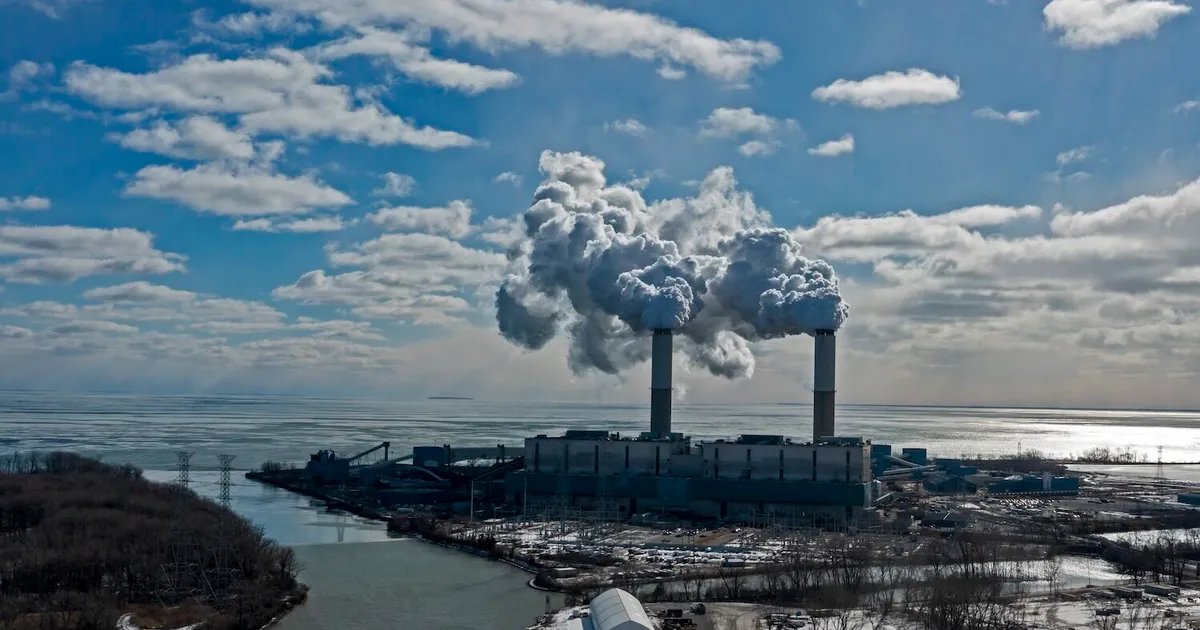
DETROIT — DTE Electric has submitted a 20-year integrated resource plan to Michigan regulators featuring the construction of two new gas-fired power plants totaling 2.1 gigawatts in the Detroit area. According to regulatory filings with the Michigan Public Service Commission, the utility intends to meet strict state mandates requiring carbon-free power generation by 2040 by equipping these new fossil fuel facilities with carbon capture and sequestration (CCS) technology by 2035. The proposal, which was filed in September, attempts to balance the retirement of the utility's massive 3-gigawatt coal plant in Monroe, Michigan, by 2032 alongside an aggressive buildout of 15 gigawatts of renewables and 4.5 gigawatts of energy storage.
This ambitious regulatory filing arrives as electric utilities across the United States face mounting pressure to reconcile surging industrial energy demand—largely driven by data center expansions—with mandatory decarbonization timelines. DTE’s dual strategy of constructing multi-billion-dollar gas infrastructure while banking on the future viability of an emerging emissions-mitigation technique highlights a broader industry dilemma. For capital markets, energy sector analysts, and corporate sustainability officers, the Michigan proceeding serves as a high-stakes test case regarding whether traditional utilities can successfully deploy unproven industrial technologies to maintain compliance under aggressive state climate statutes without exposing ratepayers to catastrophic financial risks.
The Technological and Regulatory Gamble of Carbon Capture
The central controversy surrounding DTE Electric's long-range plan involves the unproven nature of carbon capture and sequestration at scale within the domestic utility sector. As noted in reporting by Canary Media, commercial electric utilities in the United States have not yet successfully deployed CCS technology to capture and permanently store carbon dioxide emissions from a modern gas-fired power plant. Even if technological barriers are eventually cleared, the initiative faces severe headwinds from public opposition. Similar legislative efforts to adopt carbon sequestration frameworks in Michigan, alongside proposed carbon dioxide pipelines and injection wells in neighboring Midwestern states, have routinely triggered intense public outcry and community pushback.
Critics point out that DTE’s strategy effectively commits billions of dollars in customer funds toward fossil fuel assets that rely on a nascent, highly uncertain technological fix. Helen Li, a senior attorney with the nonprofit law firm Earthjustice, articulated these concerns during regulatory proceedings. “DTE is trying to lock in billions of dollars of new gas plants now on the promise that later they will seek to spend billions more to try to bring those plants into compliance with Michigan laws,” Li stated. Environmental advocates argue that approving the construction phase without resolving the technical and economic viability of the required carbon capture equipment places an unfair financial burden on everyday ratepayers.
Surging Industrial Demand and the Shift From Previous Targets
A rigorous examination of DTE Electric’s filings reveals a substantial escalation in fossil fuel infrastructure compared to the utility's previous long-range blueprint. In its prior plan filed four years ago, DTE suggested that a modest 946 megawatts of gas-fired generation paired with carbon capture would suffice to bridge the reliability gap left by the impending retirement of the Monroe coal facility. The current proposal more than doubles that figure, seeking 2.1 gigawatts of new gas generation split across two sites, with one proposed directly within Monroe County.
Clean energy advocates and industrial watchdogs argue that this expanded fossil fuel footprint is directly tied to soaring energy demands from corporate technology giants. DTE Electric has already secured binding contracts with major cloud and AI infrastructure operators, including Google and Oracle, representing a combined 2.4 gigawatts of new customer load. The utility's own regulatory documentation explicitly references these incoming loads as a primary driver behind the adjustments to its generation portfolio. Consequently, market analysts suggest that the utility is rushing to secure reliable baseload capacity to service lucrative corporate contracts, utilizing state decarbonization rules and future CCS promises as a regulatory bridge.
Strategic Outlook and Long-Term Market Implications
Over the coming year, the Michigan Public Service Commission will face the complex task of evaluating DTE Electric’s multi-billion-dollar proposal amidst competing pressures from corporate tech clients, ratepayer advocates, and environmental organizations. The regulatory review will likely center on whether the utility can legally and financially justify locking in long-term fossil fuel generation on the mere premise of unproven mitigation technologies coming online a decade from now.
The outcome of the Michigan proceedings will establish a critical precedent for utilities nationwide operating under stringent clean energy standards while attempting to service power-hungry data centers. If regulators approve DTE’s blueprint, it could greenlight a new wave of fossil fuel investments shielded by theoretical carbon capture timelines across the American industrial heartland. Conversely, a rejection or significant modification by the state commission would force utilities to accelerate reliance on energy storage, advanced demand-response mechanisms, and uncompromised renewable energy procurement, reshaping the capital expenditure strategies of major energy providers for decades to come.


