Massachusetts Bogs Pioneer First Dual-Use Cranberry Solar Farms
Southeastern Massachusetts farms host the nation's first operational solar installations built directly above active cranberry bogs.
EXECUTIVE BRIEF // KEY TAKEAWAYS
Southeastern Massachusetts farms host the nation's first operational solar installations built directly above active cranberry bogs.
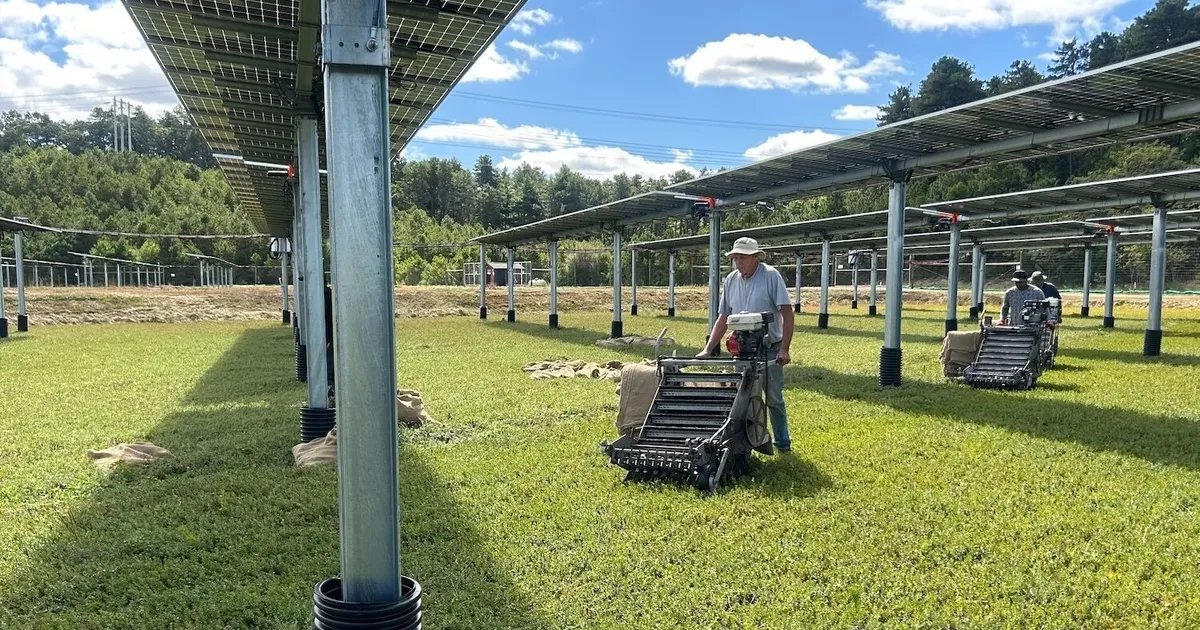
SOUTHEASTERN MASS. — As growers across southeastern Massachusetts collect ruby-red cranberries destined for holiday tables, juice bottles, and canned sauces this season, an emerging agricultural technique is fundamentally altering the harvest. At two distinct farming sites in the region, agricultural laborers and heavy machinery are navigating around vertical metal support structures shaded by elevated photovoltaic canopies. According to Canary Media, these two locations represent the first known instances in the United States—and potentially globally—of commercial cranberries being cultivated directly beneath an operating solar energy installation, marking a significant milestone for the burgeoning agrivoltaics sector.
This autumn marks the second consecutive harvest cycle completed under the shadow of the panels. The dual-use model addresses a critical friction point in modern renewable energy deployment: land-use competition. As state and federal jurisdictions pursue aggressive decarbonization schedules, the challenge of siting large-scale generation facilities without triggering environmental opposition or diminishing agricultural yields has intensified. By integrating clean energy generation with traditional farming, these Massachusetts projects offer a viable blueprint for maximizing land productivity through dual-use infrastructure.
Navigating the Siting Crisis and Land-Use Pressures
Solar development serves as a foundational pillar in Massachusetts’ statutory mandate to achieve net-zero carbon emissions by the year 2050. To stimulate private capital investment, the commonwealth has maintained continuous solar incentive frameworks since 2001. However, deploying massive generation assets has met considerable resistance within the densely populated and heavily wooded state. While rooftop installations and parking lot canopies avoid greenfield disruption, they frequently entail elevated capital expenditures and restricted capacity limits. Conversely, proposals targeting undeveloped parcels routinely galvanize opposition from local residents and conservation groups concerned with preserving local ecosystem integrity and community aesthetics.
Utilizing pre-cleared agricultural land offers an apparent compromise, yet it introduces secondary economic anxieties regarding the permanent removal of productive acreage from the agricultural supply chain. According to Canary Media, agrivoltaics—or dual-use solar—mitigates these systemic concerns by co-locating elevated photovoltaic arrays above functioning agricultural operations, allowing crops to thrive and livestock to graze beneath the infrastructure. Massachusetts policy has actively encouraged this operational model since 2018, when the state became an early regulatory pioneer by introducing dedicated financial incentives designed to offset the higher engineering and construction complexities associated with dual-use arrays.
Economic Architecture and Operational Metrics
The financial viability of the Kingston and Plymouth installations relies heavily on targeted state support structures. Under the prevailing Massachusetts solar incentive schedule, participants receive a baseline remuneration for every kilowatt-hour of electricity generated, with standard commercial arrays sized between one and five megawatts currently securing a base rate of 23.17 cents per kilowatt-hour. Crucially, designated agrivoltaic projects command an additional incentive premium of 9 cents per kilowatt-hour, providing the requisite financial yield to attract private developers.
Prateek Tare, co-founder and executive vice president of Distributed Energy Infrastructure, underscored the empirical significance of the undertaking in reporting by Canary Media, stating, "We are literally proving it can be done."
Distributed Energy Infrastructure engineered and constructed the two pioneering installations: a robust 4.4-megawatt solar array paired with a 13.5-megawatt-hour battery storage system located in Kingston, alongside a complementary 1-megawatt solar array in neighboring Plymouth. The underlying land transactions and operational transitions involved specialized corporate structuring. Clean energy developer Greenbacker Renewables acquired the properties—which had operated as commercial cranberry farms for decades—from generational growers preparing to exit the industry. Greenbacker subsequently partnered with Distributed Energy Infrastructure to execute the construction phase while retaining experienced local expertise, hiring Iain Ward, a solar consultant and veteran regional cranberry farmer, to oversee ongoing agricultural cultivation.
Strategic Implications for Capital Markets and Community Solar
Beyond agricultural preservation, the Kingston and Plymouth projects utilize a community solar delivery framework, broadening clean energy access to local utility customers seeking reduced electricity tariffs without requiring rooftop installations. The financial mechanics of these leases establish sustainable revenue diversification for rural economies; participating farmers or contracted caretakers receive regular compensation for maintaining the landscape surrounding the array columns and electrical balance-of-system components.
As clean energy developers evaluate similar ventures across the United States, the Massachusetts cranberry bogs provide critical operational data regarding panel height configurations, light transmission indices, and harvesting machinery clearance. Regulatory bodies in other agricultural states are closely monitoring these performance metrics as they formulate similar incentive structures. By transforming single-use acreage into high-yield energy and agricultural hubs, these installations demonstrate that industrial-scale decarbonization can successfully harmonize with legacy farming traditions, offering a replicable model for future renewable capital deployment.


