Kohler Bets Big on Smart Bathrooms to Transform US Market
As 153-year-old manufacturer Kohler introduces non-electric mechanisms and health sensors, the US smart bathroom market faces a major cultural shift.
EXECUTIVE BRIEF // KEY TAKEAWAYS
As 153-year-old manufacturer Kohler introduces non-electric mechanisms and health sensors, the US smart bathroom market faces a major cultural shift.
KOHLER, Wis. — Marking a strategic shift toward connected domestic infrastructure, 153-year-old bath and kitchen products manufacturer Kohler Co. is pushing to transform the conventional American restroom into an integrated technology hub. According to a recent report by Fast Company, the Wisconsin-based company is deploying a wave of product innovations—ranging from mechanical, non-electric auto-resetting toilet seats to advanced health-tracking sensors—designed to overcome long-standing cultural resistance in North America.
The push by Kohler addresses a traditional friction point in the domestic and commercial real estate sectors: consumer reluctance to embrace high-tech bathroom fixtures. While European and Asian markets have spent decades normalizing bidets, heated seats, and automated cleanliness features, North American consumers have historically viewed the toilet through a strictly utilitarian lens. By introducing accessible entry-level technologies that require no electrical infrastructure alongside high-end medical monitoring systems, Kohler aims to redefine bathroom fixtures from mundane plumbing necessities into active components of the modern smart home ecosystem.
Engineering Household Diplomacy and Hygiene
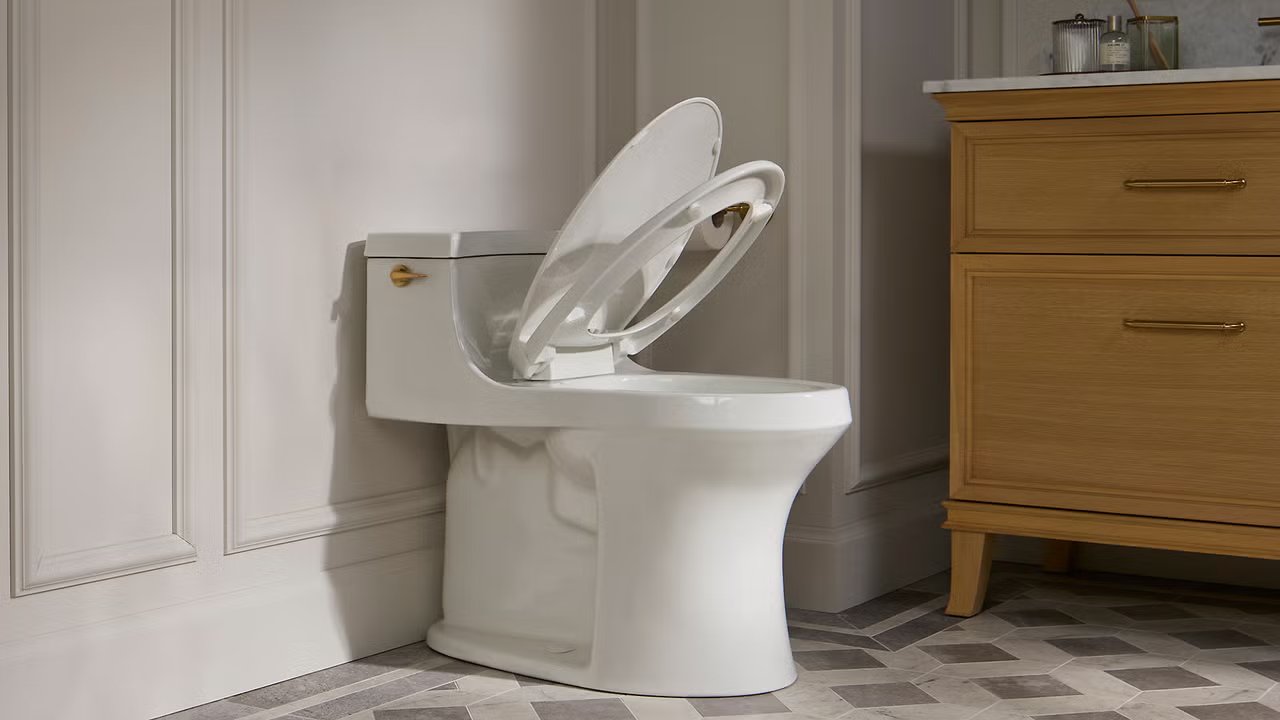
At the core of Kohler's latest mechanical innovations is the Cleana Reset seat, designed to resolve domestic disputes by automatically lowering a lifted seat and lid after a set delay. The system operates entirely without batteries or external electricity through a patented hinge mechanism. A commercial variant, named Rebound, features similar technology to enhance hygiene in high-traffic public facilities by minimizing direct physical contact with the bowl.
According to disclosing executives cited by Fast Company, these mechanical improvements serve as a gateway to more advanced digital integrations. Niels Eilmus, Kohler’s director of industrial design for bath fixtures, emphasized that the company is actively working to elevate standard offerings into sophisticated product categories. "It used to be a toilet was essentially just a functional thing in your bathroom," Eilmus stated to Fast Company. "It was like 14-and-a-half inches tall, and as long as it flushed and everything went away, people were happy."
Over recent years, Kohler's engineering teams have systematically refined flushing performance, bowl cleaning, and water efficiency. Ryan Leichty, Kohler’s senior director of engineering for sanitaryware, noted that pandemic-era disruptions—specifically brief nationwide shortages of toilet paper—sparked a temporary spike in bidet sales that permanently altered consumer receptivity. This shift has encouraged designers to scale down bidet components, resulting in innovations such as the PureWash bidet toilet seat, which features dedicated front and rear spray wands tailored for female hygiene.
The Economics of Wellness and Infrastructure Hurdles
Beyond mechanical seats and cleansing wands, Kohler is tapping into the preventative healthcare sector through its corporate subsidiary, Kohler Health. The division has introduced Dekoda, a high-tech toilet add-on retailing for approximately $800. Utilizing miniaturized optical spectroscopy sensors, the device analyzes waste to alert users to indicators such as low hydration levels or blood in the stool, bridging the gap between domestic fixtures and personal diagnostics.
Despite these technological leaps, capital expenditure and structural limitations present tangible barriers to widespread commercial adoption. Leichty identified electrical infrastructure as the primary obstacle for the broader smart toilet portfolio. Because the vast majority of North American homes lack electrical outlets positioned near toilets, retrofitting bathrooms involves additional installation costs that threaten to suppress consumer demand for feature-rich, plug-in models.
Consequently, Kohler's go-to-market strategy heavily relies on products like the Cleana line, which bypasses the electrical hurdle entirely while introducing consumers to automated conveniences. As manufacturing efficiencies gradually lower price points—moving sophisticated features from five-figure luxury units down to affordable add-ons—the company believes the domestic market is approaching a tipping point.
Strategic Outlook and Future Milestones
Looking ahead, Kohler’s leadership acknowledges that standard porcelain fixtures will remain foundational to their business model, even as smart variants secure a larger market share. The primary challenge for the company lies in sustained consumer education and overcoming structural deficiencies in residential architecture.
Market analysts note that as real estate developers increasingly incorporate smart home technology into new constructions, pre-wiring bathrooms for electrical bidet seats and diagnostic tools could become an industry standard. Whether North American consumers will broadly embrace wellness-monitoring bowls like Dekoda will largely depend on how seamlessly manufacturers can integrate these complex systems without inflating installation costs. For Kohler, the long-term objective is clear: shifting the bathroom from an overlooked utility space into a central pillar of digital home wellness and automated hygiene.


