AI Data Center Surge Strains Power Grids and Local Communities
Rapid expansion of artificial intelligence infrastructure drives unprecedented electricity demand, raising utility costs and environmental pressures.
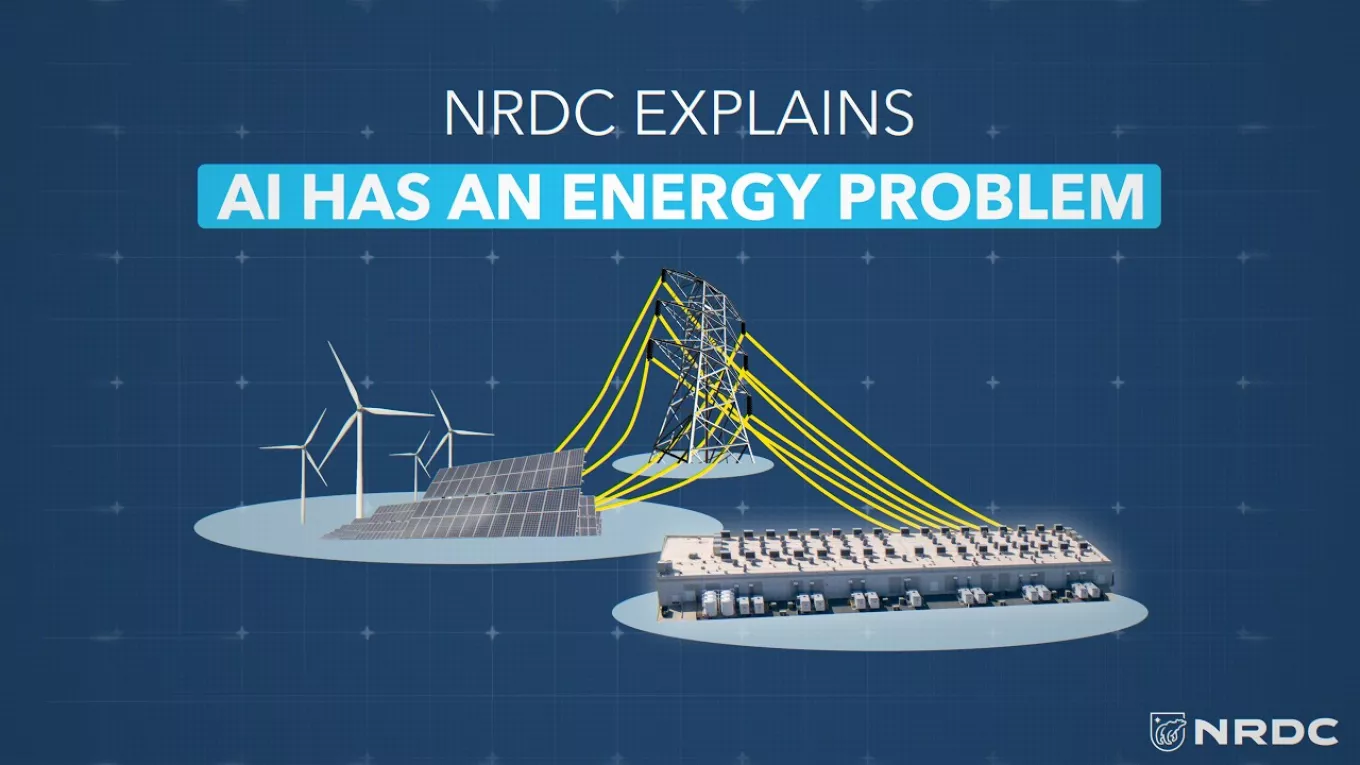
The rapid proliferation of physical data center infrastructure powering artificial intelligence and digital services is driving an unprecedented surge in electricity demand, according to a report by CleanTechnica. As technology providers scale computational capacity at an accelerated pace, the resulting energy consumption is placing mounting pressure on regional electrical grids, household utility bills, public health, and surrounding communities.
For global enterprise leaders, utility operators, and energy markets, the convergence of artificial intelligence expansion and grid constraints represents a critical operational inflection point. The capital-intensive buildout of hyperscale computing facilities no longer depends solely on semiconductor supply chains and real estate availability; it is increasingly dictated by power generation capacity, transmission bottlenecks, and regulatory scrutiny over how infrastructure costs and environmental externalities are distributed.
Infrastructure Expansion and Community Pressures
Data centers serve as the foundational physical backbone for both artificial intelligence workloads and broader digital commerce. CleanTechnica reports that these facilities are expanding at a scale and velocity that challenge existing utility planning models. Unlike traditional commercial real estate developments, modern computing clusters require continuous, high-density baseload power, fundamentally altering local demand profiles wherever they are sited.
This concentrated load growth has created immediate friction within host communities. As utilities invest heavily in new generation assets and transmission upgrades to accommodate data center campuses, residential and commercial ratepayers face the risk of higher electricity bills to subsidize grid expansion. Furthermore, the localized concentration of power generation and backup power systems introduces public health and environmental concerns, particularly when grid operators rely on fossil-fuel peaker plants or delay the retirement of carbon-intensive facilities to maintain system reliability.
Operational, Economic, and Environmental Impacts
The economic and environmental ramifications of unchecked data center energy growth extend across multiple sectors of the power economy. When computing demand outpaces the deployment of clean energy resources, utilities often turn to existing thermal generation to bridge the gap, undermining corporate and municipal decarbonization targets. CleanTechnica highlights four primary domains experiencing direct strain from this infrastructure wave: household utility rates, local public health outcomes, community land and resource allocation, and broader environmental sustainability.
From an operational standpoint, energy-intensive AI training and inference workloads require power delivery timelines that clash with multi-year interconnection queues for renewable energy projects. This mismatch creates financial exposure for both utilities and ratepayers. If grid infrastructure is overbuilt or financed through standard rate-recovery mechanisms without dedicated tariff structures for large-load customers, everyday consumers bear the long-term financial risk of capital investments tailored primarily for hyperscale computing operators.
Strategic Outlook and Mitigation Pathways
Addressing the escalating energy footprint of digital infrastructure will require coordinated intervention across utility regulation, corporate procurement, and facility engineering. CleanTechnica emphasizes that actionable solutions exist to mitigate the financial and environmental risks associated with data center expansion, provided policymakers and industry operators establish stricter governance frameworks before new capacity comes online.
Looking ahead, regulatory commissions are expected to scrutinize large-load tariff structures more aggressively to insulate residential ratepayers from infrastructure upgrade costs. Simultaneously, data center developers will face growing pressure to pair new facility construction with dedicated, additional clean energy generation, battery storage, and grid-enhancing technologies. How effectively technology firms and utilities balance rapid computational scaling with equitable rate design and environmental safeguards will define the next phase of digital and energy infrastructure development.
本記事は The OmniWire の編集基準に準拠して作成されています。一次報道は公式通信社の公表情報に基づいています。