Inflation-Wary Shoppers Drive Robust Black Friday Spending
Persistent inflation and economic headwinds push shoppers toward value, fueling a resilient Black Friday and projected record holiday sales.
EXECUTIVE BRIEF // KEY TAKEAWAYS
Persistent inflation and economic headwinds push shoppers toward value, fueling a resilient Black Friday and projected record holiday sales.
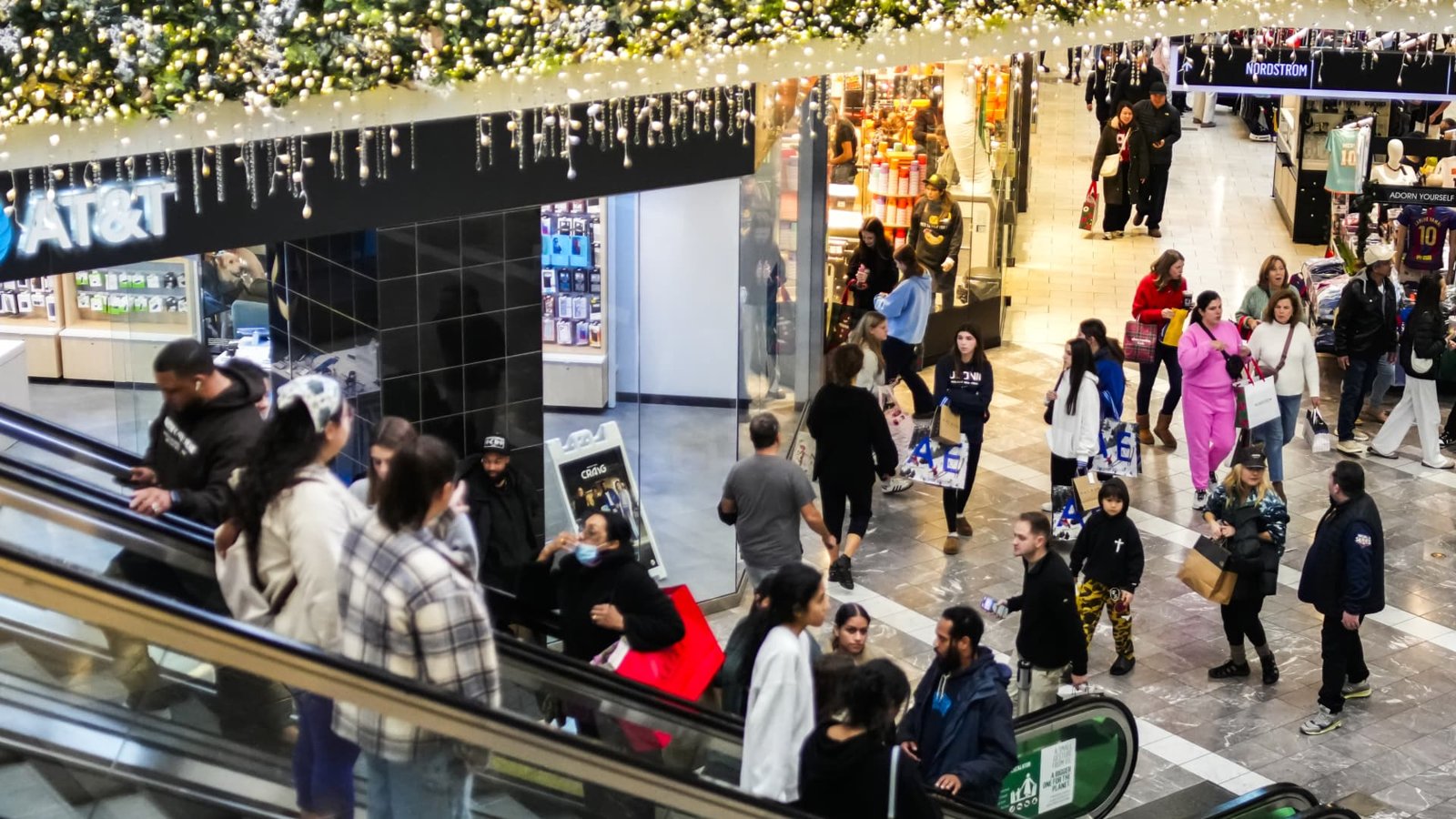
Persistent macroeconomic headwinds, elevated consumer price indices, and labor market uncertainty have failed to derail the holiday shopping season, with retail participation for Black Friday projected to reach a 10-year high. According to data published by CNBC Business, shoppers navigating higher costs are aggressively hunting for value, prompting retailers to roll out deeper discounts that are sustaining robust consumer spending volumes through Thanksgiving week and beyond.
For global supply chain operators, logistics providers, and capital markets, the resilience of holiday retail demand serves as a critical indicator of consumer health. Despite tightening household budgets and cautious sentiment reflected in corporate earnings, total spending metrics indicate that discretionary outlays remain surprisingly durable. This dynamic forces large-scale merchants to carefully balance promotional markdowns against margin compression, making the post-Thanksgiving sales week a vital barometer for fourth-quarter financial performance.
Macroeconomic Squeezes and Consumer Caution
The broader economic environment has undeniably constrained household purchasing power. As reported by CNBC Business, October's consumer price index rose a seasonally adjusted 0.4%, coming in higher than anticipated by economists. Simultaneously, the personal consumption expenditures price index accelerated to a seasonally adjusted 3.8% compared with the previous year, while October retail sales recorded their slowest pace in nearly a year according to the CNBC/NRF Retail Monitor.
Furthermore, consumer confidence has experienced notable volatility. The Conference Board’s Consumer Confidence Index dropped to its lowest level since 2014 in September, with surveyed participants explicitly citing inflation and labor market anxieties. Major enterprise retailers, including Walmart and Lowe’s, have acknowledged a resulting caution among buyers, noting slower sales velocity, smaller transaction basket sizes, and notable pullbacks in big-ticket and discretionary acquisitions.
Enterprise Metrics and Online Sales Expansion
Notwithstanding these cautionary indicators, aggregate financial metrics for the holiday period reflect sustained consumer participation. Data compiled by The Conference Board estimates that planned spending on gifts and nongifts will average $1,049 per household this year, representing a 5.9% increase from $990 in the prior year. When adjusted specifically for inflation, real spending remains up 3.2% year over year, pushing aggregate annual holiday sales toward the $1 trillion threshold.
Digital channels are capturing a significant share of this capital flow. Adobe analytics cited by CNBC Business indicate that consumers spent $82.5 billion online during the first 22 days of November, marking a 9.1% year-over-year expansion. Building on this momentum, Salesforce projections point to a record-breaking holiday week between Nov. 24 and Nov. 30, anticipating global online sales to reach $357 billion and U.S. sales to hit $84 billion, both representing 6% annual increases. Retailers have actively stimulated this volume by elevating promotional depth, with U.S. discount rates climbing 8% in November compared to the previous year.
Strategic Outlook for Retail Capital Markets
As the holiday retail window progresses toward Cyber Monday and the final weeks of December, enterprise strategy will pivot heavily toward inventory management and fulfillment efficiency. The heightened focus on value-driven purchasing means that retailers maintaining disciplined supply chains and flexible markdown strategies are best positioned to protect profit margins amidst inflationary pressures.
Looking ahead, corporate leadership will closely monitor post-holiday inventory levels and January earnings disclosures to gauge whether this resilience represents a permanent shift in consumer habits or a temporary seasonal surge. Sustained participation rates, particularly as highlighted by Deloitte’s Black Friday surveys pointing to a decade-high engagement, suggest that consumer demand remains fundamentally robust despite structural cost-of-living challenges.


