Humanoid Robot Cleaning Service Debuts in San Francisco Homes
A newly launched San Francisco service deploys humanoid robots into residential apartments, testing the commercial viability of domestic robotics.
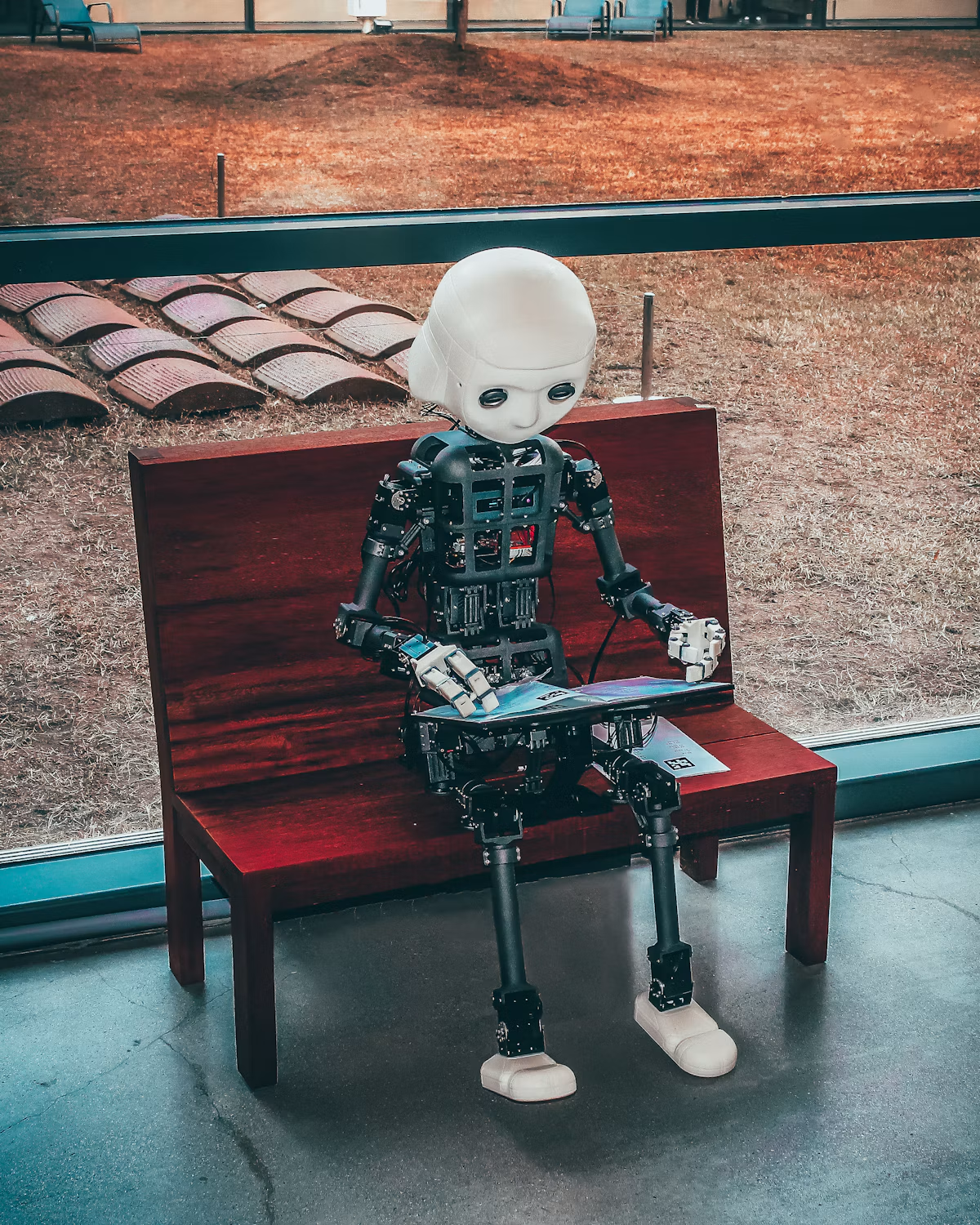
A newly launched residential cleaning service in San Francisco is deploying humanoid robots directly into private apartments, marking a notable transition for embodied artificial intelligence from controlled industrial laboratories into unstructured domestic environments. As reported by MIT Technology Review, the service gained initial customer traction through social media promotion on X, drawing interest even from cost-conscious residents who do not typically hire traditional household cleaning personnel. The deployment offers an early look at how general-purpose robotic hardware is beginning to interface with everyday consumer routines.
The arrival of humanoid machines in residential living spaces represents a critical inflection point for the robotics sector and venture capital markets. While automated warehouses and automotive assembly lines have utilized specialized robotic arms and autonomous mobile platforms for decades, private apartments present far more complex spatial and mechanical challenges. Successfully commercializing domestic cleaning services allows robotics developers to gather vital real-world operational telemetry while testing consumer willingness to pay for automated household labor.
From Industrial Floors to Domestic Spaces
Historically, home automation has been dominated by single-purpose appliances, most notably disc-shaped robotic vacuum cleaners designed strictly for floor maintenance. Expanding beyond flat surfaces to tackle multi-step domestic chores—such as scrubbing bathroom fixtures, navigating tight residential corridors, and handling varied household objects—requires advanced dexterity and adaptive spatial perception. According to MIT Technology Review's firsthand account of the San Francisco trial, the appeal of witnessing a humanoid machine perform apartment maintenance was strong enough to convert a self-described frugal resident who normally prefers cleaning their own bathtub with a Magic Eraser while listening to podcasts.
"I watched a humanoid robot clean my apartment. It felt like a taste of the future."
That observation underscores the psychological shift occurring as consumers encounter bipedal or humanoid form factors inside their personal living quarters. Rather than requiring homeowners to purchase expensive, experimental hardware outright, offering robotic labor through a bookable service model lowers the barrier to entry. Customers can experience advanced automation on an on-demand basis, mirroring the early rollout strategy of autonomous ride-hailing fleets in major metropolitan areas.
Operational Economics and Technical Hurdles
Deploying humanoid robots into urban apartments introduces distinct operational and economic considerations for robotics providers. Unlike standardized commercial office buildings or factory floors, residential apartments in cities like San Francisco feature highly variable layouts, unpredictable clutter, delicate personal property, and constrained workspaces. For a humanoid platform to operate effectively in such environments, its underlying vision-language-action models and actuator control systems must reliably identify surfaces, modulate physical force, and avoid collisions without constant human intervention.
From a business model perspective, the service-based approach shifts capital expenditure away from individual households and onto the fleet operator. By amortizing hardware costs across multiple residential bookings, operators can generate recurring revenue while continuously refining their software stacks. Every apartment cleaning session functions simultaneously as a commercial transaction and a high-value data collection exercise, capturing edge-case scenarios that synthetic simulations and laboratory mock-ups frequently miss. Furthermore, utilizing platforms like X to acquire early adopters in technology-forward markets like San Francisco allows operators to build localized route density before attempting broader geographic expansion.
Strategic Outlook for Embodied AI
Looking ahead, the transition of humanoid robotics from novelty demonstrations to dependable domestic utility will depend on several rigorous benchmarks. Fleet operators must demonstrate consistent task completion rates, competitive pricing relative to human cleaning services, and strict privacy safeguards regarding in-home camera and sensor data. Because domestic robots rely on visual mapping to navigate rooms and identify cleaning targets, establishing transparent data governance protocols will be essential to maintaining consumer trust and satisfying emerging regulatory standards.
As hardware manufacturing costs gradually decline and foundation models for physical manipulation mature, residential service fleets are positioned to serve as the primary proving ground for consumer-facing humanoids. While widespread household ownership of general-purpose robots remains years away, on-demand apartment cleaning services in urban hubs like San Francisco provide a pragmatic commercial bridge between experimental robotics research and everyday domestic adoption.