Heat Pumps Emerge as Grid Safeguard in the Winter-Stressed South
After Winter Storm Elliott's blackouts in North Carolina and Tennessee, Canary Media reports heat pumps are being framed as a reliability tool.
EXECUTIVE BRIEF // KEY TAKEAWAYS
After Winter Storm Elliott's blackouts in North Carolina and Tennessee, Canary Media reports heat pumps are being framed as a reliability tool.
Winter Storm Elliott in December 2022 left about 1.6 million households in North Carolina and Tennessee without power during rolling blackouts, according to Canary Media. The storm exposed the vulnerability of Southern grids to extreme cold. It has also prompted a broader discussion about whether efficient electric heating, specifically heat pumps, can make power systems more reliable rather than more fragile.
The argument matters for utilities, investors and enterprise energy planners because winter peak demand increasingly shapes capital spending on generation and transmission. If heating technology can lower that peak, the economics of grid planning in fast-growing Southern states could shift.
Background: A Holiday Grid Failure
Canary Media recounts that for many residents of North Carolina and Tennessee, Winter Storm Elliott lives in infamy. Temperatures fell well below freezing for days at a time, just as families were gathered at home for the Christmas holiday. According to the publication, the grid could not keep up with demand, and roughly 1.6 million households lost power in rolling blackouts across the two states.
Rolling blackouts are a last-resort measure used by grid operators when demand outstrips available supply. In this case, they struck during a period when heating needs were at their highest and when households had few alternatives for staying warm. The episode became a reference point for regional discussions about resilience.
The Southern United States has historically relied heavily on electric resistance heating, which draws substantially more power per unit of heat than a heat pump. Canary Media's reporting places heat pumps at the center of the reliability debate, positioning the technology as part of the remedy rather than an added burden. The excerpt of the article available to The OmniWire does not include direct quotations from named officials, and none are attributed here.
Operational and Economic Impact
The central figure in the source material is the scale of the outage: some 1.6 million households affected across two states during a single storm. That number illustrates how concentrated winter demand can overwhelm systems designed primarily around summer peaks.
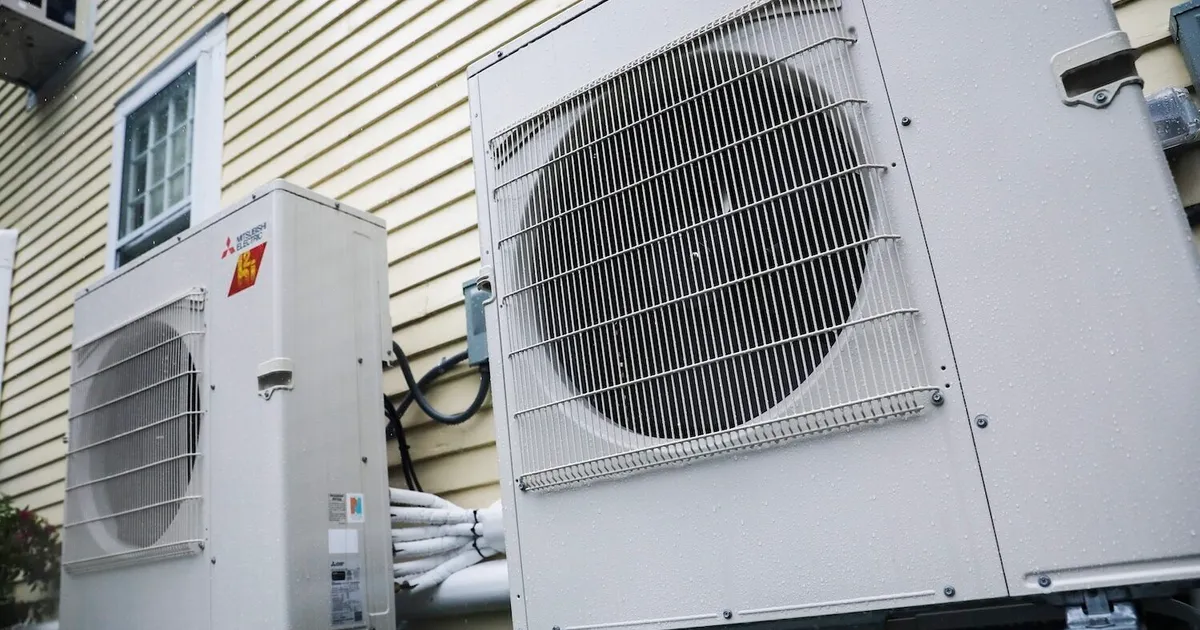
Heat pumps move heat rather than generate it, and they typically deliver several units of heating for each unit of electricity consumed. Widespread adoption in place of less efficient electric resistance systems would, in principle, reduce the electricity drawn during the coldest hours. That would ease pressure on generators and transmission lines when they are most strained. The full Canary Media article, available at its source link, should be consulted for the specific data and examples it offers on this point; the portion provided to The OmniWire does not include further figures.
For utilities, lower peak demand can mean deferred investment in new capacity and fewer emergency interventions. For households, more efficient heating can reduce bills and lower the risk of being left without heat. For equipment manufacturers and installers, Southern markets represent a sizable potential area of growth as older systems are replaced.
Outlook: Planning for the Next Cold Snap
The lesson drawn from Winter Storm Elliott is that reliability planning must account for winter extremes as well as summer heat. Regulators and utilities in North Carolina, Tennessee and neighboring states face decisions on resource planning, rate design and incentives that will influence how quickly heat pumps spread.
Key questions include whether programs will target the replacement of resistance heating, how installers and supply chains will scale, and how performance in extreme cold will be verified. Those issues will shape whether heat pumps deliver the grid benefits advocates describe. Investors and enterprise planners should watch utility resource plans and state-level efficiency programs for signals on how seriously the strategy is being pursued.
Canary Media's reporting suggests the outcome could matter well beyond the region. If Southern states can pair heating electrification with improved reliability, the model may inform grid planning in other markets facing similar seasonal stress.