Google Backs Quaise's Superhot Geothermal Bet in Oregon
Google will buy 50 megawatts of carbon-free power from Quaise Energy's first commercial project, testing superhot geothermal as a source for data centers.
EXECUTIVE BRIEF // KEY TAKEAWAYS
Google will buy 50 megawatts of carbon-free power from Quaise Energy's first commercial project, testing superhot geothermal as a source for data centers.
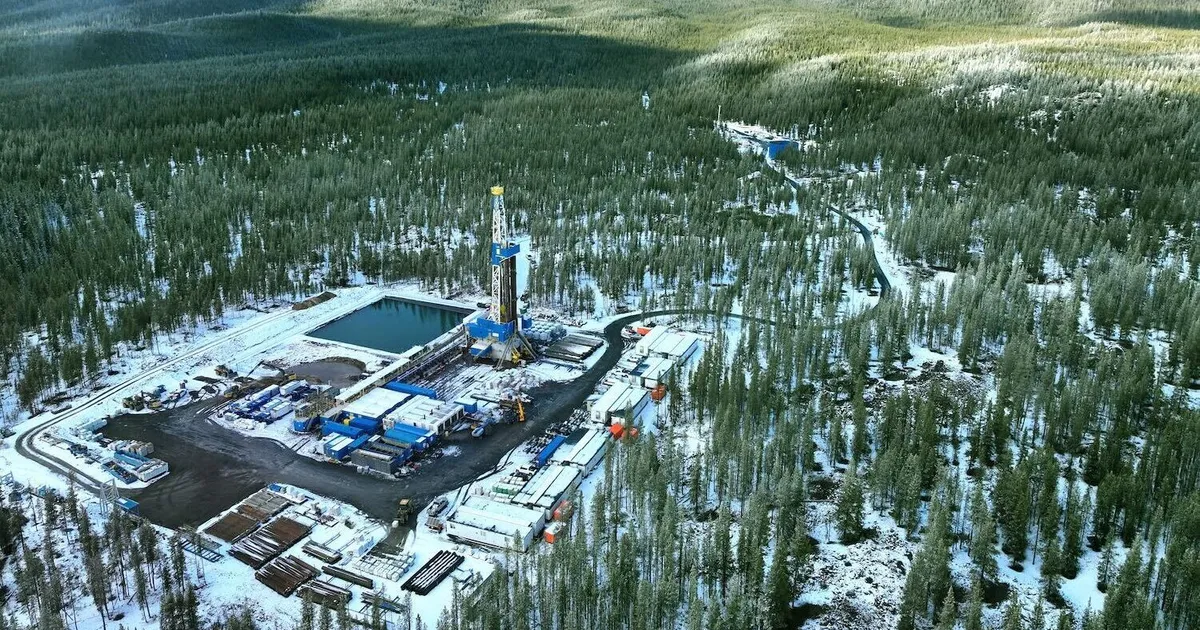
Quaise Energy, the Houston-based geothermal startup, has secured Google as the first customer for its superhot geothermal project in central Oregon, according to Canary Media. The company announced Tuesday that Google has agreed to buy 50 megawatts of carbon-free power from Project Obsidian, Quaise's first commercial project, located near the Newberry volcanic area. The agreement gives a novel technology its first anchor buyer and shows how large technology companies are looking beyond wind and solar for round-the-clock electricity.
The deal matters for global enterprise and capital markets because power supply has become a central constraint on data center expansion. Long-term offtake agreements from creditworthy buyers like Google are often a precondition for financing first-of-a-kind energy projects. A commitment of this kind can influence how investors price the risk of unproven generation technologies.
Background: A First Customer for a Novel Approach
Canary Media, the source of this report, describes Quaise as a geothermal startup pursuing a novel approach to superhot resources. Project Obsidian is the company's first commercial project, and the Google agreement makes the technology company its first announced customer. The source material provided to The OmniWire does not include direct quotations from executives at either company, and The OmniWire has not attributed any statements to them.
Geothermal energy has long been valued for producing electricity continuously, regardless of weather or time of day. That trait is attractive to operators of data centers, which run around the clock and have grown more power-hungry as demand for computing rises. Conventional geothermal development has been limited largely to places where hot water or steam sits near the surface. Superhot approaches aim to reach hotter rock at greater depth, which could widen the geographic reach and output potential of the resource.
Impact: Scale, Siting and Power Procurement
The disclosed figure is 50 megawatts of carbon-free power. For context, that is a modest amount compared with the gigawatt-scale demand that large data center campuses can generate, but it is meaningful for a first commercial project built with a technology that has not yet operated at scale. According to Canary Media, the project sits near the Newberry area of central Oregon, a region associated with volcanic geothermal potential.
For Google, the agreement adds a firm, carbon-free source to a procurement portfolio that has leaned heavily on intermittent renewables. For Quaise, a signed buyer provides revenue visibility that can support project financing and further drilling and engineering work. Financial terms, pricing, delivery dates and the specific data centers that would be served were not included in the material reviewed by The OmniWire, and they remain undisclosed in the source summary.
The arrangement also reflects a broader pattern in which technology companies act as early customers for emerging clean energy technologies, absorbing technical risk that utilities and conventional lenders may be reluctant to take on. Such agreements can accelerate commercialization, though they do not guarantee that projects will meet cost and performance targets.
Outlook: Technical and Regulatory Milestones
The principal test for Project Obsidian will be execution. Superhot geothermal requires drilling into extreme temperatures and pressures, and Quaise must demonstrate that it can do so reliably and economically before the 50 megawatts can be delivered. Observers will watch for construction timelines, drilling results and cost disclosures, none of which were specified in the source summary.
Regulatory steps will also shape the schedule. Geothermal projects typically require permitting, resource leasing and grid interconnection, and the Oregon location will place the project within the state's and the federal government's approval processes. The outcome will matter beyond one project: if Obsidian performs as planned, it could strengthen the case for superhot geothermal as a scalable option for powering digital infrastructure, and it could encourage additional offtake agreements from other large power buyers. If it stalls, it will underline the technical and financial hurdles that still stand between promising energy technology and commercial deployment.
The OmniWire will update this report as Quaise Energy or Google disclose further details on the agreement, the project schedule and the financing structure.


