FBI Probes National Crime Database Breach as Trump Cites Intrusion
Federal investigators are probing an apparent cyber intrusion into the FBI's NCIC system, raising severe concerns over law enforcement data integrity.
EXECUTIVE BRIEF // KEY TAKEAWAYS
Federal investigators are probing an apparent cyber intrusion into the FBI's NCIC system, raising severe concerns over law enforcement data integrity.
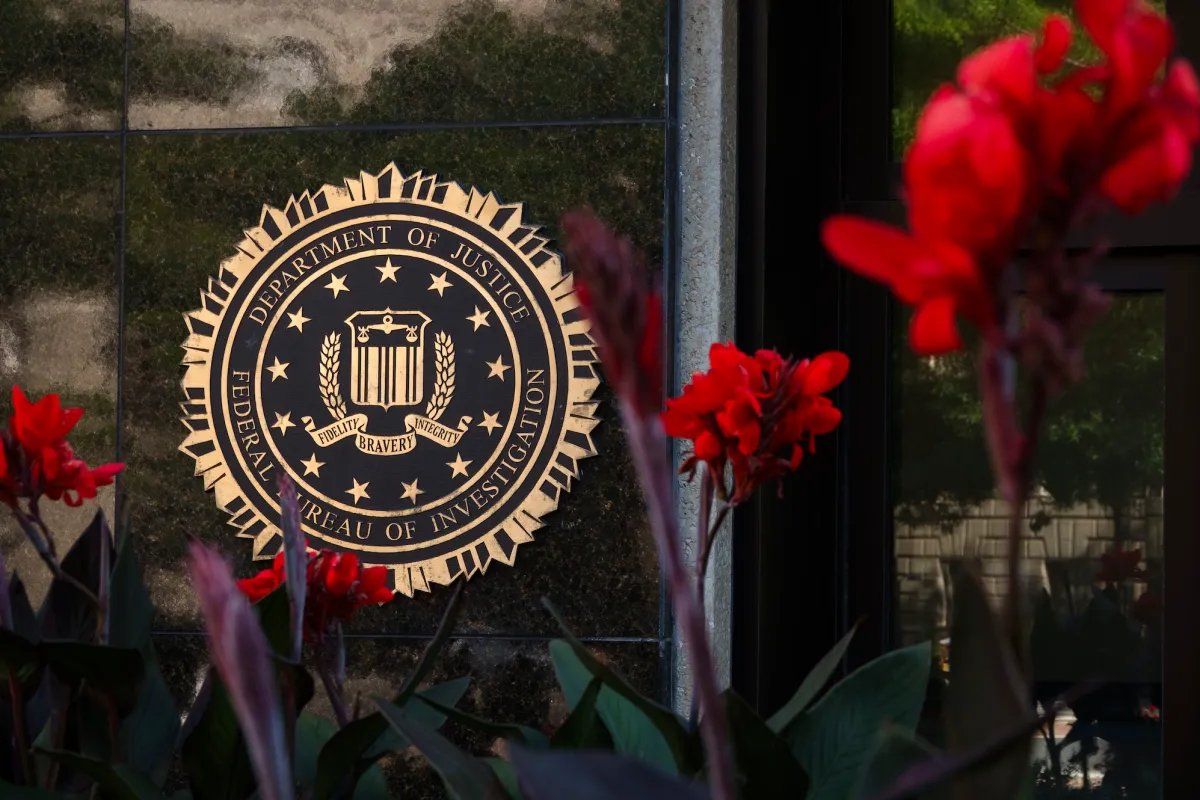
WASHINGTON — The Federal Bureau of Investigation is actively investigating an apparent cyberattack targeting the National Crime Information Center, the mission-critical repository relied upon by federal and local law enforcement agencies, according to reports published by CNN and the Associated Press and analyzed by TechCrunch. The intrusion strikes directly at the primary information-sharing network of American law enforcement, triggering immediate national security scrutiny and widespread concern across the domestic security establishment.
While unauthorized breaches of federal computer systems have frequently targeted confidential intellectual property, foreign policy cables, or personnel management files, an intrusion into the NCIC introduces systemic operational risks that transcend conventional data exfiltration. The central law enforcement database serves as an indispensable digital backbone for millions of routine transactions, ranging from active arrest warrant searches and stolen property logs to critical background checks. An unauthorized breach of this infrastructure threatens not merely the privacy of sensitive federal records, but the foundational operational trust required for daily police work, institutional governance, and public-sector data integrity nationwide.
Administrative Scrutiny and Executive Reactions
President Donald Trump addressed the reported intrusion during an interview Saturday with Fox News, acknowledging the initial briefing while expressing displeasure over the breach.
“We just heard about it and I will say that it’s not good,” Trump said. “Maybe we’ll learn things that we would have never learned otherwise because, you know, you had the Russia, Russia, Russia hoax.”
The full extent and scope of the breach do not yet appear to be clear, leaving federal cybersecurity teams to determine whether unauthorized actors achieved persistent access or merely probed network perimeters. Law enforcement veterans, however, have voiced immediate alarm regarding the integrity of the underlying records. Speaking to CNN, a former FBI official emphasized that the primary threat is not limited to espionage or intelligence harvesting.
“Whether hackers gained access to sensitive information, although that is an issue, but whether they could compromise the accuracy of the information that officers rely on,” the former official told CNN.
Operational Exposure and Data Tampering Risks
The operational ramifications surrounding the National Crime Information Center are severe due to the platform's central function in law enforcement field operations. The online database serves as the primary clearinghouse through which federal, state, and local agencies coordinate real-time data regarding outstanding warrants, criminal histories, missing persons, and critical background checks. In daily operations across the country, officers depend on the system during traffic encounters, suspect interdictions, and weapons permits verifications.
Should unauthorized actors possess the capability to manipulate, overwrite, or delete records within the database rather than simply view them, the downstream repercussions could compromise judicial proceedings and public safety. Corrupted files could lead officers to detain innocent citizens based on fraudulent warrants or, conversely, cause law enforcement to release dangerous suspects whose detainment orders have been covertly erased. Furthermore, enterprise compliance officers and regulated financial institutions rely indirectly on background check pipelines that feed from federal records, meaning any prolonged compromise of database fidelity carries broad secondary repercussions across corporate risk sectors.
Persistent Vulnerabilities and Strategic Outlook
This reported penetration follows an ongoing sequence of cyber incidents that have challenged the bureau's technological defenses. In September, the FBI reportedly told agents and support staff that their personal information had been stolen in a cyberattack, revealing that sophisticated adversaries have repeatedly targeted bureau-linked systems. The recurrent pressure on federal network perimeters highlights persistent security friction within complex government enterprise environments, even as federal agencies implement modern zero-trust security standards and multi-factor authentication mandates.
Moving forward, federal cyber investigators and congressional oversight panels will seek to establish the precise attack vector, assess whether data was altered or extracted, and identify whether the intrusion originated from a foreign state-sponsored advanced persistent threat or a financially motivated cyber syndicate. A crucial upcoming milestone will involve rigorous cryptographic auditing and hash validation of all NCIC database registries to certify that the information officers rely upon remains unaltered. Until federal authorities publish a formal forensic determination regarding the breach's scope, law enforcement personnel across all jurisdictions will be forced to operate with heightened caution regarding the accuracy of critical crime records.


