Democratic Sweep Reshapes US Energy Policy Outlook After Midterms
Democrats have captured both the House and Senate, triggering a major shift in federal energy oversight, clean power deployment, and AI grid planning.
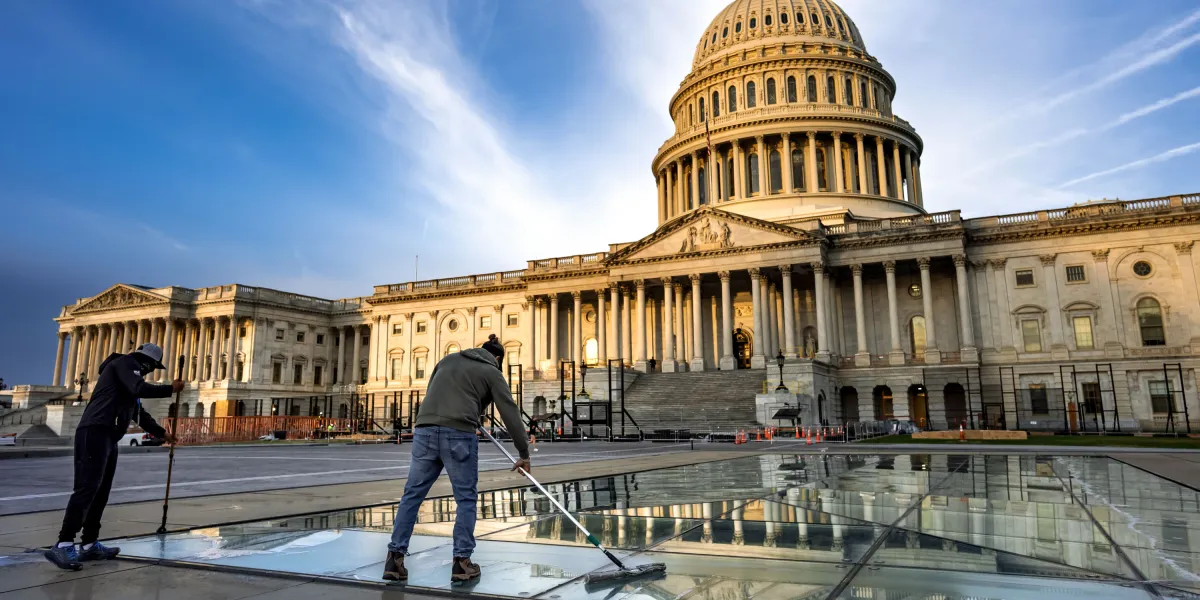
The United States political landscape underwent a decisive transformation following the midterm elections, as Democrats secured control of both the U.S. House of Representatives and the Senate. As reported by MIT Technology Review, the electoral results delivered a sweeping legislative shift two years after Donald Trump won the presidency, setting the stage for a divided federal government with profound implications for national energy policy and technological infrastructure.
For global enterprise leaders, energy developers, and artificial intelligence infrastructure planners, the shift in congressional control introduces a new regulatory equilibrium. While the executive branch retains significant authority over federal agencies and permitting processes, a Democratic-led Congress alters the trajectory of legislative appropriations, tax credit preservation, and oversight of energy transition initiatives that underpin the rapidly expanding data center and compute sectors.
Legislative Realignment and Policy Context
According to initial post-election analysis from MIT Technology Review, the early returns quickly indicated a broad Democratic wave across key congressional races. By capturing majorities in both chambers of Congress, Democratic lawmakers regain control of committee gavels, federal budget negotiations, and legislative scheduling, fundamentally changing the political dynamics that have governed Washington over the past two years.
This legislative realignment effectively halts the possibility of partisan legislative rollbacks targeting existing federal clean energy incentives through budget reconciliation. Instead, the incoming congressional majority is positioned to defend established decarbonization frameworks, scrutinize executive branch energy actions, and use appropriations bills to shape research and development funding across the Department of Energy and related federal bodies.
Operational Impact on Power Markets and AI Infrastructure
The convergence of federal energy policy and artificial intelligence infrastructure remains a primary concern for capital markets and hyperscale technology operators. As AI training clusters and inference data centers drive unprecedented growth in domestic electricity demand, utilities and independent power producers rely heavily on regulatory certainty to finance multi-billion-dollar generation and transmission projects.
Under a divided government, market analysts expect legislative gridlock on sweeping new partisan mandates, which paradoxically creates a more predictable baseline for existing tax structures. Key operational considerations for enterprise and energy stakeholders include:
First, the preservation of existing federal tax incentives for carbon-free electricity generation—including solar, wind, nuclear, and geothermal storage—provides continued financial certainty for power purchase agreements signed by major technology firms. Second, bipartisan pressure to address grid reliability and surging load growth could create narrow avenues for compromise on federal permitting reform and high-voltage interstate transmission siting. Third, heightened congressional oversight is expected to focus on how federal agencies manage fossil fuel leasing, grid interconnection queues, and environmental review timelines.
Strategic Outlook and Regulatory Hurdles
Looking ahead to the new congressional session, the tension between a Democratic legislature and the Trump administration will define the boundaries of U.S. energy strategy. With neither side able to pass unilateral legislation without compromise, policy momentum will largely shift toward administrative rulemaking, judicial review, and bilateral negotiations over must-pass spending packages.
For the technology and energy sectors, the immediate focus turns to how the incoming Congress will approach upcoming fiscal deadlines and whether lawmakers can forge a bipartisan framework to accelerate grid capacity expansion. As utilities race to meet the power requirements of next-generation industrial manufacturing and AI compute facilities, the interplay between congressional oversight and executive authority will remain the central determinant of American energy competitiveness over the next two years.