COP31 Climate Talks Open Amid Debate Over Cognitive Immortality
Global delegates convene in Antalya, Turkey, for COP31 climate negotiations as technologists examine the frontiers of cognitive immortality.
EXECUTIVE BRIEF // KEY TAKEAWAYS
Global delegates convene in Antalya, Turkey, for COP31 climate negotiations as technologists examine the frontiers of cognitive immortality.
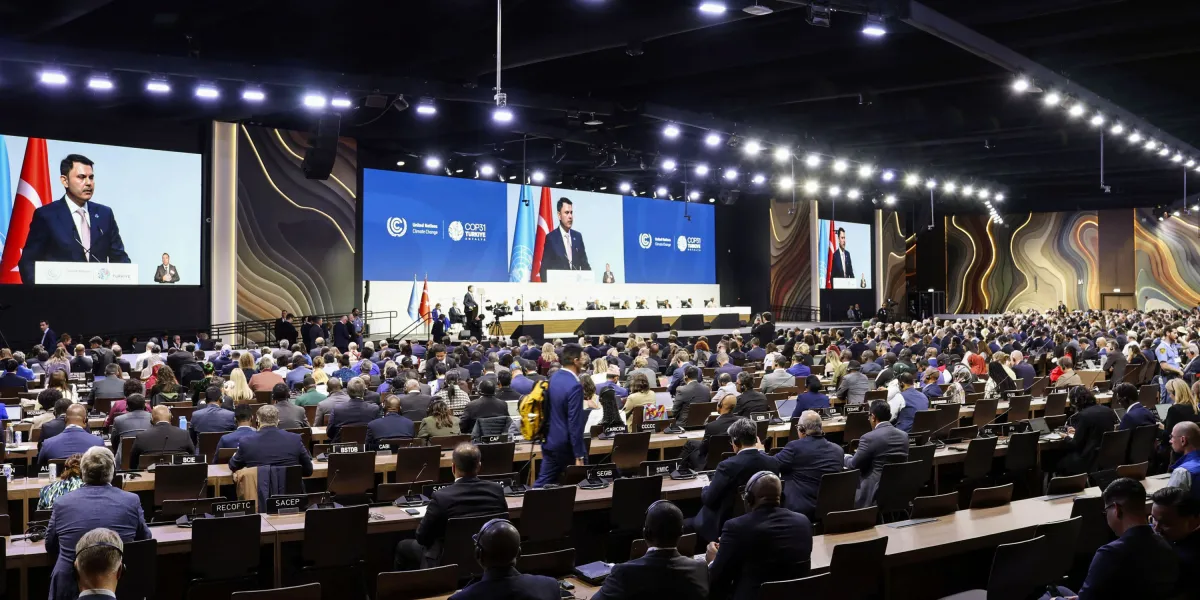
Thousands of international delegates, industry lobbyists, and journalists have convened in Antalya, Turkey, for the opening of COP31, the annual United Nations climate negotiations, according to reporting from MIT Technology Review. As policy leaders confront the mounting complexities of global decarbonization and climate adaptation, a parallel technological discourse highlighted in the publication's daily briefing examines the emerging pursuit of cognitive immortality. Together, these developments underscore a defining tension in the contemporary technology landscape: the urgent requirement to stabilize physical planetary systems alongside the ambition to extend human cognition through digital and computational architectures.
For global enterprises, institutional investors, and technology developers, the convergence of high-stakes climate diplomacy and advanced artificial intelligence research carries significant capital and operational implications. Decisions reached during the Antalya summit will influence regulatory frameworks governing clean energy deployment, industrial emissions reporting, and grid infrastructure investment, even as computational workloads driven by artificial intelligence and digital preservation research continue to expand their energy footprint across international markets.
Global Climate Negotiations in Antalya
The COP31 summit in Antalya brings together a broad coalition of national negotiators, corporate stakeholders, and civil society observers at a pivotal juncture for international climate governance. As detailed in MIT Technology Review's coverage of the proceedings, the annual United Nations gathering serves as the primary multilateral forum for evaluating national emissions pledges, structuring climate finance mechanisms, and addressing the logistical hurdles of transitioning away from fossil fuels.
The presence of thousands of delegates and industry representatives in Turkey reflects the intensifying intersection between state climate mandates and private-sector industrial strategy. Negotiators face persistent structural challenges in aligning divergent national energy priorities, verifying emissions reductions, and mobilizing capital for grid modernization and climate resilience across both developed and emerging economies. For technology and energy sectors alike, the policy signals emerging from Antalya are closely watched as indicators of future compliance obligations and cross-border carbon accounting standards.
Technological Ambitions and Cognitive Immortality
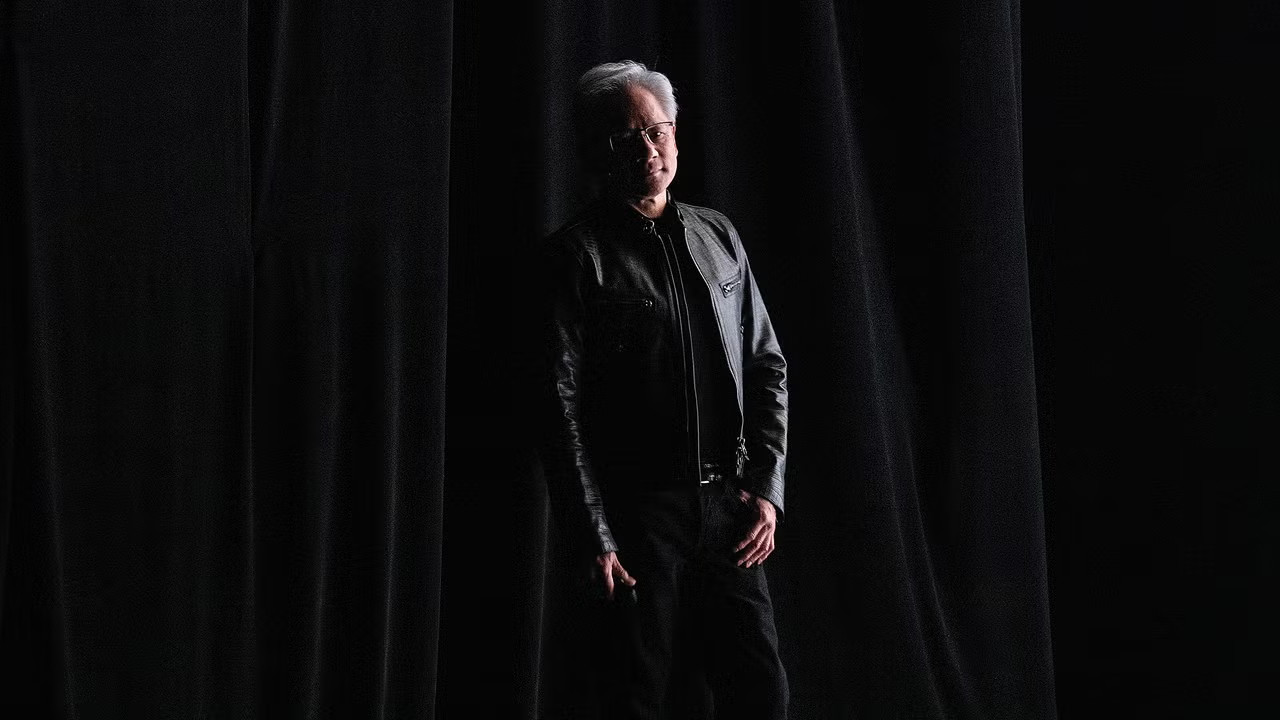
Alongside the geopolitical deliberations at COP31, MIT Technology Review highlights the ongoing technological and philosophical quest for cognitive immortality. Within the artificial intelligence and computational neuroscience communities, researchers and technologists are increasingly exploring methods to capture, model, and preserve human cognitive patterns, memories, and decision-making frameworks using advanced machine learning systems and digital data repositories.
While the prospect of preserving aspects of human cognition in digital form remains fraught with technical and ethical questions, the underlying technological drivers rely on advances in generative modeling, long-context neural architectures, and multimodal data synthesis. From an enterprise and infrastructure perspective, the expansion of high-capacity AI systems—whether deployed for scientific modeling, enterprise automation, or experimental cognitive preservation—requires substantial data center capacity, specialized semiconductor supply chains, and reliable baseload power. This computational demand directly intersects with the resource and emissions constraints currently under debate by energy policymakers and climate negotiators.
Strategic Outlook and Regulatory Horizons
Looking ahead, the dual trajectories examined by MIT Technology Review illustrate the widening scope of governance challenges facing global institutions. On the environmental front, the outcomes of the COP31 negotiations in Antalya will test the ability of multilateral diplomacy to deliver enforceable timelines and transparent financing frameworks amid complex macroeconomic conditions. Corporations operating across energy-intensive industries will need to calibrate their capital expenditure strategies to account for evolving sovereign climate commitments.
Simultaneously, as research into artificial intelligence and digital cognitive preservation advances, regulators and technology leaders will confront foundational questions regarding data ownership, identity verification, digital privacy, and the long-term sustainability of compute infrastructure. Balancing the physical imperatives of planetary decarbonization with the computational ambitions of the artificial intelligence era will remain a central strategic priority for policymakers and global enterprises alike.