Chery Unveils Mobile Energy Hub Strategy for Smart Cities
Chery Auto accelerates its Globalization 3.0 phase, deploying decentralized vehicle-to-grid ecosystems to turn electric fleets into mobile power reservoirs.
EXECUTIVE BRIEF // KEY TAKEAWAYS
Chery Auto accelerates its Globalization 3.0 phase, deploying decentralized vehicle-to-grid ecosystems to turn electric fleets into mobile power reservoirs.
WUHU, China — Chery Automobile Co. has unveiled a comprehensive smart energy ecosystem framework designed to transform electric vehicles into distributed mobile energy hubs, marking an aggressive transition into its “Globalization 3.0” strategic phase. Announced following the 2026 Chery International User Summit in Wuhu, the initiative outlines a synchronized deployment of vehicle-to-grid architectures, decentralized storage nodes, and intelligent charging corridors tailored to accelerating smart-city urban infrastructure worldwide. As municipalities confront strained power grids amid escalating peak energy demands, the automaker’s initiative bridges automotive manufacturing with urban utility management across emerging and developed international markets.
The rollout underscores a critical shift for global capital markets and clean technology sectors: the structural convergence of the automotive and power-generation industries. As global electric vehicle adoption accelerates, automotive original equipment manufacturers are transitioning from purely delivering rolling chassis to functioning as decentralized utility enablers. For municipal planners and institutional utility providers, Chery’s strategic roadmap illustrates how vehicle battery capacity can be mobilized to mitigate distribution congestion, balance fluctuating intermittent renewable loads, and create novel revenue mechanisms through grid-balancing ancillary services.
Decentralized Architecture and Globalization 3.0
Under its Globalization 3.0 mandate, Chery is shifting its international expansion model from traditional export distribution toward systemic infrastructure integration within destination markets. The strategy treats the automobile not as an isolated endpoint consumer of electricity, but as a dynamic, bidirectional battery asset capable of interacting in real time with metropolitan distribution systems.
According to technical disclosures documented by CleanTechnica following the summit, Chery’s multi-tier deployment addresses the acute infrastructure bottleneck facing mid-sized and megacity power grids:
“Entering the Globalization 3.0 phase, the company is deploying a mix of energy solutions to meet mobility energy needs around the world as electric vehicles integrate with power grids.”
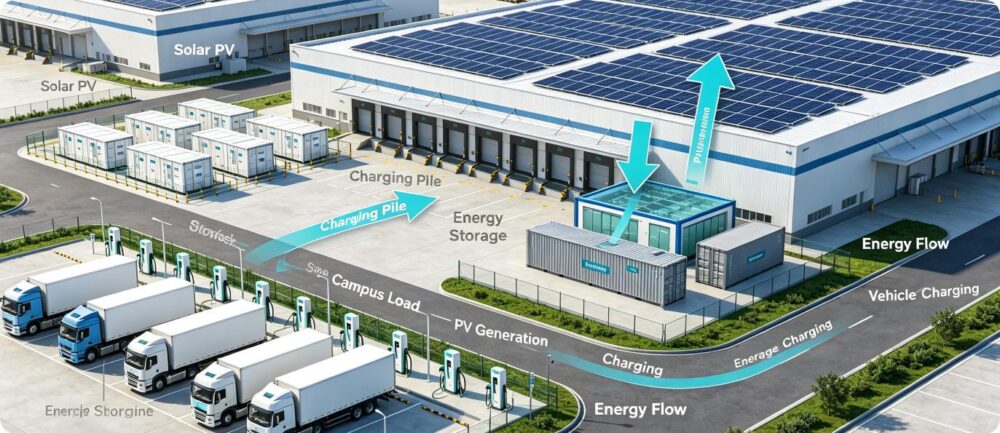
By synchronizing localized energy storage units, commercial fast-charging arrays, and bidirectional onboard power management, the ecosystem positions automotive storage as an elastic shock absorber for urban load balancing. This multidimensional approach responds directly to the intermittency of regional solar and wind installations, allowing stored kinetic and chemical reserves to feed municipal substations during peak evening hours while stabilizing localized microgrids.
Grid Integration Economics and Fleet Aggregation
From an operational perspective, the viability of mobile energy hubs hinges on bidirectional aggregation platforms known as Virtual Power Plants. When thousands of electric passenger and commercial vehicles are tethered to municipal charging networks, their collective storage represents dozens of megawatt-hours of dispatchable reserve power that can be mobilized without the environmental footprint of traditional peaker plants.
For commercial fleet operators and private vehicle owners, bidirectional vehicle-to-grid connectivity alters the total cost of ownership equation. Peak-to-off-peak electricity arbitrage allows vehicles to charge during surplus generation windows—when wholesale electricity rates approach baseline or negative pricing—and discharge back to municipal operators during supply deficits at premium tariff rates. This closed-loop monetization model transforms electric vehicles from depreciating capital equipment into yield-generating distributed assets. Furthermore, it cushions municipal grid operators from immediate capital-intensive substation overhauls, deferring substantial transmission upgrade expenditures.
Regulatory Harmonization and Global Infrastructure Hurdles
Despite the technological promise of mobile energy ecosystems, significant structural and regulatory friction remains across cross-border jurisdictions. The widespread adoption of bidirectional vehicle-to-grid architectures requires strict harmonization of communication protocols between vehicles, charging supply equipment, and transmission system operators. Interoperability standards such as ISO 15118-20 must achieve universal certification across diverse regional power grids that maintain disparate voltage tolerances, cybersecurity safeguards, and safety codes.
Moreover, utility regulatory bodies in target export markets across Europe, Southeast Asia, and Latin America must formalize tariff structures and compensation frameworks for residential distributed generation. Questions regarding battery cycle degradation under frequent cycling demand continuous advancements in cell chemistry, thermal regulation, and comprehensive warranty coverage from manufacturers. As Chery progresses through its Globalization 3.0 deployment milestones, navigating these disparate regional grid regulations and consumer protection mandates will dictate whether mobile energy ecosystems can achieve full-scale commercialization on the international stage.