Becerra Eyes Shift in California Climate, Utility Policies
Governor-elect Xavier Becerra prepares a California energy reset, prioritizing utility accountability, rate relief, and expanded grid equity programs.
EXECUTIVE BRIEF // KEY TAKEAWAYS
Governor-elect Xavier Becerra prepares a California energy reset, prioritizing utility accountability, rate relief, and expanded grid equity programs.
BERKELEY, Calif. — California Governor-elect Xavier Becerra is preparing a significant strategic pivot in state energy and climate policy, aiming to balance decarbonization goals with utility accountability and consumer affordability, according to clean energy specialists convened by industry publication Canary Media.
The executive transition marks a critical juncture for clean technology markets and grid management across the nation’s largest subnational economy. While outgoing Governor Gavin Newsom championed headline decarbonization targets, his fiscal policies and administrative handling of distributed energy resources drew sharp critique from leading policy architects and academic researchers.
Scrutiny Mounts Over Newsom’s Energy and Fiscal Record
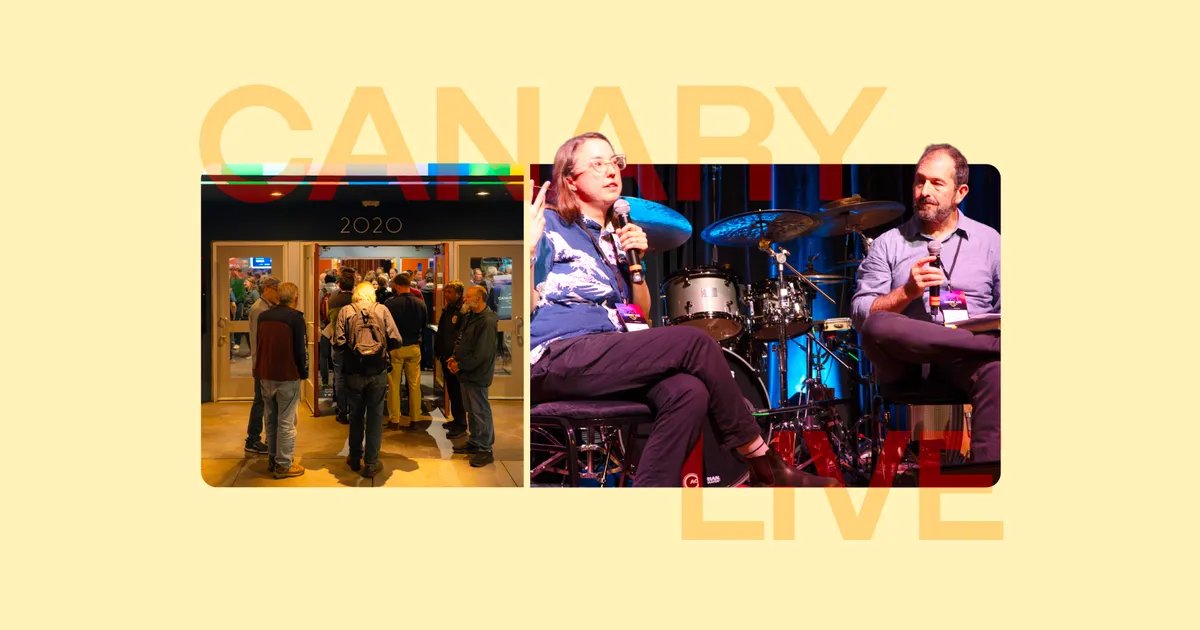
Contextualizing the state’s executive handoff, energy policy experts examined shortcomings in Newsom’s environmental justice and regulatory record during the fourth annual Canary Live Bay Area event at The Freight in downtown Berkeley, which gathered nearly 400 clean energy professionals.
Addressing the conference, Leah Stokes, the Anton Vonk Associate Professor of Environmental Politics at the University of California, Santa Barbara, offered an unsparing assessment of the outgoing administration. Stokes, an architect of the federal Inflation Reduction Act, author of "Short Circuiting Policy" and "The Carbon Wave," and writer of the Substack "Notes from the Electric Era," emphasized that state budget decisions under Newsom compromised community climate resilience.
Stokes cited Newsom’s decision to claw back nearly $200 million in state funding intended for public schools to upgrade heating, ventilation, air-conditioning, and plumbing systems. The funding clawback occurred as public classrooms faced extreme heat conditions, including recorded temperatures of 93 degrees Fahrenheit in Santa Barbara.
"Half a million kids were under extreme heat-modified days at the same time that Gov. Newsom gutted that program," Stokes said.
Distributed Energy and Grid Reliability Under Budget Pressures
Beyond public facility infrastructure, the financial viability of distributed energy programs represents an urgent operational challenge for California’s clean power transition. Specifically, the state’s premier virtual power plant initiative, the Demand Side Grid Support (DSGS) program, faces severe budgetary constraints stemming from executive negotiations.
Although Newsom enacted multiple legislative measures this year designed to leverage distributed energy resources in response to rising electricity costs, his administration repeatedly curtailed DSGS funding during state budget talks. These reductions leave the virtual power plant framework without sufficient capital reserves to issue performance payouts to participating resources by 2027 unless remedied by future executive or legislative action.
The impending funding shortfall carries immediate consequences for economic equity within the state’s electricity landscape. Stokes, who developed the Carbon Wave Calculator to help communities advance local climate solutions, pointed to empirical research showing that the DSGS framework delivers disproportionate financial and operational benefits to lower-income households across the Inland Empire and Central Valley regions.
Strategic Outlook and Becerra’s Policy Horizon
As Becerra prepares to assume the governorship, clean energy advocates anticipate an agenda prioritizing retail rate affordability, utility enforcement, and environmental justice. The transition unfolds against a reshaped national backdrop, following midterm elections that granted Democrats control of Congress and expanded executive authority across state legislatures and governors’ offices.
For energy developers and regulated utilities, Becerra’s prospective platform suggests a structural shift away from incumbent ratepayer burdens and toward distributed energy equity.
"I think that there’s more of a focus on affordability, on holding the utilities accountable, on delivering on environmental justice," Stokes said regarding the incoming administration. "I think that these are things that actually matter to Becerra."
A central pillar of Becerra’s proposed energy agenda is a free "Power Hour" initiative. Under the proposal, California ratepayers would receive zero-cost electricity during midday periods when abundant utility-scale solar generation floods the regional grid. The policy mechanism aims to incentivize demand response, mitigate wholesale solar curtailment, and provide immediate rate relief to consumers struggling with high electricity costs.
Resolving the projected 2027 payout deficit confronting the Demand Side Grid Support program and repairing public school climate infrastructure will serve as decisive initial tests for Becerra as California seeks to align rapid grid decarbonization with fiscal sustainability and consumer protection.


