Baltimore Retiree Goes All-Electric After Gas Leak
A Baltimore retiree transitions to an all-electric home for free via nonprofit retrofit, highlighting the intersection of health and decarbonization.
EXECUTIVE BRIEF // KEY TAKEAWAYS
A Baltimore retiree transitions to an all-electric home for free via nonprofit retrofit, highlighting the intersection of health and decarbonization.
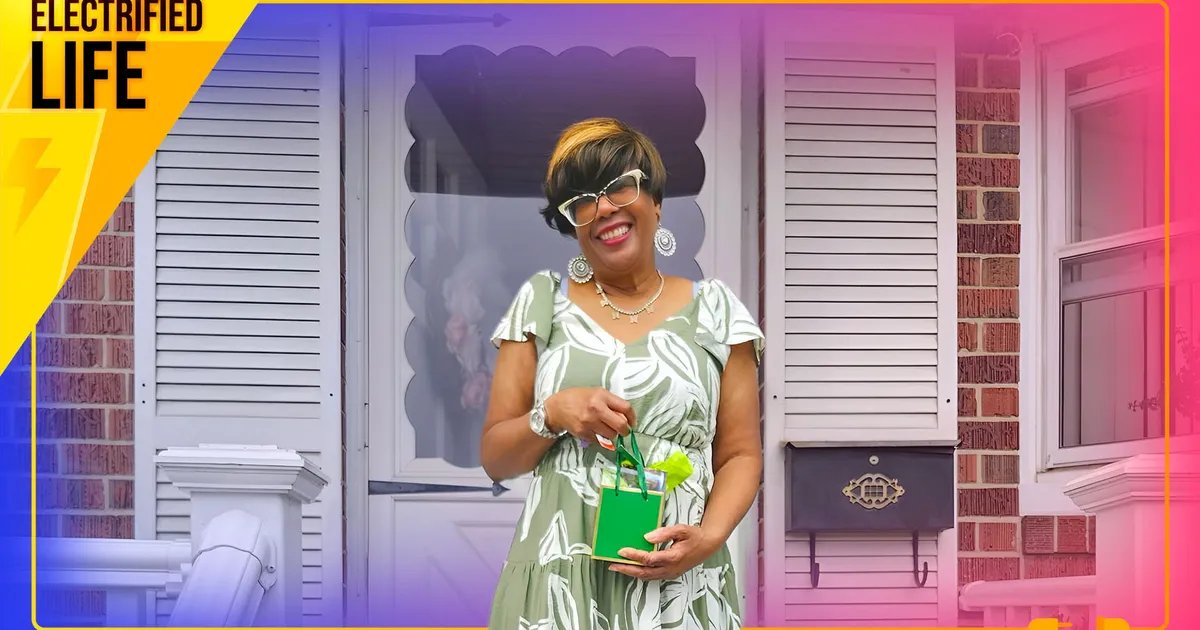
BALTIMORE — A severe gas furnace leak that forced a retired Baltimore educator and her daughter from their home has catalyzed a complete, zero-cost residential decarbonization retrofit, according to reporting by Canary Media. Sherry Frazier, a former public school educator who worked with students with disabilities, experienced acute carbon monoxide poisoning symptoms, including severe headaches and dizziness, before turning to local community organizations for assistance. Today, Frazier’s residence operates entirely on clean electricity, featuring upgraded appliances and a rooftop solar array installed at no personal expense through the intervention of the Baltimore-based public health nonprofit Green & Healthy Homes Initiative (GHHI).
This real-world electrification case study underscores a critical intersection between public health, aging national infrastructure, and the clean energy transition. As the United States housing stock reaches a historic median age of 44 years, older homes increasingly harbor environmental hazards, ranging from decaying roofs and lead paint to fossil-fueled appliances that emit noxious indoor pollutants. For low-income homeowners who lack the capital to independently finance weatherization, structural repairs, or appliance upgrades, these combined health and financial burdens remain acute. Decarbonization advocates emphasize that targeting vulnerable households is essential not only for achieving municipal and federal climate targets, but also for mitigating persistent health disparities linked to indoor air pollution.
Holistic Retrofits and Nonprofit Intervention
According to Canary Media, Frazier’s path to a fully electrified home began when she sought aid for a refrigerator replacement through a community organization, which subsequently referred her to GHHI. Founded in Baltimore to combat childhood lead poisoning, GHHI has since expanded its mandate to encompass comprehensive residential health and energy retrofits. Ruth Ann Norton, president and CEO of GHHI, noted during a July webinar that the organization quickly realized it had to approach housing holistically.
“We want to address the same things that we … originally saw in lead [pipes and paint], in carbon-emitting appliances and homes,” Norton said. “That is, the impairment that it causes for neurological development, for reproductive development, and for long-term health.”Before replacing fossil-fueled infrastructure such as water heaters, furnaces, clothes dryers, and stoves—which are linked to asthma, heart attacks, cancer, and carbon monoxide poisoning—GHHI addresses underlying structural vulnerabilities. For qualifying low-income residents, the nonprofit absorbs the total cost of these multifaceted interventions.
Funding Models and Economic Relief
The financial architecture supporting these extensive retrofits relies on a complex coalition of local, federal, and private funding sources. GHHI leverages public programs such as Maryland’s EmPOWER initiative and the U.S. Department of Housing and Urban Development’s Office of Lead Hazard Control and Healthy Housing, alongside philanthropic contributions and investments from healthcare and utility companies. For participants like Frazier, the operational results are immediate and measurable. “I feel a lot safer in the home [and] my utility bill for heat and air conditioning is much lower,” Frazier stated, describing the comprehensive modernization as an unexpected series of blessings that permanently removed the hazards of fossil-fueled appliances from her living space.
Strategic Implications for Capital Markets and Policy
The scalable success of organizations like GHHI highlights a vital framework for future clean energy deployment and policy design. As federal and state agencies allocate billions of dollars toward home energy rebates and disadvantaged community investments, integrating structural repairs with beneficial electrification will dictate the speed and equity of the residential transition. Market analysts note that unless foundational housing deterioration is resolved concurrently with clean technology installations, low-income populations risk missing out on the macroeconomic and health benefits of decarbonization. Moving forward, policymakers must streamline funding mechanisms between public health budgets and utility-backed energy efficiency programs to replicate these holistic retrofits nationwide, ensuring that the transition to a low-carbon economy prioritizes the most vulnerable residential consumers.


