Astronauts Track Lightning From Orbit Aboard the Space Station
NASA's Earth Observatory highlights lightning as a signature sight from the ISS, underscoring the value of orbital vantage points for storm science.
EXECUTIVE BRIEF // KEY TAKEAWAYS
NASA's Earth Observatory highlights lightning as a signature sight from the ISS, underscoring the value of orbital vantage points for storm science.
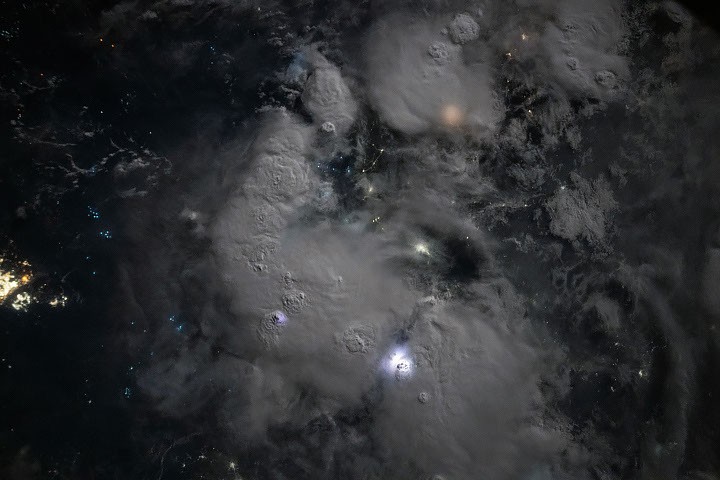
For many astronauts, the spectacular sight of lightning stands out when they look back at Earth from the International Space Station, according to NASA News Releases and its Earth Observatory feature titled "Tossing Fireworks from Cloud to Cloud." The observation, published by the U.S. space agency, points to a vantage point that few instruments or people can match: a continuous, high-altitude view of thunderstorms as they develop across oceans and continents.
The source material is brief. It describes lightning as a standout visual for crew members aboard the orbiting laboratory, and it frames the phenomenon through the metaphor of fireworks passing between clouds. NASA did not provide additional figures, named crew members or quotations in the cable summary supplied to The OmniWire, and this report is limited to what the agency has disclosed.
The topic matters beyond its visual appeal. Lightning is both a hazard and a diagnostic signal for severe weather, and observations from orbit sit within a wider ecosystem of Earth-monitoring capabilities that governments, insurers, utilities, aviation operators and logistics firms rely on to manage risk. Any public emphasis by NASA on the space station as an Earth-observing platform reinforces the commercial and scientific case for sustained low Earth orbit presence.
Context and Background
NASA's Earth Observatory is the agency's public outreach channel for satellite imagery and science storytelling about the planet. Its publications typically translate observations from orbit into accessible narratives about weather, climate, land use and natural hazards. The article cited here follows that tradition by focusing on a human perspective: what astronauts notice when they look down at the planet from the International Space Station.
According to the summary provided by NASA, lightning is among the sights that many astronauts find most memorable. The agency's framing suggests that the station's crew serve not only as operators of an orbital laboratory but also as observers whose experiences complement automated sensors. The source does not attribute specific statements to individual astronauts, and The OmniWire has not independently verified any further details.
The station orbits Earth at low altitude relative to other spacecraft, which allows crews to view storm systems at a scale and angle that differ from ground-based observation. That geometry is a recurring theme in NASA's communications about the platform, though the cable does not elaborate on technical specifications of any lightning-related instruments or imagery.
Operational and Technological Impact
The immediate operational significance of the NASA feature is interpretive rather than quantitative. The source material contains no figures on flash rates, storm counts, sensor performance or mission costs, and The OmniWire will not infer them. What the disclosure does establish is that lightning remains a prominent subject of attention for those living and working on the station.
For enterprise and technology audiences, the relevance lies in how orbital observation is used. Lightning data feeds weather forecasting, aviation routing, power grid planning and emergency preparedness. Organizations that depend on those functions have an interest in continued access to space-based observation, whether through government platforms such as the space station or through commercial and national satellite networks. NASA's emphasis on the visual power of lightning from orbit helps communicate that value to the public and to policymakers who fund such programs.
The feature also illustrates the role of public science communication in sustaining support for crewed spaceflight. Imagery and first-person observations make abstract research objectives more tangible, which can matter during budget deliberations and international partnership discussions. The source, however, does not link the article to any specific funding decision or program change.
Outlook
The NASA release does not announce new missions, instruments or policy actions, so forward-looking conclusions must be drawn cautiously. The more durable implication is that Earth observation from the International Space Station continues to occupy a visible place in NASA's public messaging, even as the broader sector considers how low Earth orbit activity will evolve and how commercial operators may take on larger roles.
Observers in government and industry will likely watch for further Earth Observatory publications and any accompanying data releases that quantify lightning activity or tie crew observations to measurable scientific outcomes. Until the agency provides such detail, the feature stands as a qualitative reminder of what orbital vantage points offer: a direct view of atmospheric processes that shape weather, infrastructure resilience and risk management on the ground.
Readers seeking the full account can consult the original NASA publication at science.nasa.gov. The OmniWire will update this report if the agency issues additional details, named sources or supporting data.