Apple Faces $162M Patent Suit in India Over NameDrop Feature
GG Technologies files a 781-page complaint in Mumbai seeking $162M and import curbs against Apple's iPhones and watches over tap-to-share patent infringement.
EXECUTIVE BRIEF // KEY TAKEAWAYS
GG Technologies files a 781-page complaint in Mumbai seeking $162M and import curbs against Apple's iPhones and watches over tap-to-share patent infringement.
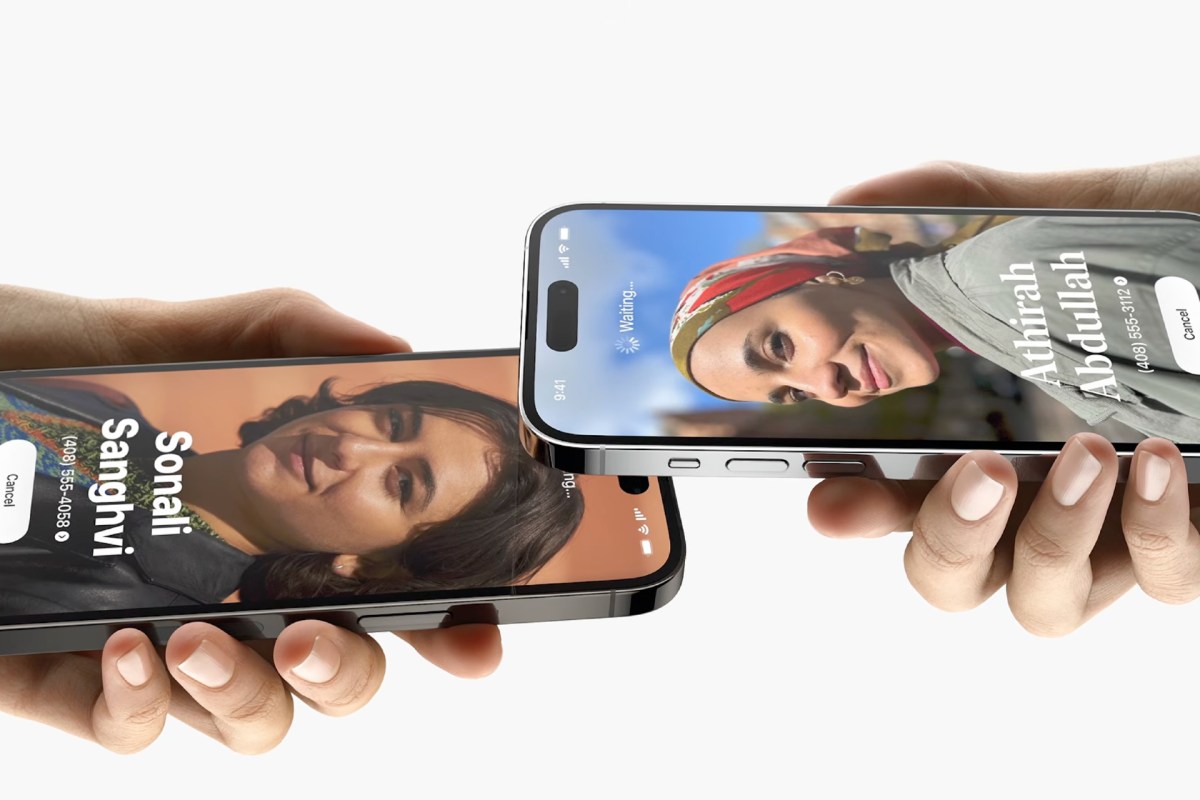
MUMBAI — Santa Monica-based technology startup GG Technologies has filed a ₹15 billion (approximately $161.86 million) patent infringement lawsuit against Apple Inc. in the Bombay High Court, seeking an injunction to halt the importation and domestic distribution of iPhones and Apple Watches equipped with the Cupertino company’s proprietary NameDrop feature, court documents reviewed by TechCrunch reveal. The 781-page complaint accuses Apple of infringing an Indian patent covering automated data-sharing mechanisms that power GG Technologies’ flagship StayTouch application.
The high-stakes legal confrontation strikes at a pivotal operational juncture for Apple across global enterprise and capital markets. As the consumer hardware giant aggressively scales localized manufacturing in India to reduce dependence on mainland Chinese supply chains, an adverse court ruling in Mumbai could disrupt critical hardware pipelines in an emerging economic powerhouse where iPhones still account for less than 10 percent of smartphone shipments, leaving substantial room for commercial expansion.
Cross-Border Legal Offensive and Mediation Breakdown
The litigation follows months of private statutory negotiations that failed to yield an amicable settlement. Under Indian civil jurisprudence, commercial disputes are generally subject to pre-institution mediation before formal docketing. GG Technologies initiated mediation proceedings with Apple in April, but the discussions formally collapsed in September, prompting the startup to file its commercial suit in October. The dispute in India mirrors an ongoing parallel offensive in the United States, where GG Technologies sued Apple in April over related patent claims.
The American confrontation escalated in August when the U.S. International Trade Commission instituted an official investigation into Apple's alleged patent infringement based on a formal complaint filed by the startup. In both international jurisdictions, GG Technologies is pursuing sweeping exclusion remedies aimed at curbing device distribution.
“We are seeking an injunction to restrict the usage of the NameDrop feature which is native to iOS,” GG Technologies told TechCrunch.
GG Technologies was established in 2018 by Gaurav Goel, a graduate of the Indian Institute of Technology (IIT) Delhi and a former investment banker at Goldman Sachs. Goel created StayTouch as a digital replacement for traditional business card exchanges, launching the application on iOS and Android platforms in 2019. That same year, the company sought patent protection in the United States. It subsequently submitted an Indian patent application in 2021 and was granted the patent in July 2024.
Technological Claims and Commercial Impact
At the center of the Indian court filing is the technical architecture enabling proximate hardware to exchange contact details without manual pairing protocols. GG Technologies asserts that Apple’s NameDrop directly infringes upon the claims granted in its July 2024 Indian patent. Apple originally announced NameDrop in June 2023 as a core enhancement within iOS 17, rolling out the capability to iPhones later that year before extending functionality to compatible Apple Watch units via watchOS 10.1 in October.
In its filing, GG Technologies asked the Bombay High Court to prohibit Apple from marketing, selling, or importing any iPhone or Apple Watch models preloaded with the NameDrop feature in India. If granted, the injunction would represent an unprecedented commercial barrier for Apple's expanding retail network in the country, where the company has recently opened flagship retail outlets and expanded domestic partnerships.
Outlook and Forthcoming Milestones
The legal proceedings in the Bombay High Court have yet to be scheduled for an initial hearing, leaving the immediate timing of preliminary motions and injunctive hearings undetermined. Apple did not respond to requests for comment regarding the Indian litigation or the claims pending before the U.S. International Trade Commission.
The dual proceedings in Mumbai and Washington represent a critical test of intellectual property rights for independent software developers confronting dominant consumer platform operators. While the U.S. International Trade Commission weighs potential import bans and domestic marketing restrictions, the Indian judiciary's handling of the 781-page filing will signal how strictly emerging tech hubs enforce domestic patents against multinational technology leaders.


