Apple iPhone Duo Usability Refined Through Key System Configurations
Navigating Apple's foldable iPhone Duo requires specific software adjustments to Touch ID, dynamic volume controls, and camera workflows for daily efficiency.
EXECUTIVE BRIEF // KEY TAKEAWAYS
Navigating Apple's foldable iPhone Duo requires specific software adjustments to Touch ID, dynamic volume controls, and camera workflows for daily efficiency.
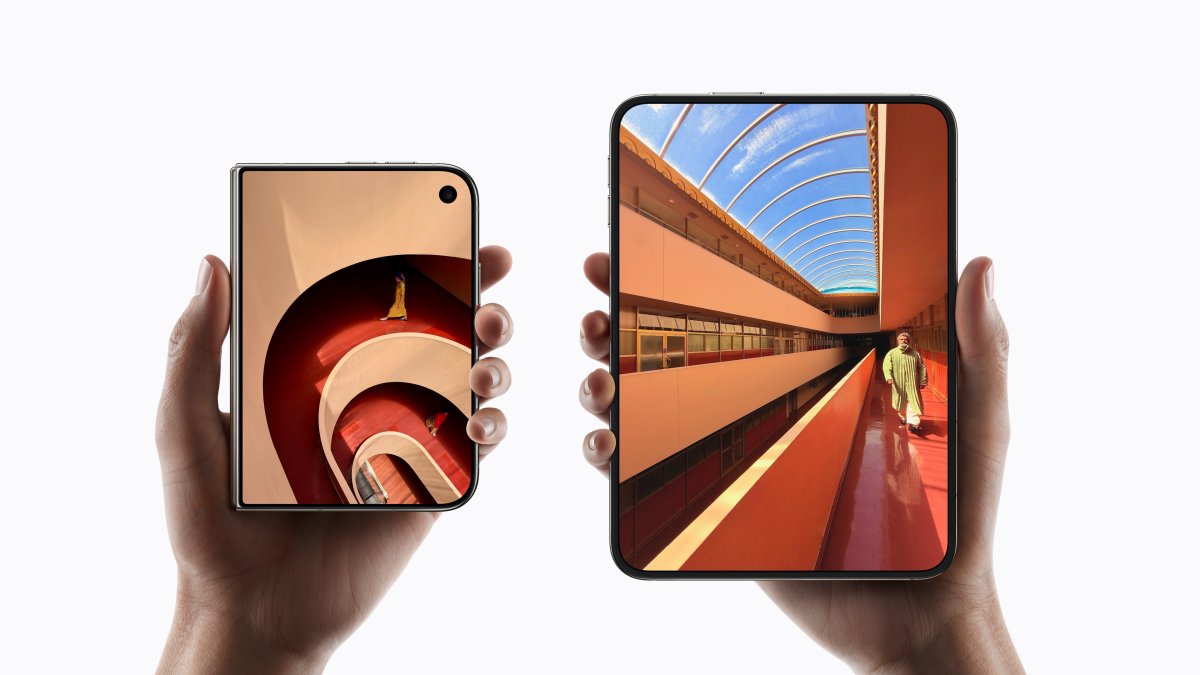
The rollout of the iPhone Duo has prompted a comprehensive review of iOS system configurations as users and enterprise adopters adapt to Apple's dual-display hardware architecture. According to reporting by TechCrunch, optimizing the foldable handset for daily operation hinges on nine specific system settings that govern biometric authentication shortcuts, orientation-aware volume controls, and specialized camera capture modes. While the device introduces significant form-factor shifts to the mobile hardware ecosystem, its out-of-the-box software defaults leave several ergonomic and workflow efficiencies unconfigured, requiring manual intervention from users to unlock the hardware's full operational potential.
For the broader consumer electronics sector and enterprise mobility managers, the spotlight on user-configured tweaks highlights a critical inflection point in foldable smartphone maturity. As hardware manufacturers transition from experimental hinges to mainstream commercial deployments, the burden of usability increasingly shifts from physical industrial design to operating system adaptability. How effectively users can navigate dual-screen states, biometric sensors, and spatial orientation directly dictates productivity gains and long-term consumer retention within the premium smartphone tier.
Biometric Ergonomics and Dynamic Hardware Controls
A primary focus of the usability adjustments identified by TechCrunch centers on the physical interaction model of a foldable chassis, specifically regarding Touch ID shortcuts and adaptive volume button behavior. Unlike traditional rigid-slate smartphones where finger placement relative to buttons remains static, a foldable device changes its physical geometry depending on whether the chassis is folded shut, partially flexed, or fully extended. Integrating Touch ID into this variable hardware footprint enables rapid authentication, but also allows users to bind secondary system shortcuts to the biometric sensor to minimize hand gymnastics across wider screen real estate.
Similarly, standardizing volume button logic presents a persistent human-interface challenge for multi-posture devices. When a user rotates or unfolds the iPhone Duo, the physical top and bottom orientation of the volume rockers can invert relative to the user's grip and visual display. Enabling smarter, orientation-aware volume controls ensures that button presses correspond intuitively to on-screen audio adjustments regardless of how the device is held. By remapping hardware inputs dynamically based on gyroscope and hinge-angle telemetry, the operating system prevents input friction during transitions between compact handset mode and expanded tablet postures.
Camera Workflows and Multi-Posture Optimization
Beyond basic navigation and audio controls, the foldable form factor fundamentally alters mobile photography and media capture workflows. TechCrunch highlights specific camera tricks embedded within the system settings that take advantage of the iPhone Duo's dual-display mechanics and articulating hinge. In a foldable configuration, the rear primary camera array can double as a high-resolution front-facing sensor when the exterior display is utilized as a viewfinder, while partially folded postures allow the device to act as its own tripod for stabilized capture.
Configuring these camera settings reduces the steps required to switch viewfinders, trigger shutters hands-free, or frame subjects across split displays. From a software engineering perspective, these tweaks demonstrate how foldable interfaces must bridge hardware capabilities with context-aware software states. Rather than treating the device as a standard smartphone with a larger screen, the system configurations allow the operating system to anticipate user intent based on posture, streamlining multitasking, split-screen application pairing, and rapid media capture without navigating deep menu hierarchies.
Strategic Outlook for Foldable Software Ecosystems
The necessity for users to manually adjust nine separate settings on the iPhone Duo underscores an ongoing design debate within the mobile industry regarding default system behaviors versus power-user customization. As foldable devices move deeper into enterprise workflows and mainstream consumer hands, software ergonomics will remain a primary differentiator for hardware OEMs. Future iterations of Apple's mobile operating system are expected to automate many of these posture-dependent transitions, utilizing machine learning to predict grip orientation and preferred display states without manual configuration.
In the near term, user education around features like Touch ID shortcuts, dynamic volume mapping, and foldable camera modes will play a decisive role in reducing onboarding friction. For software developers and IT administrators deploying dual-screen hardware, understanding how native system tweaks govern physical inputs provides a clear blueprint for designing next-generation responsive applications that adapt seamlessly to multi-state mobile hardware.