Allstate Tech Outage Paralyzes Services Ahead of Holiday Travel
A multi-day system outage at Allstate locks policyholders out of claims and accounts ahead of Thanksgiving, exposing the fragility of legacy tech upgrades.
EXECUTIVE BRIEF // KEY TAKEAWAYS
A multi-day system outage at Allstate locks policyholders out of claims and accounts ahead of Thanksgiving, exposing the fragility of legacy tech upgrades.
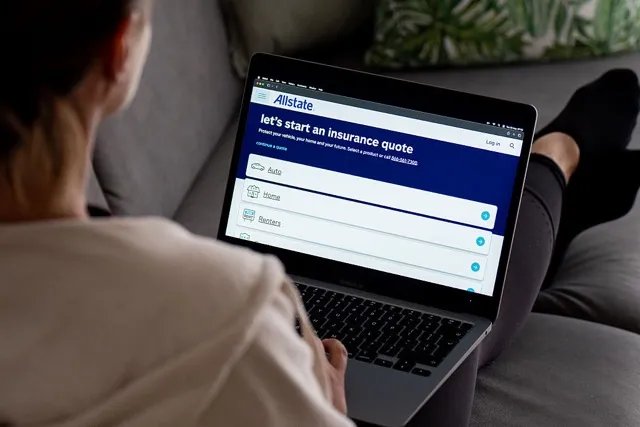
U.S. insurance underwriter Allstate has entered its third consecutive day of widespread technical failure, leaving policyholders nationwide locked out of essential digital accounts and self-service portals on the eve of the peak Thanksgiving holiday travel window. The disruption, which began Monday morning and incapacitated the carrier's primary website and mobile application, has disabled critical services including electronic claims submission, roadside assistance access, digital policy reviews, and premium payment processing.
The collapse of Allstate's consumer-facing digital touchpoints carries immediate operational implications across the domestic property and casualty sector, demonstrating the acute operational fragility facing financial institutions as they navigate complex legacy infrastructure modernizations. With millions of motorists preparing for holiday travel amid anticipated increases in automotive accidents, prolonged systemic downtime during a mission-critical period tests organizational resilience and exacerbates liability exposure across the enterprise.
Contextual Background and Institutional Restructuring
According to crowdsourced tracking platform Downdetector, service interruptions began escalating early Monday morning, crippling core functionalities across both mobile and desktop channels. In the absence of functional digital portals, independent local insurance agents have shouldered the operational burden, fielding a surge of telephone inquiries and direct correspondence from affected policyholders seeking verification of coverage and assistance with basic account administration, TechCrunch reported Wednesday.
The widespread technical breakdown follows recent reports indicating that Allstate has contemplated laying off up to 10 percent of its workforce as part of an efficiency drive centered on artificial intelligence. While the carrier has not officially confirmed those workforce reductions, the timing of the disruption has amplified broader industry scrutiny surrounding operational support readiness.
"The disruption comes at a particularly bad time for the insurance giant, as millions of Americans prepare to travel for the Thanksgiving holiday weekend."
Allstate has not yet released a formal public statement detailing the technical root cause of the breakdown or providing an expected restoration timetable. The company did not immediately respond to requests for comment regarding the ongoing incident.
Systemic Upgrades and Infrastructure Strains
The operational crisis at Allstate represents the latest in a wave of technology disruptions affecting critical consumer and enterprise utilities, following recent service interruptions across Microsoft Outlook and Teams, major commercial airlines, Apple Pay, and several retail banking platforms. Federal authorities have addressed the broader operational trend, with Trump Administration officials stating that the recent disruptions across national infrastructure are not the result of malicious cyberattacks, but rather stem from software upgrade cycles executed across systems reliant on older legacy technology.
Regulatory and enterprise officials note that aging corporate architectures require more frequent software adjustments and vulnerability mitigations, as emerging artificial intelligence tools make identifying architectural security gaps faster and more efficient. Consequently, organizations face increasing pressure to deploy accelerated code updates and system fixes across foundational platforms that were not originally designed for rapid, continuous integration.
When these modernization updates intersect with high-demand operational periods, systemic failures severely impair service continuity. For an auto insurance giant, losing digital roadside assistance and instant loss-reporting capabilities during Thanksgiving travel compounds the strain on policyholders and field agents alike, preventing timely intervention precisely when claims volume spikes.
Strategic Implications and Modernization Risks
The prolonged outage highlights broader strategic governance challenges confronting enterprise financial services and capital markets. As traditional insurers automate client services and evaluate headcount reductions to capture operational efficiencies, the margin for error in core system stability narrows significantly.
The convergence of legacy system vulnerabilities, automated penetration testing tools, and rigorous digital patching schedules will likely force executive leadership and corporate risk committees to reassess deployment safety protocols. Moving forward, institutional insurers face intensifying expectations from regulators and commercial clients to implement robust redundancy frameworks, ensuring that accelerated technological transitions do not compromise vital consumer safety nets during high-volume periods.


